
North Korean cyber operations are crossing a significant threshold into commercial ransomware markets, demonstrating an intensified focus on direct financial gains. Recent intelligence from Symantec and Carbon Black Threat Hunter Team reveals the notorious state-backed Lazarus Group has begun deploying Medusa ransomware against targets in the Middle East while simultaneously attempting to breach healthcare organizations in the United States.
While the US healthcare intrusion attempt reportedly failed, the incident confirms that state-sponsored actors are increasingly leveraging established cybercrime-as-a-service tools to evade traditional attribution and defense mechanisms.
Understanding the Medusa Connection
Medusa ransomware operates as a Ransomware-as-a-Service (RaaS) platform where affiliates deploy the malware in exchange for a cut of ransom payments. Since its emergence in 2023, the Medusa operation has been linked to over 300 successful attacks, including high-profile victims like Comcast and NASCAR.
By partnering with Medusa, Lazarus gains access to an existing criminal infrastructure that effectively masks their state-sponsored origins behind the facade of common cybercriminal activity. This deliberate obfuscation makes attribution significantly more challenging for cybersecurity researchers and law enforcement agencies.
Multi-Stage Attack Chain
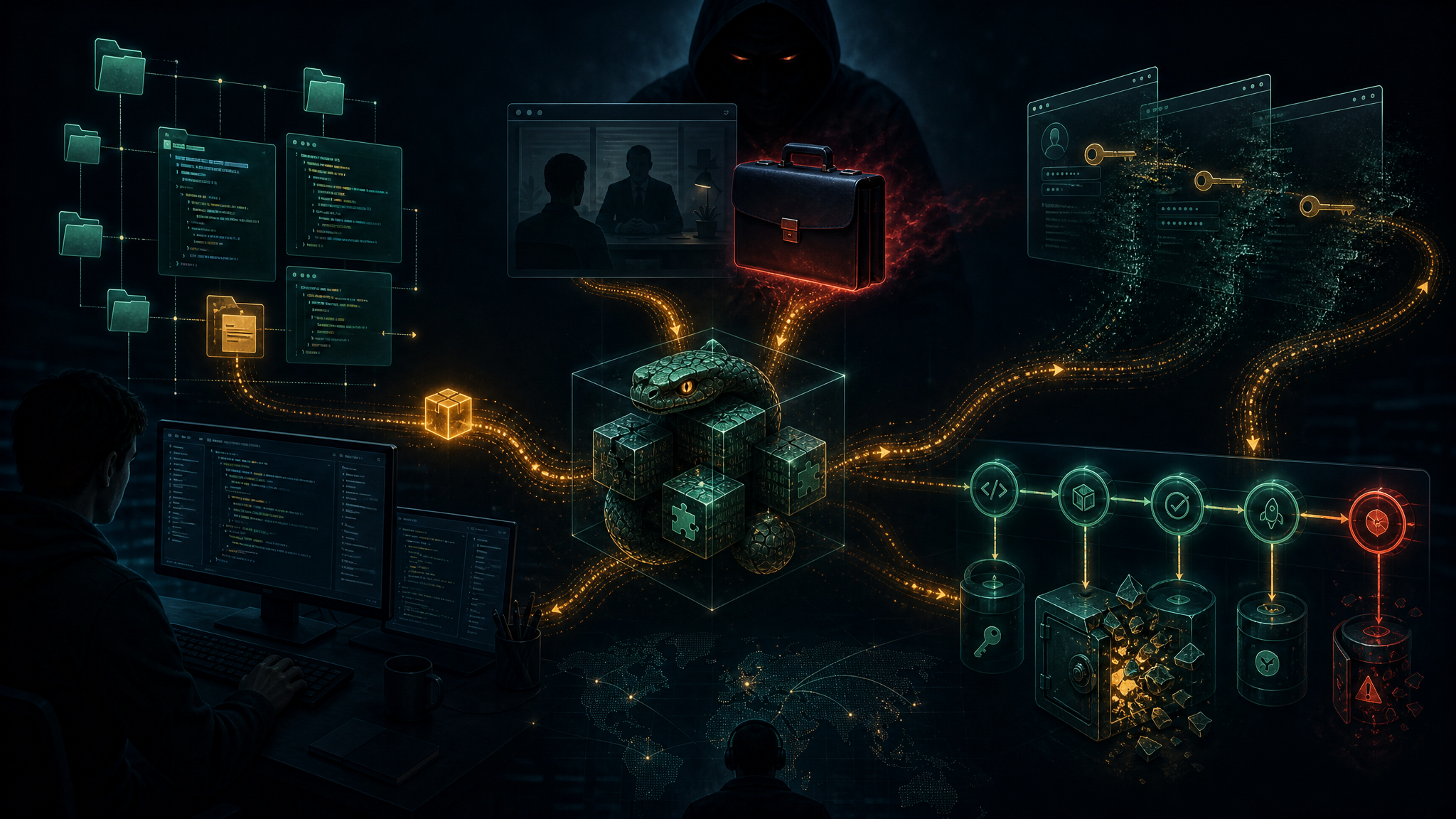
According to Symantec’s analysis, Lazarus Group attacks follow a sophisticated multi-stage process, with Medusa ransomware deployed only at the final stage of the intrusion. The attack chain includes:
- Security Neutralization: Specialized toolkits dismantle local security protections
- Persistent Access: Custom backdoors including Blindingcan and Comebacker trojans maintain network presence
- Credential Theft: Tools like ChromeStealer and Mimikatz harvest passwords and authentication tokens
- Data Staging: A tool called Infohook scans for and stages sensitive data for exfiltration
- Covert Exfiltration: RP_Proxy routes traffic internally while Curl transfers files to attacker-controlled servers
By the time Medusa ransomware finally executes, attackers already possess complete network control and have extracted the most valuable data assets.
Vulnerable Institutions Under Siege
Target analysis reveals a disturbing focus on organizations providing essential social services. Recent Medusa leak site entries have included US victims such as:
- A mental health non-profit organization
- A school supporting children with autism
Average ransom demands hover around $260,000 — a calculated figure high enough for substantial profit yet low enough that desperate organizations might consider payment to restore critical services.
Historical Pattern of State-Criminal Collaboration
This development continues a troubling pattern. In October 2024, another North Korean threat actor group, Jumpy Pisces (also tracked as Onyx Sleet and Andariel), collaborated with the Play ransomware group for cyberattacks. That operation utilized the open-source Sliver framework alongside custom DTrack malware for lateral movement and persistence.
Strategic Implications
As Jason Soroko, Senior Fellow at Sectigo, observes: “Striking facilities dedicated to mental health and autistic children demonstrate that these actors prioritize maximum emotional leverage to ensure swift ransom payments. The relatively modest average ransom demand suggests a volume-based approach where threat actors target chronically underfunded sectors that simply cannot afford prolonged operational downtime.“
This evolution signals that the traditional divide between state-sponsored espionage and street-level extortion is rapidly dissolving. When a group like Lazarus adopts commercial ransomware, they bring national government resources to bear against local institutions that never anticipated becoming targets of international cyber warfare.
Defensive Recommendations
- Implement robust endpoint detection and response (EDR) solutions capable of identifying known Lazarus tooling
- Monitor for indicators of Blindingcan, Comebacker, and Infohook malware
- Enforce multi-factor authentication across all systems
- Segment networks to limit lateral movement capabilities
- Maintain offline, tested backup systems
- Consider healthcare and social service organizations as high-priority protection targets
Organizations previously considered too small for state-sponsored attention must now recognize their position within the broader landscape of global cyber conflict.