


Bulwark Black — Cyber Threat Intelligence
Bulwark Black LLC is a veteran-owned (SDVOSB) cyber threat intelligence and software studio serving clients remotely across the United States, with on-site service around the Olympic Peninsula and Jefferson County, Washington. We publish threat reporting and build websites, apps, and practical AI automations.
Updated most weekdays
Our Software
Explore all software →
Quote. Contract. Bill. Get Paid.
Send a quote in 60 seconds, get it signed online, and auto-invoice every stage of the job.



Nation-State Tracking
Intelligence by Region
Russian Threat Intelligence
View all Russian intel →
Cyclops Blink on Cisco FMC Shows Why Edge Appliances Need Compromise Review
Sophos CTU and Cisco Talos reporting on Cyclops Blink activity against Cisco Secure FMC shows why edge security appliances need compromise review, not just emergency patching.
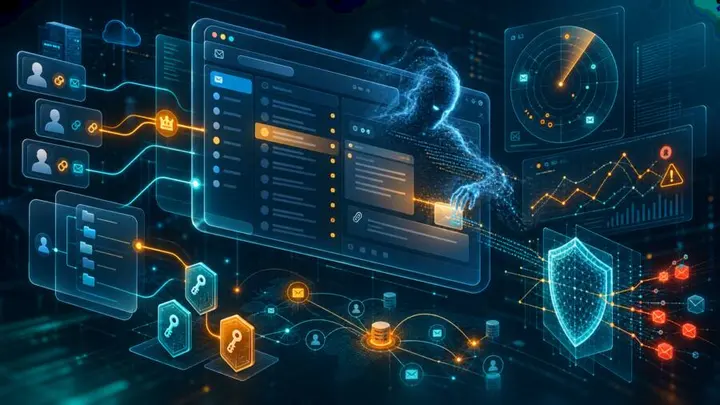
OWAReaper Shows Why Exchange Mailboxes Need Post-Patch Compromise Review
Resecurity’s OWAReaper report shows why on-prem Exchange response cannot stop at patching: defenders need mailbox-permission audits, token revocation, OWA exposure control, and post-patch compromise review.
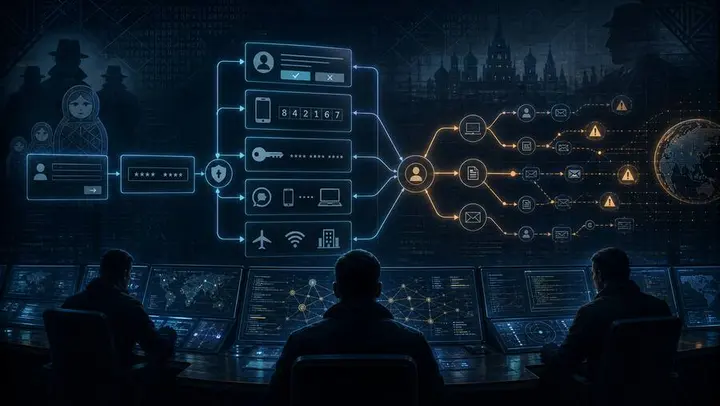
Russian Auth-Flow Phishing Shows MFA Can Be Bypassed Without Exploits
Russian-linked clusters are abusing app passwords, OAuth consent, device-code login, WhatsApp linking, and captive portals. The defense is visibility and governance around authorization flows—not just MFA at login.
Chinese Threat Intelligence
View all Chinese intel →
BRONZE SANDCASTLE: Hunt the DLL Load Chain, Not the Trusted Executable
Sophos details BRONZE SANDCASTLE DLL sideloading and memory-resident payloads. Practical hunting and response priorities for lean security teams.
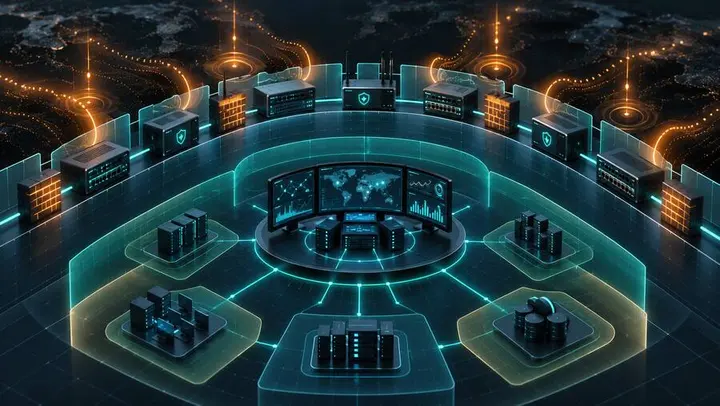
Dutch Warning on Chinese Edge-Device Attacks Shows Why Firewall Logs Must Leave the Firewall
A Dutch AIVD/MIVD/NCSC advisory warns that Chinese actors are expected to intensify edge-device exploitation. For SMBs and government contractors, the priority is centralized logging, segmentation, forensic readiness, and faster perimeter patch decisions.
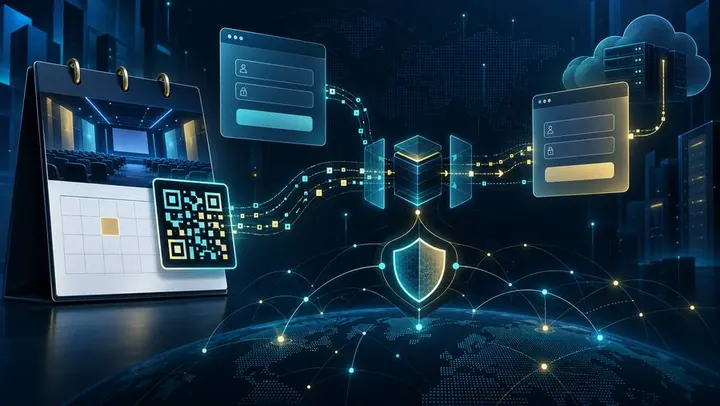
UAT-11985 Shows AI-Assisted Phishing Is Now Real-Time Account Takeover
Cisco Talos reported an APT campaign using AI-assisted event lures, malicious QR codes, and real-time Google AitM phishing. The defensive answer is phishing-resistant MFA, invitation verification, and identity telemetry that connects clicks to sessions.
North Korean Threat Intelligence
View all North Korean intel →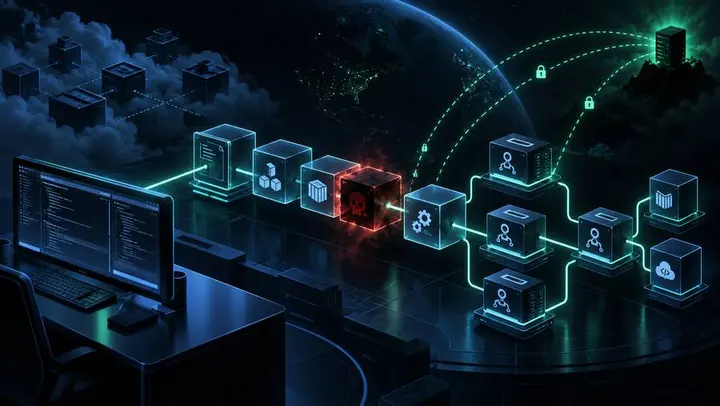
Trojanized Terraform Providers Show IaC Pipelines Are Developer Endpoints
Zscaler ThreatLabz detailed a suspected TraderTraitor campaign using a fake Terraform provider to launch cross-platform malware. The practical lesson: infrastructure-as-code plugins run on developer and CI/CD systems, so they need endpoint controls, provenance checks, and egress monitoring.
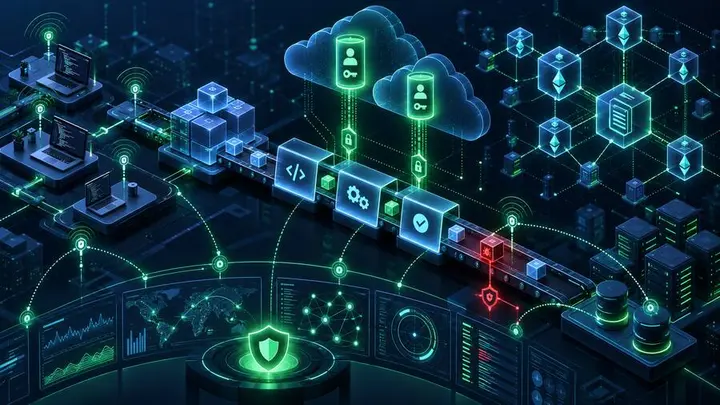
Web3 C2 Shows Why Build Pipelines Need Egress Controls
Unit 42 warns that supply-chain malware is using Web3 infrastructure to hide command-and-control while stealing cloud credentials from developer workstations and CI/CD runners.
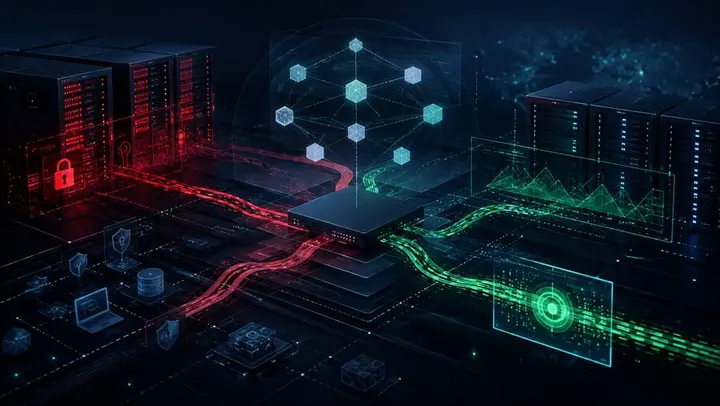
Ted Backdoor Shows Why Edge Load Balancers Need Compromise Review
Rapid7’s DPRK-attributed ted backdoor and curlRAT research shows why HAProxy, SSH, cron, and other Linux edge services need integrity checks, centralized logs, and post-compromise review.
Iranian Threat Intelligence
View all Iranian intel →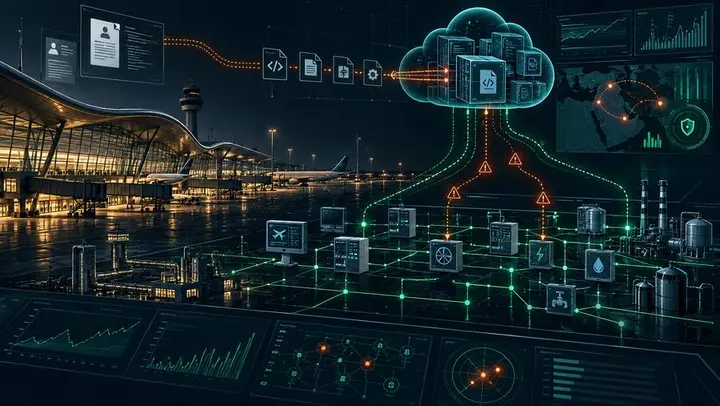
Blinder Tunnel Shows How Developer Trust Becomes Critical Infrastructure Risk
Unit 42 reports an Iran-nexus campaign using fake Dubai Airports recruitment lures, weaponized Visual Studio projects, GitHub-based command-and-control, and tunneling tools against Iraqi critical infrastructure. The lesson for SMBs and government contractors: developer workflows need the same identi
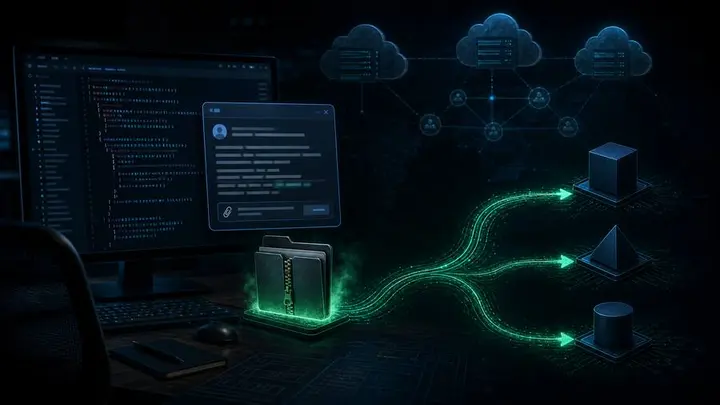
NodeRabbit and PollCat Show Why Developer Workstations Need Recruiting-Lure Controls
Mirage Kitten’s NodeRabbit and PollCat malware campaigns show why fake recruiter coding tests are a practical workstation, credential, and supply-chain risk for SMBs and government contractors.
HOLLOWGRAPH Shows Why Microsoft 365 Is Now Part of the C2 Battlefield
Group-IB’s HOLLOWGRAPH research shows how attackers can turn Microsoft 365 calendars, Graph API traffic, and DNS into covert command-and-control. Here is what SMBs and government contractors should hunt for now.
Browse by category
Beyond the feed
Bulwark Black also builds
All services →Websites & Web Apps
Fast, clean marketing sites and custom web apps built for your business, not a template you have to fight. Designed, built, and deployed by the person who will maintain it.
Custom iOS Apps
Native iPhone and iPad apps built for businesses and published to the App Store. From a focused single-purpose tool to a full product, designed, developed, and shipped end to end.
AI & Automation
Practical AI setup and quiet automation that saves you real hours. We pick the right tools, wire them into how you actually work, and skip the hype when it does not fit.
Home & Business IT + Cybersecurity
Computer help, Wi-Fi and networking, Starlink setup, and security fundamentals for homes and small businesses. Remote nationwide, with on-site support around the Olympic Peninsula and Kitsap County.
You may have missed

ConnectWise Cloud Backup Incident: Revocation Is Not Tenant Recovery
ConnectWise suspended Cloud Backup after application identities were abused. A practical tenant-response guide covering persistence, evidence preservation, and backup continuity.

AOMEI Update Tampering Shows Why Clean URLs Cannot Close Endpoint Alerts
Google researchers documented brief AOMEI update-server tampering windows. A practical response guide for SMBs and government contractors: preserve event-time evidence and distinguish vendor remediation from endpoint recovery.
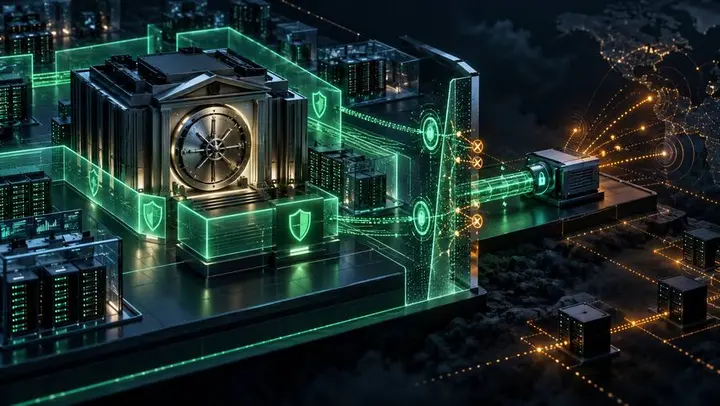
Third-Party VPN Access Shows Basic Controls Still Stop Bank Intrusions
A Unit 42 investigation into a European bank intrusion shows how vendor-managed gateway gaps, weak authentication, and noisy reconnaissance can create real business risk even when the attacker is not sophisticated.

Microsoft Patch Tuesday Record Shows Patch Triage Must Be Risk-Based
Microsoft’s October 2026 Patch Tuesday dropped a record 1,411 fixes, including an actively exploited Windows Shell flaw. SMBs and government contractors need a risk-based triage workflow, not a spreadsheet panic cycle.
Newsletter
The House-Of-L Brief.
Two short reads a day. Mornings cover markets, cyber threats, and what changed overnight. Evenings cover how AI, energy, and geopolitics are moving the world. A "why it matters" line on every story. A roundup every Sunday.
readers get The Brief
Double opt-in. One-click unsubscribe on every issue. We never share your address.