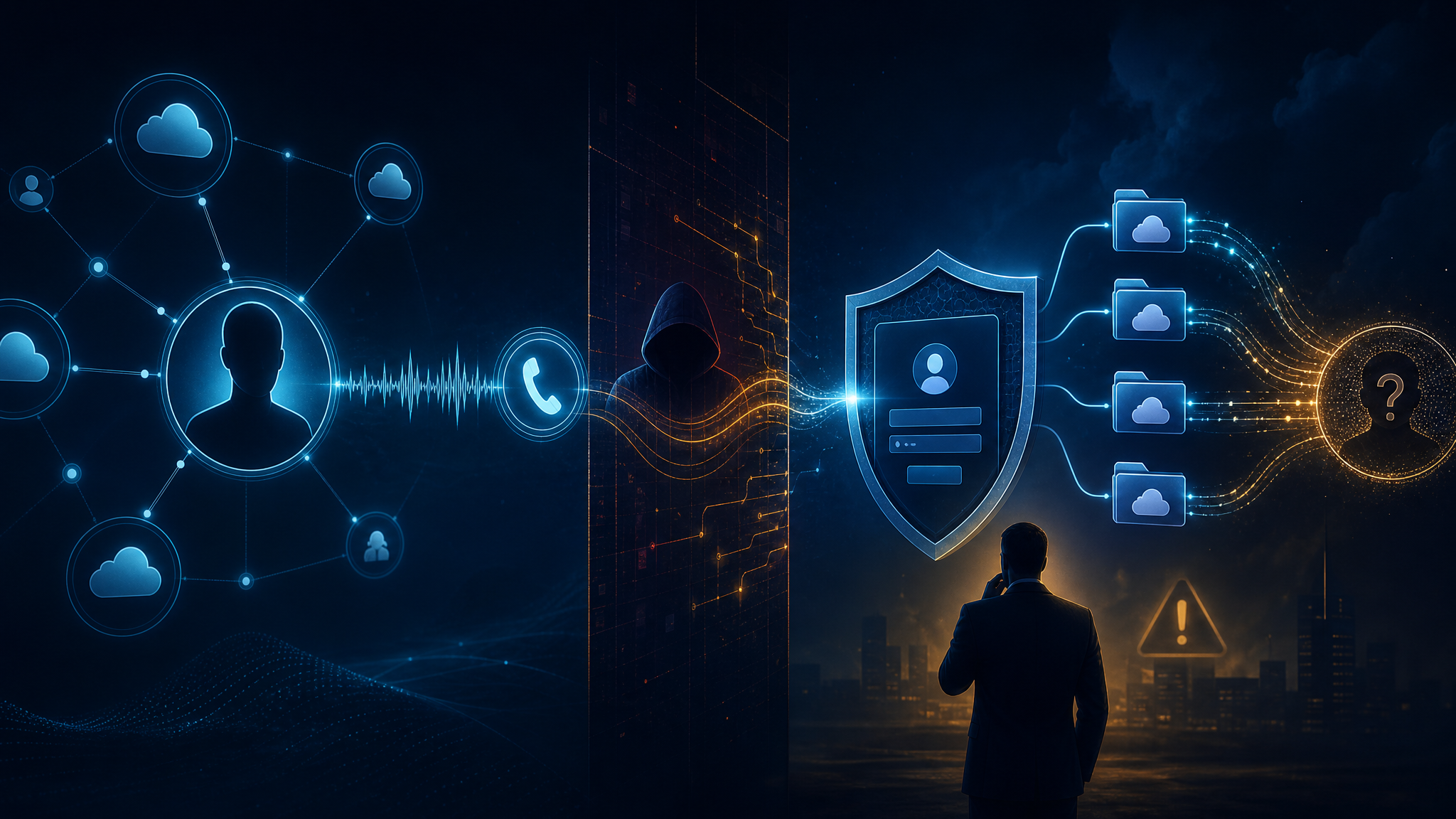
Unit 42 has reported a new evolution of Gremlin Stealer, and the important takeaway is not just that another infostealer exists. It is that commodity credential theft is becoming harder to analyze, faster to monetize, and more dangerous to organizations that depend on browser-based work.
For small businesses and government contractors, this kind of malware sits in an uncomfortable gap: it may arrive through ordinary phishing, cracked software, malicious downloads, or compromised personal devices, but the stolen data can quickly become an enterprise incident. Browser cookies, VPN credentials, Discord tokens, wallet data, and active sessions are exactly the material attackers need to bypass normal login controls and move from one compromised endpoint into cloud apps, contractor portals, email, finance systems, and collaboration platforms.
What Unit 42 Reported
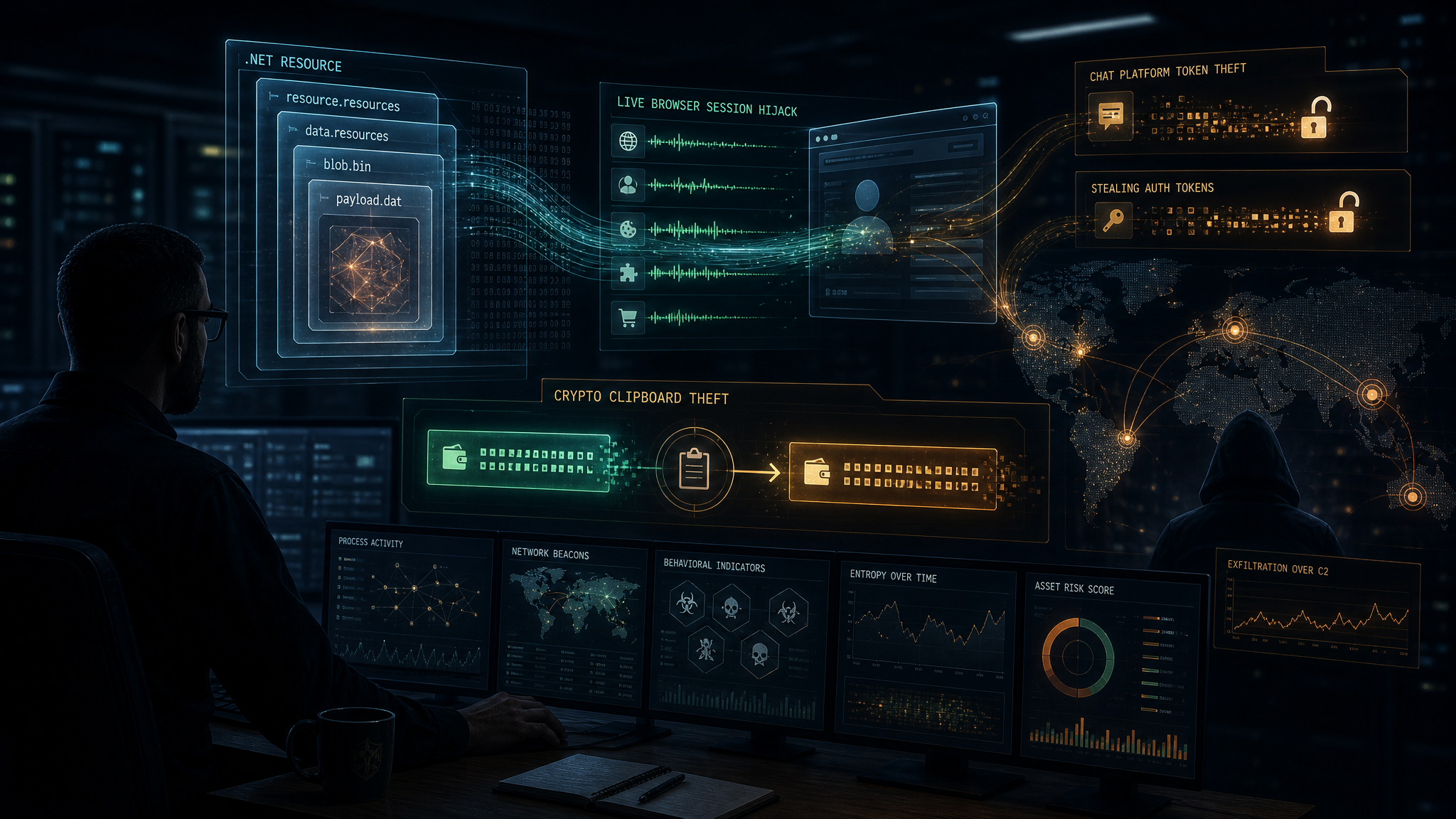
Unit 42’s analysis describes a newer Gremlin Stealer variant that hides malicious payload material inside embedded .NET resources and uses XOR encoding and packing techniques to frustrate static analysis. Older Gremlin samples exposed more of their structure. The newer variant makes analysts work harder by decrypting important functions and strings only when needed.
The malware’s target list also shows where the infostealer market is heading. Unit 42 observed capabilities focused on browser cookies, session tokens, clipboard contents, cryptocurrency wallet data, FTP and VPN credentials, and Discord token theft. The report also notes a WebSocket-based session hijacking capability designed to pull sensitive data from a running browser process rather than relying only on files stored on disk.
Why This Matters
Defenders often treat stealers as low-end malware because many are sold through criminal forums or Telegram channels. That is a mistake. A stealer does not need ransomware-grade sophistication to cause ransomware-grade damage. If it captures a valid session token or VPN credential from the right user, the attacker may not need to exploit a perimeter vulnerability at all.
This is especially relevant for SMBs and contractors because their users often rely heavily on browser sessions for email, accounting, SaaS administration, file sharing, remote access, and customer portals. If those sessions are hijacked, multi-factor authentication may not help in the way leadership expects, because the attacker may be abusing an already-authenticated session instead of performing a fresh login.
Defensive Takeaways
- Treat infostealer detections as identity incidents. Do not stop at removing the malware. Revoke sessions, rotate passwords, review MFA methods, and audit recent account activity.
- Monitor for unusual session behavior. Look for impossible travel, new device fingerprints, suspicious OAuth grants, unexpected inbox rules, and access from hosting providers or residential proxy networks.
- Reduce browser credential exposure. Encourage managed password vaults over browser-saved passwords, restrict unmanaged extensions, and harden endpoint browser policies where possible.
- Watch collaboration platforms. Discord, Slack, Teams, and similar tools can carry tokens, links, files, and social engineering lures. Token theft from these platforms can become an internal trust problem quickly.
- Segment financial workflows. Clipboard hijacking is a reminder that crypto and payment workflows should include out-of-band verification for destination addresses and account numbers.
- Keep endpoint telemetry useful. Packing and resource obfuscation reduce the value of simple static signatures. Behavioral detection, command-line logging, DNS/URL telemetry, and EDR visibility matter.
Bulwark Black Assessment
Gremlin Stealer’s evolution reinforces a practical rule: modern incident response has to connect endpoint compromise with identity compromise. If a workstation is infected, assume the attacker may have captured more than files. They may have live browser sessions, cloud tokens, VPN credentials, and access paths that survive after the executable is deleted.
The proper response is a short, disciplined containment cycle: isolate the endpoint, preserve enough evidence to understand scope, reset credentials from a clean device, revoke active sessions, review cloud and email logs, and confirm that no persistence or unauthorized access remains. For contractors handling sensitive client, legal, healthcare, or government data, that process should be documented before the incident happens.
Source: Unit 42 — Gremlin Stealer’s Evolved Tactics: Hiding in Plain Sight With Resource Files