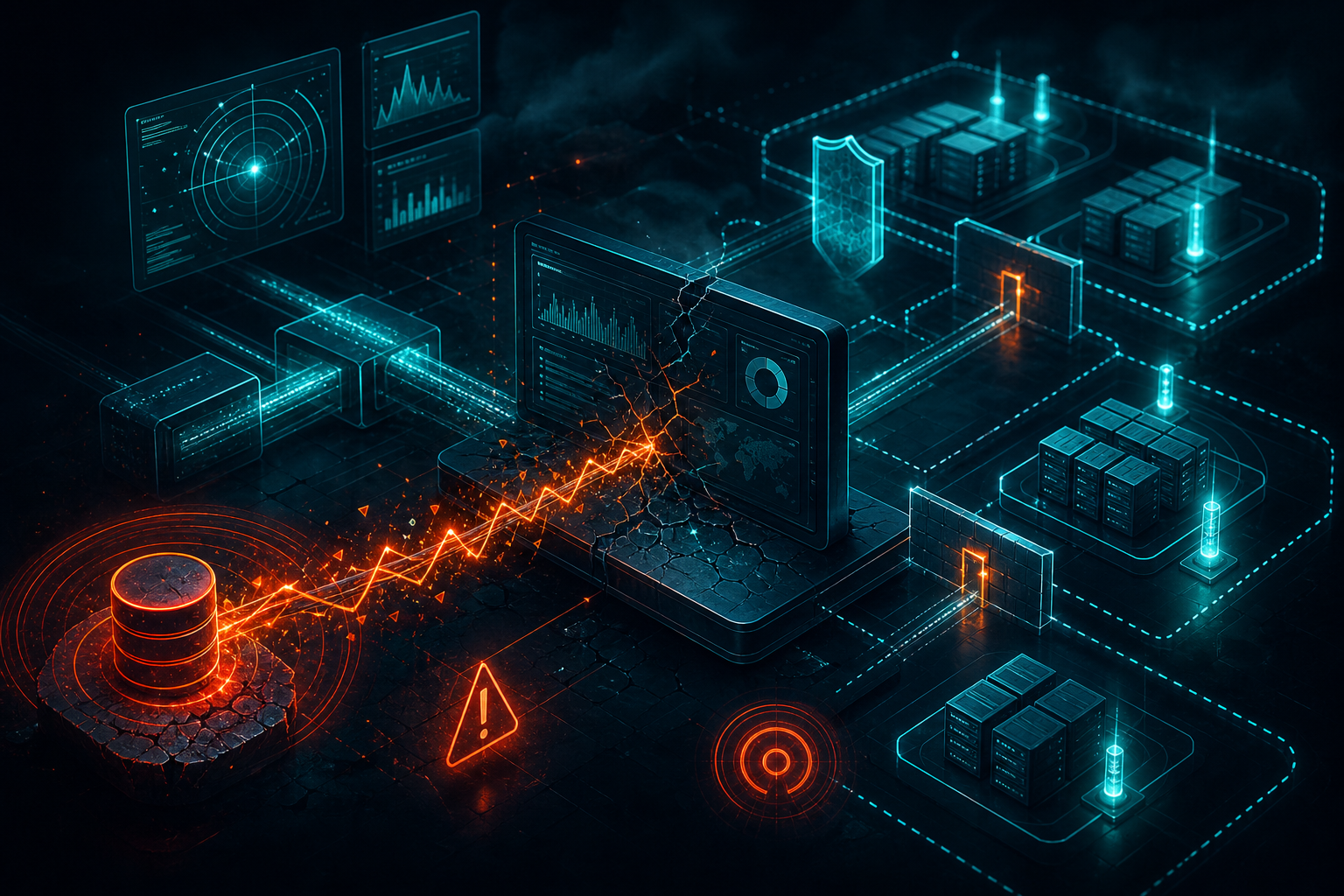
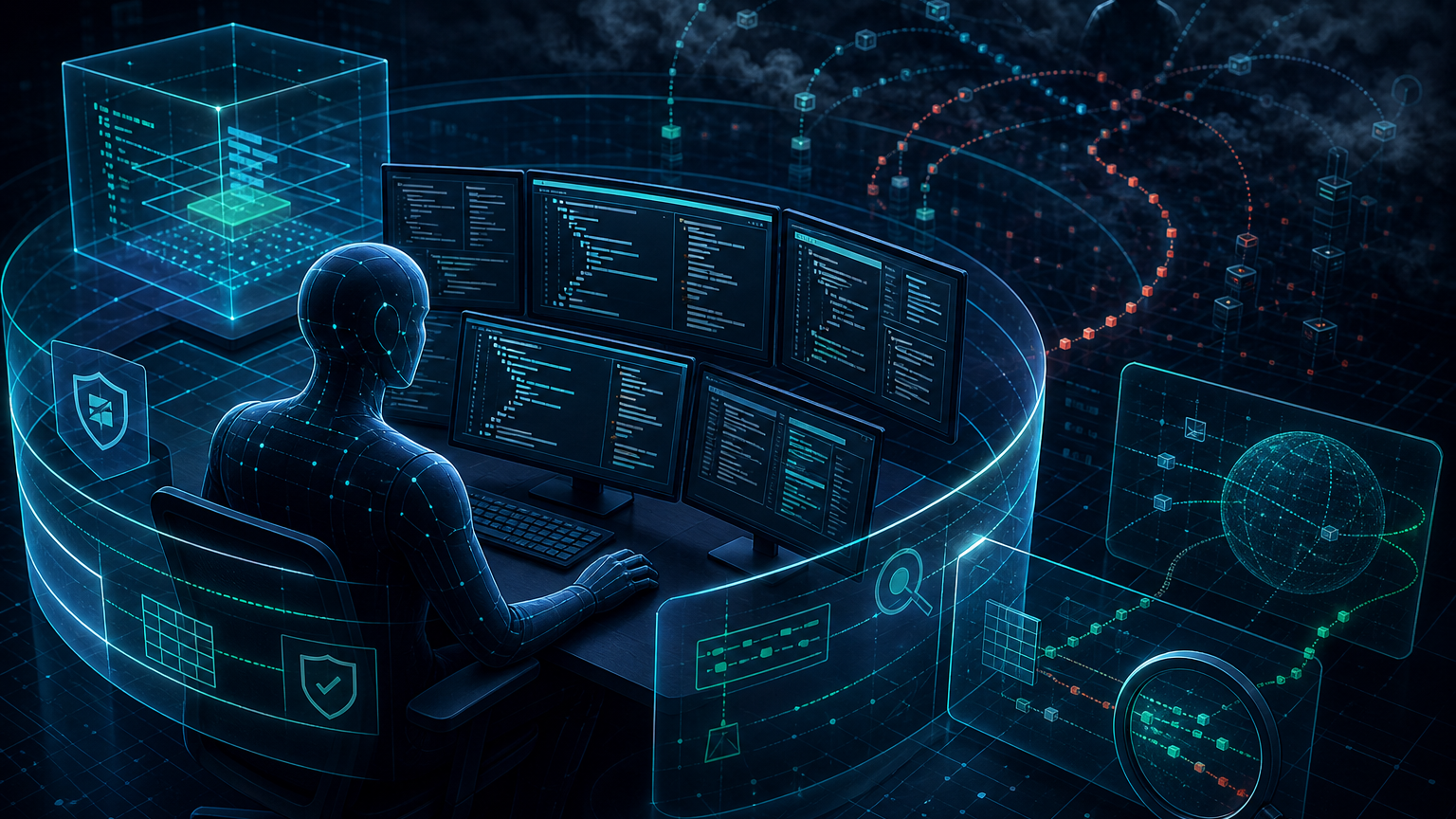
A new 0DIN research write-up, amplified by BleepingComputer, is a useful warning for teams adopting AI coding agents: a repository can look clean in static review and still become dangerous when an agent follows setup instructions, retries errors, and executes runtime-fetched configuration.
The demonstrated attack does not rely on an obviously malicious file sitting in the GitHub repository. Instead, the chain depends on ordinary-looking developer behavior: clone a project, install dependencies, run initialization, and let the coding agent troubleshoot when the project complains that setup is incomplete. The risky step is that initialization can invoke a script that retrieves a value from DNS and executes whatever comes back.
That matters because many organizations are moving fast with agentic development workflows. The control decision is no longer just “is this repository malicious?” It is also “what will this agent do on my behalf after it reads the repository, sees an error message, and decides to fix the environment?”
Why this is bigger than one proof of concept
Developer workstations are already high-value targets. They often hold cloud credentials, GitHub tokens, package registry access, SSH keys, local configuration files, and access to private source code. Adding an autonomous coding agent changes the blast radius because the agent can turn instructions, documentation, package errors, and setup scripts into action.
The important lesson is not that DNS is uniquely bad or that one coding assistant is uniquely unsafe. The lesson is that agentic tooling collapses several trust boundaries at once:
- Repository trust: Documentation and setup instructions are treated like project context, not adversarial input.
- Runtime trust: A clean repository can delegate behavior to package scripts, shell scripts, network resources, or DNS records.
- Recovery trust: Agents may interpret error messages as instructions and run the suggested fix automatically.
- Credential trust: The resulting commands execute in the developer’s real environment unless sandboxing is enforced.
What SMBs and government contractors should do
For small teams and government contractors, the defensive move is not “ban AI coding tools.” The practical move is to treat unfamiliar repositories like untrusted software until they have been contained and reviewed.
- Run first-time project setup in a disposable container or VM. Do not let a coding agent initialize unknown code directly on a workstation with real credentials.
- Restrict outbound network access during setup. Package installation may need limited access, but arbitrary DNS, curl, wget, and shell-driven downloads should be visible and controlled.
- Review scripts, package lifecycle hooks, and initialization commands before execution. Look beyond the top-level README. Inspect Makefiles, setup scripts, package metadata, post-install hooks, and commands suggested by runtime errors.
- Use least-privilege developer credentials. Local tokens should be scoped, rotated, and separated by project. A developer laptop should not carry standing access to production cloud resources.
- Log agent tool use. Teams need a record of what the agent ran, what files it read, and what network resources were contacted.
- Block secret exposure by default. Use environment isolation so coding agents do not inherit AWS keys, GitHub tokens, signing keys, or production configuration unless explicitly required.
Detection ideas
This attack style is slippery because no single layer sees the whole picture. Static scanning may see an ordinary script. DNS monitoring may see a lookup. The agent may see routine setup. Defenders should correlate those layers:
- Alert on developer workstations making unusual DNS TXT lookups during project initialization.
- Watch for shell execution chains that combine DNS utilities, decoding, and command interpreters.
- Monitor for unexpected outbound connections immediately after dependency installation or project setup.
- Baseline which development tools are allowed to spawn shells and network utilities.
- Review EDR telemetry for agents launching terminal commands outside approved project workflows.
Bulwark Black take
The real risk is workflow trust. AI agents are useful because they reduce friction, but attackers love reduced friction too. If a human would normally pause before running a mysterious setup script, the agent needs an equivalent pause point with enough context to show the full execution chain.
For organizations using AI-assisted development, the policy should be simple: unknown code gets sandboxed, setup commands get logged, network fetches get inspected, and secrets stay out of the environment until trust is earned.
Original source: 0DIN — Clone This Repo and I Own Your Machine
Additional reporting: BleepingComputer — Clean GitHub repo tricks AI coding agents into running malware