
The FBI has issued a public alert warning that Iranian government hackers affiliated with the Ministry of Intelligence and Security (MOIS) are actively weaponizing Telegram as a command-and-control (C2) platform to conduct espionage operations against dissidents, opposition groups, and journalists worldwide.
Attack Chain: From Social Engineering to Full Device Compromise
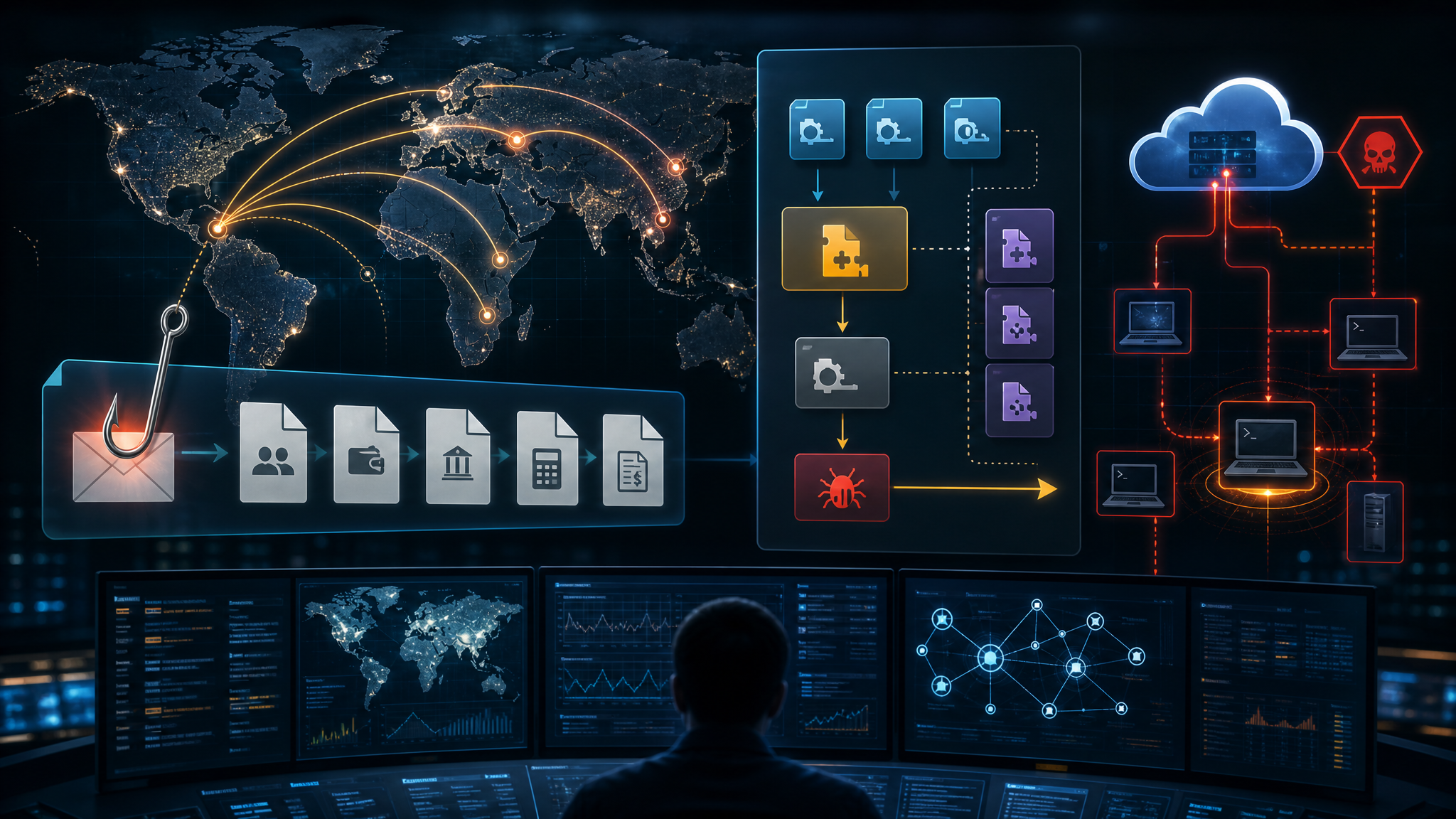
The sophisticated attack campaign begins with threat actors impersonating known contacts or technical support personnel to establish trust with their targets. Victims are then tricked into downloading malicious files disguised as legitimate applications—specifically Telegram and WhatsApp installers.
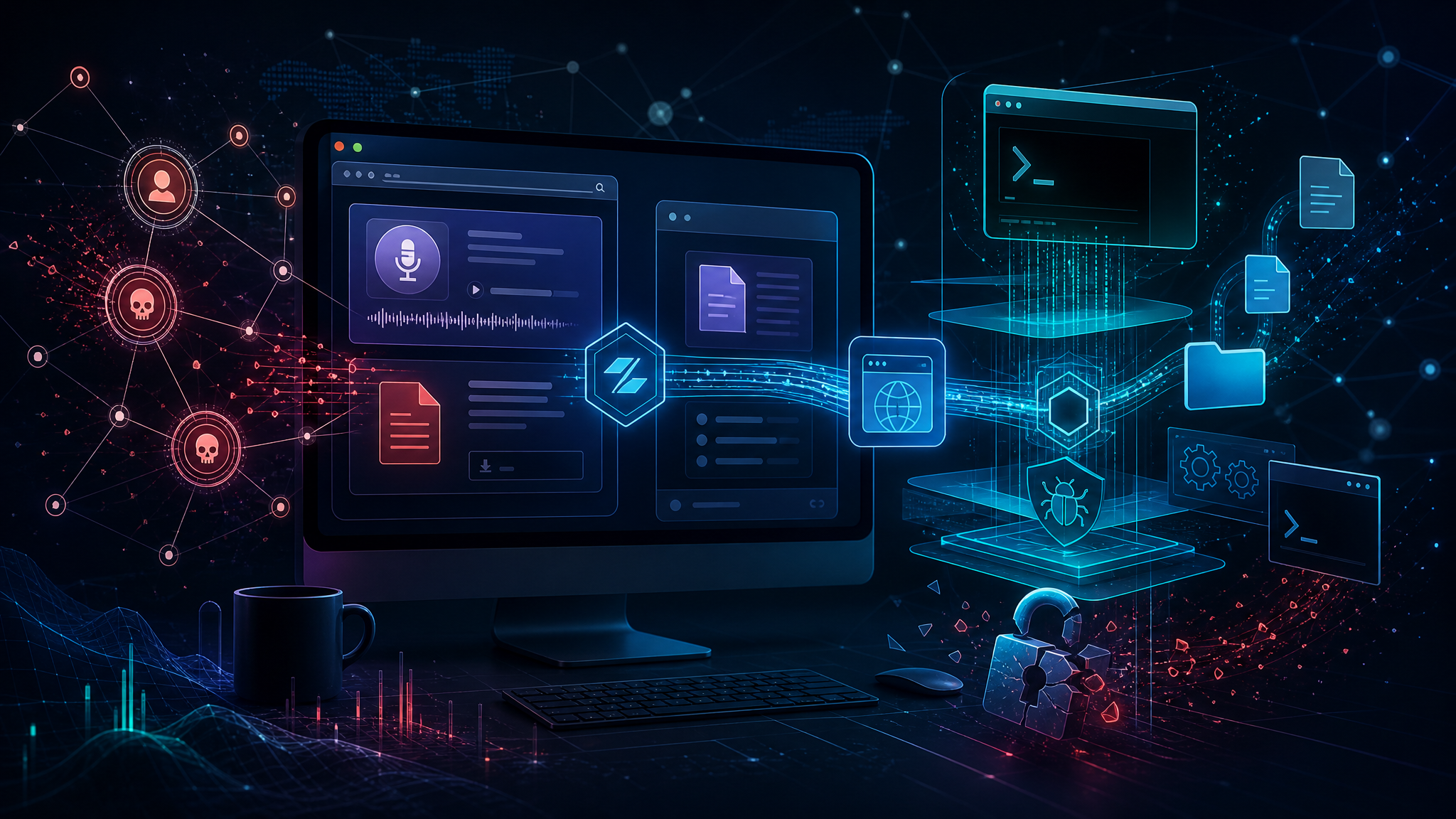
Once the malware achieves initial access, it establishes persistence and connects to Telegram bots operated by the threat actors. This second-stage infrastructure provides full remote command-and-control capabilities, allowing the hackers to:
- Steal files from compromised devices
- Capture screenshots for visual intelligence gathering
- Record Zoom calls to intercept sensitive communications
- Maintain persistent remote access for ongoing surveillance
Why Telegram? The Art of Hiding in Plain Sight
Using Telegram as a C2 channel is a deliberate evasion technique. By routing malicious traffic through a widely-used legitimate messaging platform, attackers effectively camouflage their communications within normal network activity. This makes detection significantly more difficult for both enterprise security teams and endpoint protection solutions.
According to security researchers, this “living off the land” approach exploits the fact that organizations rarely block Telegram traffic, and the encrypted nature of the platform’s communications further complicates threat hunting efforts.
Handala Connection: State-Sponsored Hacktivism Unmasked
The FBI alert explicitly references the pro-Iranian and pro-Palestinian hacktivist group Handala, which has been linked to destructive attacks on Western targets. Most notably, Handala claimed responsibility for the devastating attack on medical technology giant Stryker earlier this month, which resulted in the wiping of tens of thousands of employee devices.
Last week, the U.S. Justice Department formally accused Handala of being a front operation for Iran’s MOIS—stripping away the facade of independent hacktivism to reveal direct state sponsorship. The DOJ attributed the destructive Stryker breach directly to Iranian government actors operating under the Handala banner.
FBI Infrastructure Takedown: Handala and Homeland Justice Websites Seized
In a coordinated enforcement action, the FBI seized two websites linked to Handala along with two additional sites connected to another Iranian hacktivist front called “Homeland Justice.” According to the FBI alert, both groups are controlled by MOIS, indicating a coordinated multi-persona influence and attack operation.
Strategic Implications
This FBI warning arrives amid escalating cyber tensions between Iran and Western nations. The targeting of dissidents and journalists represents classic authoritarian playbook tactics—using cyber capabilities to extend domestic repression beyond borders and silence opposition voices.
For organizations and individuals in the crosshairs of Iranian state actors, this alert reinforces several critical security imperatives:
- Verify all communication channels before accepting files or links, especially from contacts claiming to be tech support
- Never install applications from links received via messaging platforms—always download directly from official sources
- Monitor for anomalous Telegram traffic in enterprise environments, particularly connections to unfamiliar bot endpoints
- Enable multi-factor authentication and use hardware security keys where possible
Telegram’s spokesperson Remi Vaughn stated that the platform’s “moderators routinely remove any accounts found to be involved with malware.”
Source: TechCrunch