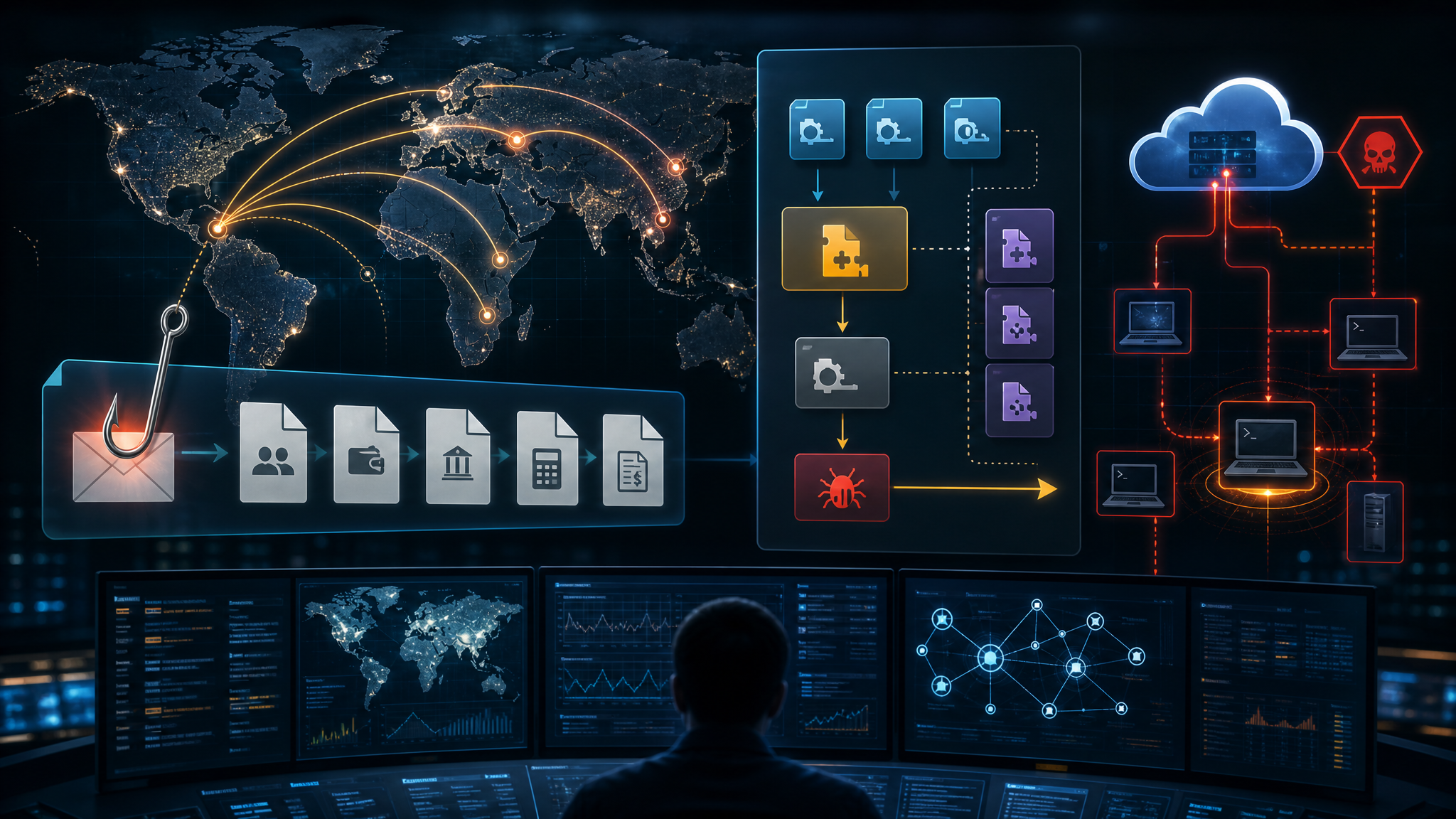
Proofpoint’s new reporting on TA4922 is a useful reminder that business-process phishing is no longer just a commodity email problem. The suspected Chinese-speaking cybercrime group has been expanding beyond East Asia with localized HR, payroll, tax, benefits, invoicing, and compliance lures aimed at organizations in Japan, Taiwan, Korea, Singapore, India, the United Kingdom, Germany, Italy, South Africa, and other regions.
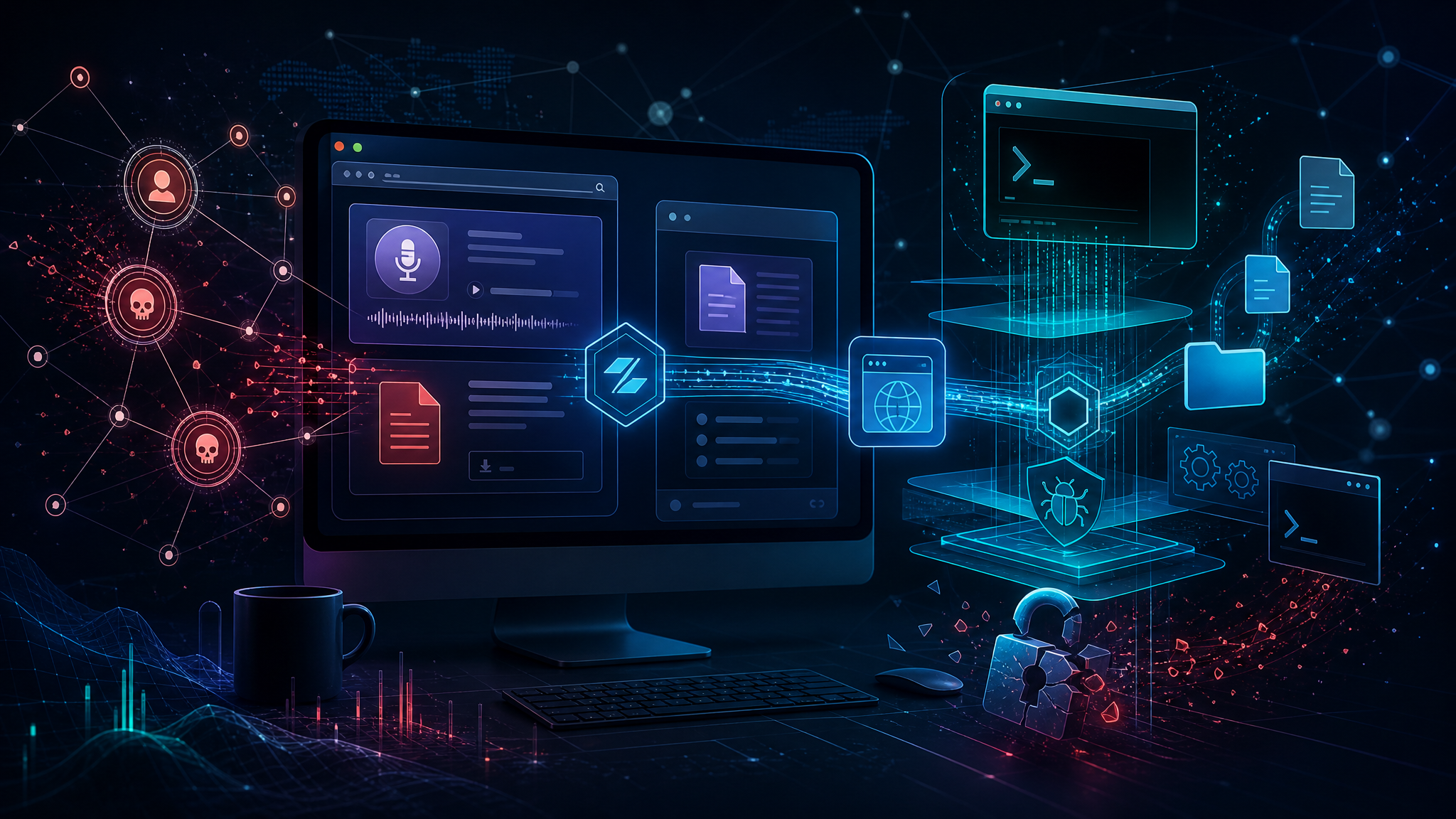
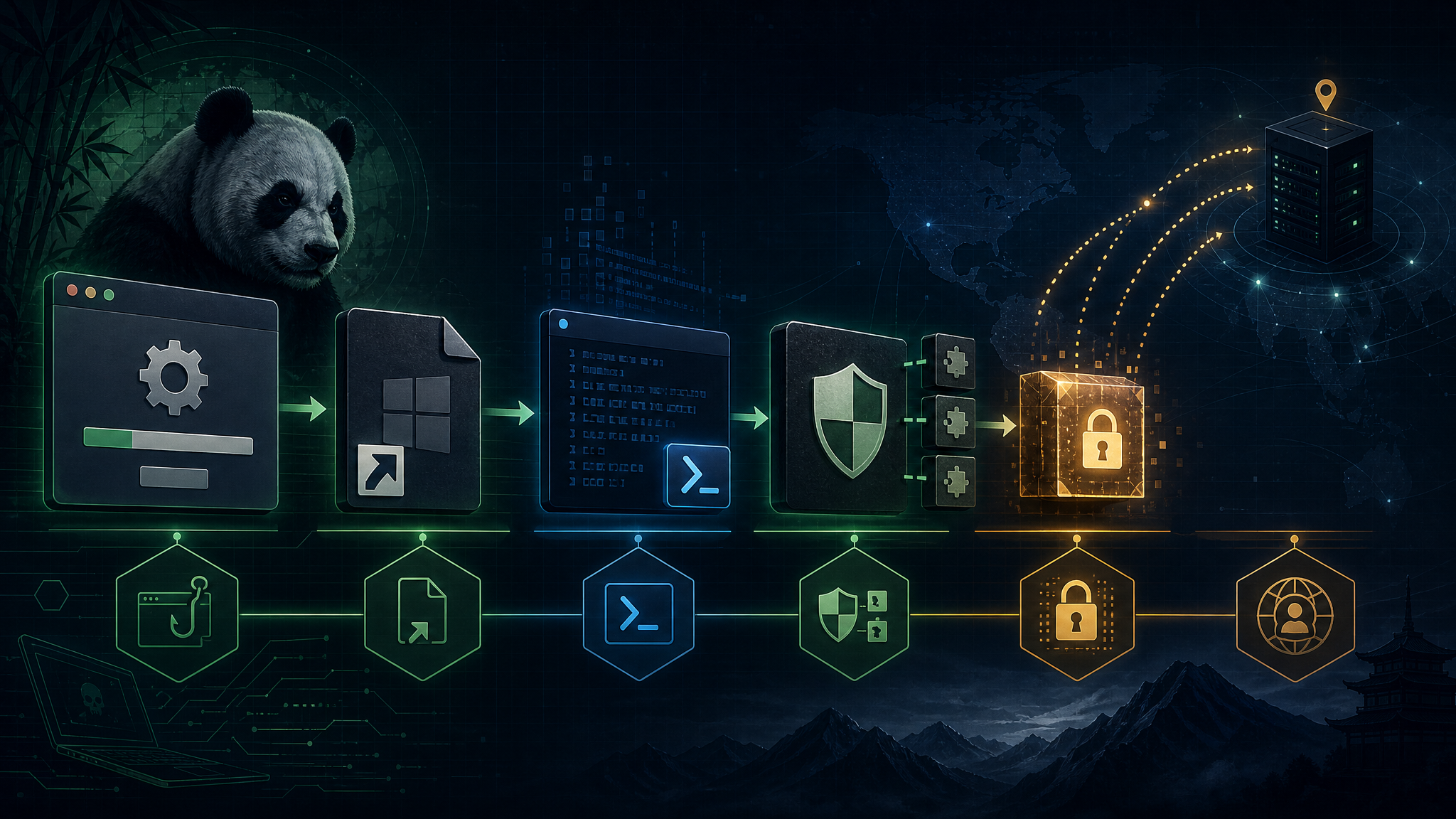
The important part for defenders is not the label attached to the actor. It is the operating model: convincing business-themed messages, legitimate file-sharing services, ZIP/IMG delivery, DLL sideloading, loader malware, remote access tooling, credential theft, and selective follow-on payloads. That chain maps directly to the way small businesses, professional services firms, and government contractors actually get breached: one realistic document workflow at a time.
What Proofpoint Reported
Proofpoint tracks TA4922 as a distinct, likely financially motivated threat cluster with overlap in the broader Silver Fox / Void Arachne ecosystem. Recent campaigns have delivered or used multiple malware families and tools, including Atlas RAT, RomulusLoader, SilentRunLoader, ValleyRAT / Winos4.0, AnyDesk, and SyncFuture.
The campaigns are not one-size-fits-all. Proofpoint describes lures impersonating internal HR departments, tax authorities, payroll notifications, electronic invoices, government benefits services, and compliance paperwork. Some campaigns move users toward file-hosting services such as GoFile, LimeWire, and MediaFire. Others attempt to shift the conversation from email into messaging platforms like LINE, WhatsApp, or Microsoft Teams, where normal email security visibility drops off.
Why This Matters
TA4922’s tradecraft is a good model for where financially motivated intrusion is heading: localized enough to look routine, modular enough to change payloads quickly, and blended enough to hide behind legitimate tools. A user opening what looks like payroll paperwork can become a foothold for a loader, a RAT, browser data theft, or a legitimate remote management tool that gives the attacker interactive access.
That matters especially for organizations that rely heavily on outsourced IT, shared mailboxes, remote work, and fast document workflows. HR and finance processes are high-trust lanes. Attackers know those lanes create urgency, authority, and a reason to open files from people the recipient may not personally know.
Defensive Takeaways
- Treat HR, payroll, tax, and invoice themes as high-risk workflows. Route unexpected document requests through a second verification channel, especially when they include archives, disk images, or external file-hosting links.
- Block or heavily inspect archive and disk-image delivery. ZIP, RAR, IMG, and ISO files are still common handoff formats because they help package legitimate executables with malicious DLLs.
- Hunt for DLL sideloading patterns. Look for trusted or legitimate executables launched from user-writable paths, temporary extraction folders, Downloads, or unusual business-document directories.
- Control remote monitoring and management tools. AnyDesk, SyncFuture, and similar utilities should be allowlisted by business need, not merely detected after execution.
- Monitor browser credential and cookie access. SilentRunLoader-style theft of Chrome data is a reminder that endpoint compromise often becomes identity compromise within minutes.
- Watch for out-of-band conversation pivots. Requests to move business conversations from email into LINE, WhatsApp, Teams, or another chat channel should be treated as a social-engineering signal when paired with documents or account requests.
Bulwark Black Assessment
For SMBs and government contractors, the practical lesson is simple: initial access is becoming less about exotic exploits and more about believable business operations. TA4922 succeeds when security controls treat “normal” HR or finance activity as inherently trusted.
The defensive move is to add friction where it counts. Separate trusted business process from trusted execution. A payroll email may be legitimate, but that does not mean an archive from a file-sharing service should be allowed to execute a sideloading chain. A remote access tool may be legitimate, but that does not mean any employee endpoint should be able to install it on demand.
Organizations that harden those business-process seams — attachment policy, file-hosting access, RMM allowlisting, EDR rules for sideloading, and phishing-resistant identity controls — will be better positioned against TA4922 and the wider ecosystem copying the same playbook.
Source: Proofpoint Threat Insight — “TA4922: The Suspected Chinese Crime Group is Going Global”.