







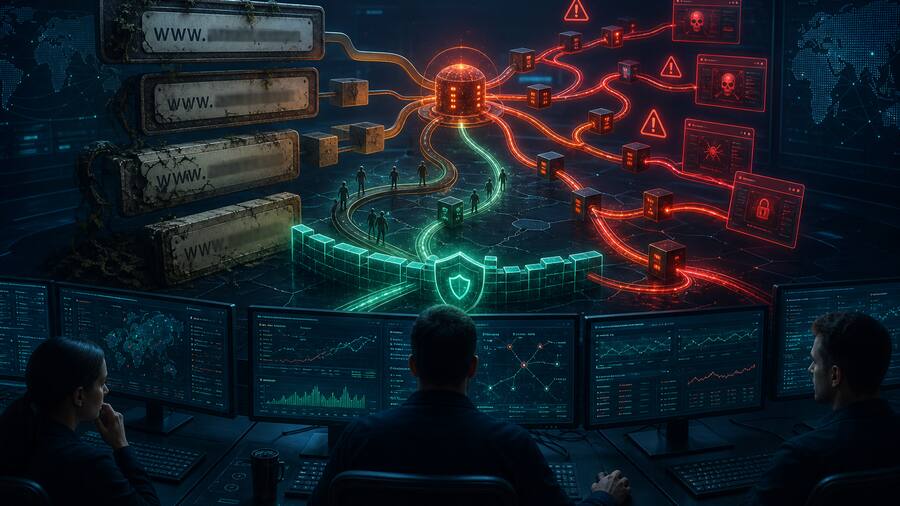


Microsoft’s Defender Security Research Team published a useful warning for anyone experimenting with AI agents: the browser is no longer just a browser when it is wired to local tools, MCP servers, code execution, and developer control planes.
The research describes AutoJack, an exploit chain found during research against AutoGen Studio’s development branch. Microsoft says the affected MCP WebSocket surface was hardened before reaching a PyPI release, so this is not a “drop everything, patch production” incident for normal AutoGen Studio users. The reason it matters is bigger than that: it shows how a single untrusted webpage can become a route into localhost services when an agent is allowed to browse and also reach privileged local interfaces.
What Microsoft Found
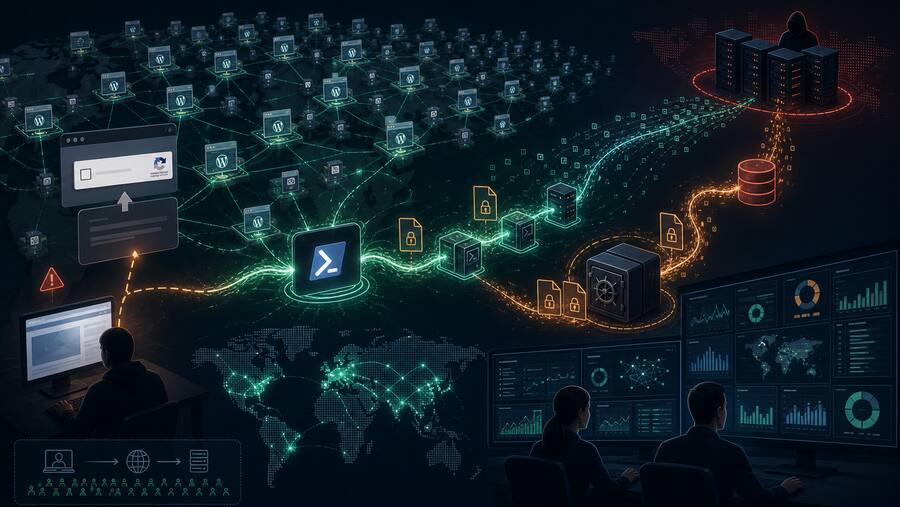
The AutoJack chain combined three issues in an AutoGen Studio MCP WebSocket path: a localhost origin allowlist that could be satisfied by the agent’s own browser process, an authentication bypass for MCP-related paths, and URL-supplied server parameters that could be decoded and executed as process arguments. Chained together, a page rendered by an agent could open a WebSocket to a local MCP control plane and trigger process execution under the user account running the prototype.
That is the key defensive lesson. Traditional web security thinking treats localhost as safer than the public internet. Agentic systems weaken that assumption because the agent itself may fetch attacker-controlled content, render JavaScript, call tools, and access loopback services from the same workstation or server.
Why This Matters for SMBs and Government Contractors
AI pilots are moving fast inside small teams. A developer may spin up an agent framework on a laptop, connect it to internal documentation, add a browser tool, attach MCP servers, and assume that anything bound to 127.0.0.1 is “local only.” For a contractor handling proposal material, CUI-adjacent workflows, vulnerability data, or internal credentials, that assumption is dangerous.
The immediate exposure in Microsoft’s post was limited, but the pattern is likely to repeat across agent frameworks, browser automation tools, MCP connectors, local dashboards, notebook servers, and developer APIs. If an agent can browse the open web and touch local services, an attacker may not need to compromise the endpoint directly. They may only need to steer the agent into loading the wrong content.
Defensive Takeaways
- Do not treat localhost as an authentication boundary. Require real authentication and authorization on local control planes, including WebSocket and MCP-style routes.
- Separate browsing agents from privileged tooling. Run web-browsing agents in containers, VMs, or separate low-privilege OS accounts rather than on a daily-driver workstation.
- Allowlist tool execution. MCP servers and tool runners should not accept arbitrary command names and arguments from user, model, or URL-controlled input.
- Inventory agent prototypes. Track who is running AutoGen, LangChain/LangGraph, MCP servers, browser agents, notebook environments, and local admin dashboards.
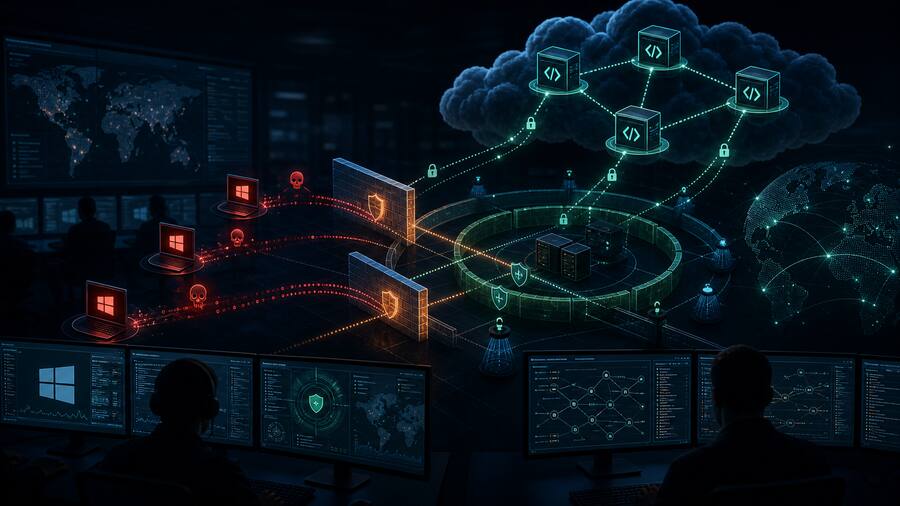
- Monitor parent-child process behavior. Alert when Python, Node, browser automation, or agent framework processes spawn shells, PowerShell, curl, interpreters, or unexpected binaries.
- Put egress controls around headless browsers. If agent browsing traffic cannot be inspected or restricted, prompt-injection defenses will only cover part of the chain.
Bulwark Black Assessment
AutoJack is a clean example of where AI security is heading: not just model jailbreaks, but control-plane abuse. The weak point is the wiring between model, browser, local service, and tool executor.
For organizations adopting AI agents, the practical move is to classify agent infrastructure like any other remote administration surface. Bind it narrowly, authenticate every route, isolate it from sensitive user profiles, and assume any webpage the agent reads may be hostile. AI agents are useful precisely because they can take action. That means their local trust paths need the same discipline as VPNs, EDR consoles, CI/CD runners, and cloud admin tools.