The FBI, Google, Black Lotus Labs, and major U.S. wireless carriers have moved against Outsider Enterprise, a China-based phishing-as-a-service operation tied to large-scale smishing campaigns, fake brand pages, credential theft, and payment-card fraud.
According to BleepingComputer’s reporting, the disruption included seized administration servers, infrastructure takedowns, a Shopify storefront, a testing account, a Telegram bot, and roughly $100,000 in USDT. Google’s own legal and security update says the operation was linked to more than 9,000 fake websites and over 1 million fraudulent URLs.
What happened
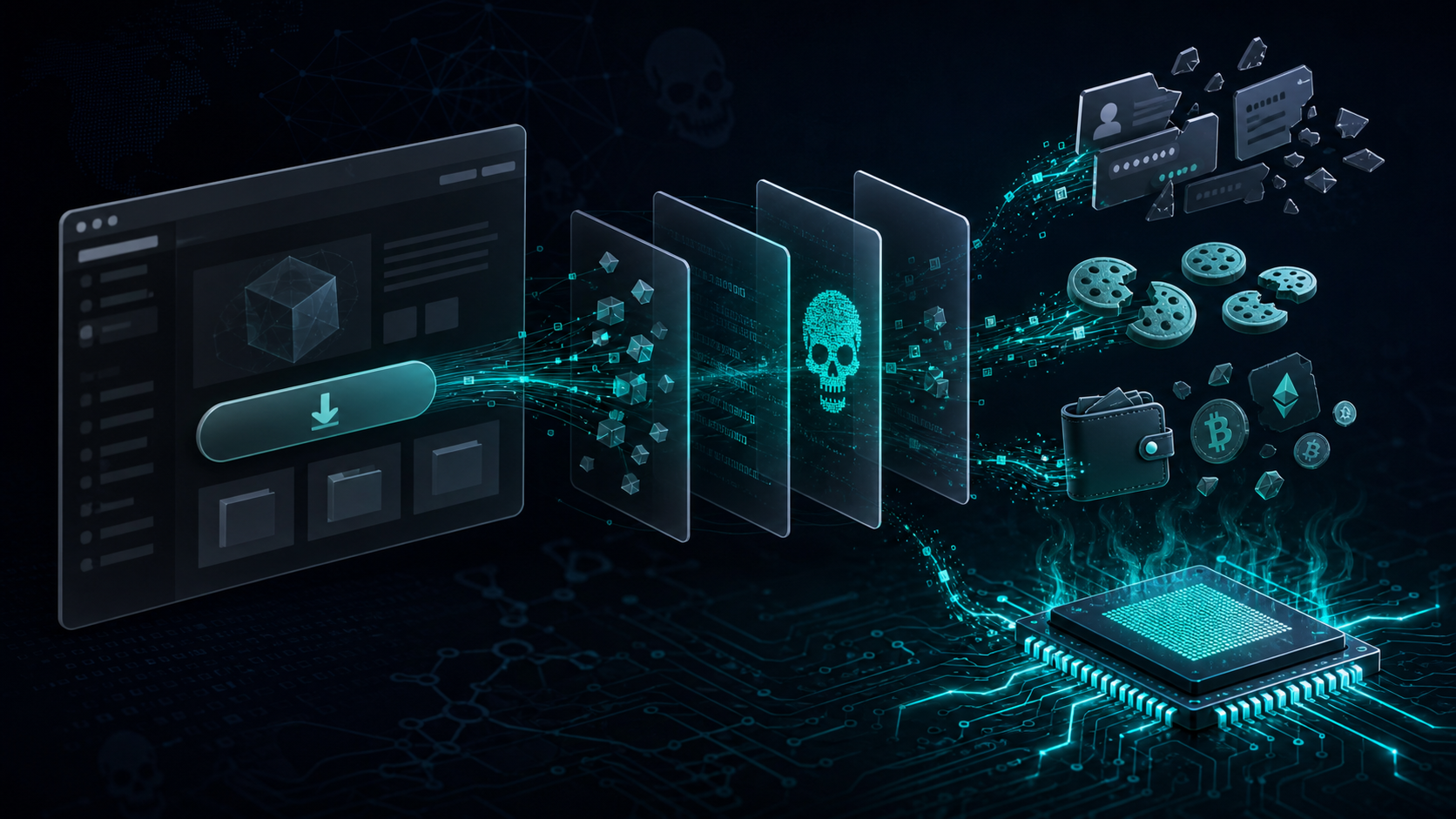
Outsider Enterprise operated like an industrial phishing platform rather than a one-off scam crew. The group distributed phishing kits through Telegram and enabled campaigns that impersonated trusted brands in SMS messages. Those links drove victims to fake sites designed to collect passwords, payment-card data, and other sensitive information.
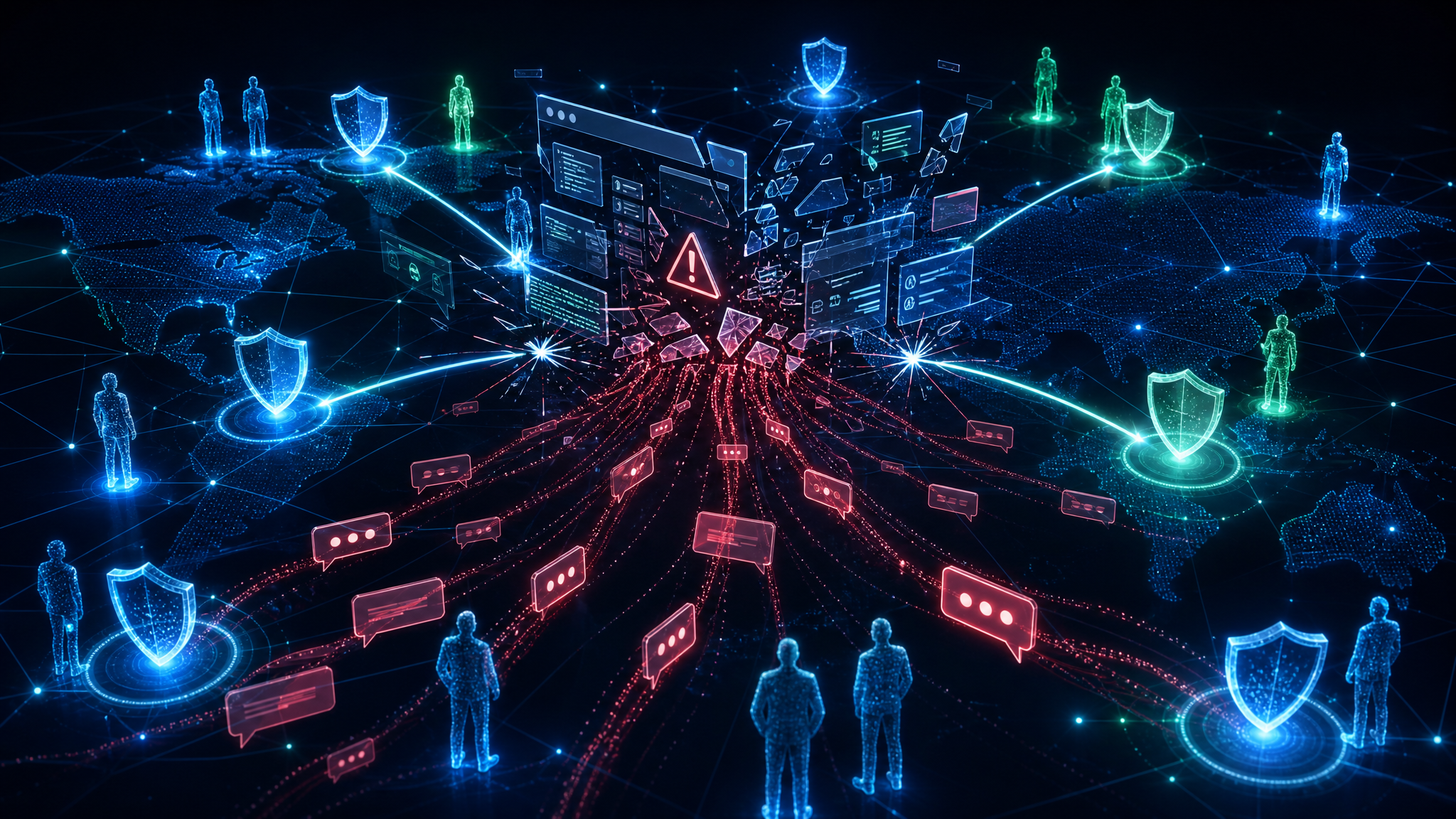
Google says the operation sent 2.5 million SMS messages to Android users over a two-week period in May, with 55,000 messages flagged by users as fraudulent. BleepingComputer reports that authorities connected the broader activity to millions of stolen card records and major financial losses.
Why this matters for SMBs and government contractors
This is the part defenders should pay attention to: the threat is not just “better phishing.” It is phishing infrastructure at scale. AI-assisted copy, reusable kits, telecom delivery, domain churn, Telegram-based customer support, and payment infrastructure make scam operations faster to launch and harder for individual users to spot.
For small businesses, subcontractors, and government-facing teams, that means employee phones, personal email, and cloud identity flows are part of the attack surface. A convincing package alert or account-warning text can become an account takeover path if it captures Microsoft 365, Google Workspace, banking, payroll, or vendor portal credentials.
Defensive takeaways
- Move high-value accounts to phishing-resistant MFA. Prioritize passkeys, FIDO2 security keys, or certificate-backed authentication for admins, finance, executives, and proposal/business-development staff.
- Treat SMS as untrusted for business decisions. Train users not to act from text-message links for banking, shipping, cloud logins, payroll, or vendor portals. Navigate manually or use approved apps/bookmarks.
- Monitor for lookalike domains and brand impersonation. Even small firms should watch common typo patterns, fake support pages, and cloned login portals tied to their brand or executives.
- Harden identity recovery paths. Review helpdesk verification, MFA reset workflows, backup email/phone settings, and mailbox forwarding rules. Smishing often succeeds by getting victims into legitimate recovery flows.
- Use DNS, email, and browser telemetry together. A single blocked URL is useful; clustered attempts across SMS, email, browser, and endpoint logs show campaign activity.
- Have a card and credential response playbook. If a user enters credentials into a suspected phishing page, immediately revoke sessions, rotate passwords, review OAuth grants, inspect mailbox rules, and check financial/vendor portals.
Bulwark Black assessment
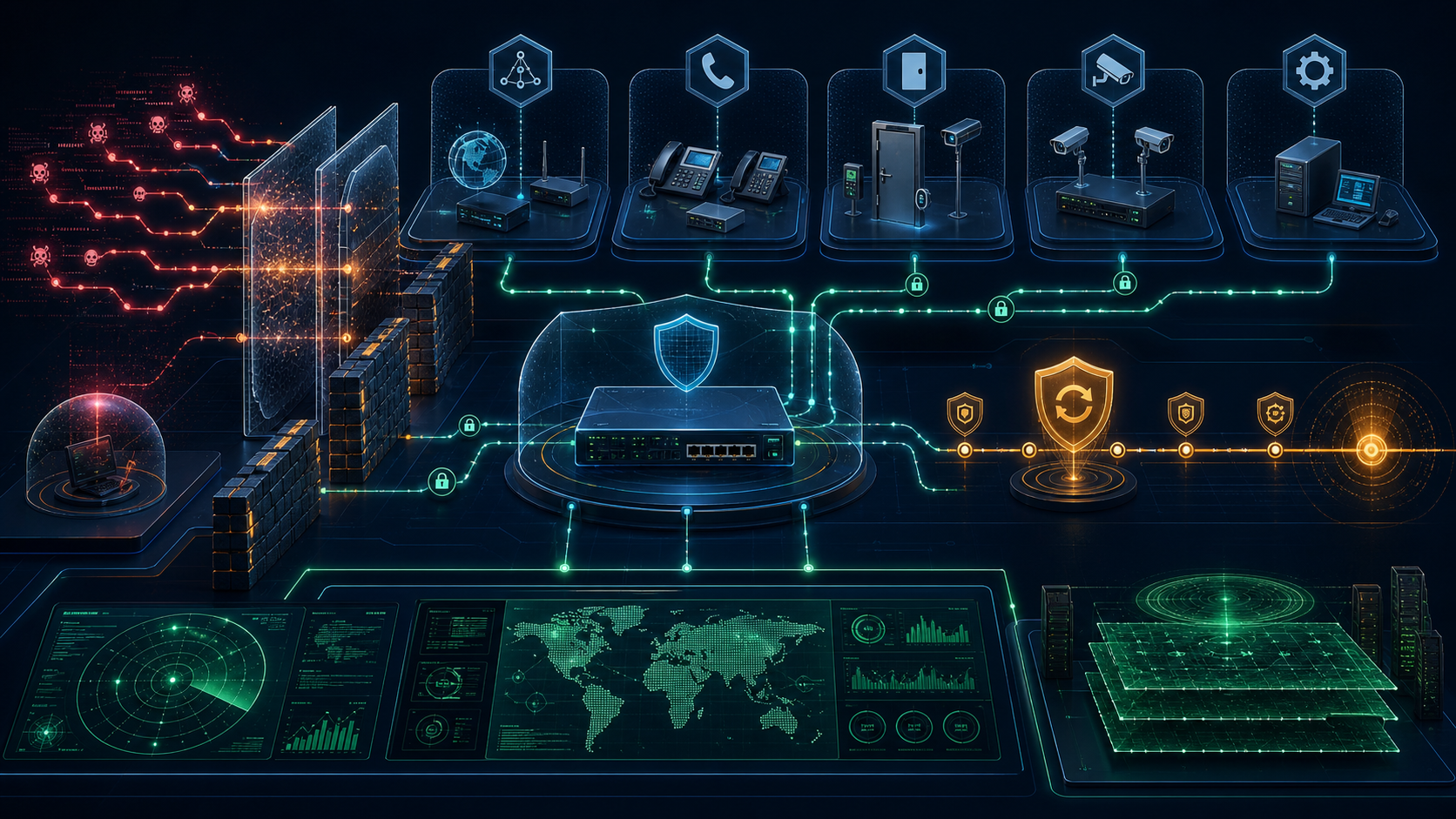
The Outsider Enterprise disruption is a good example of collective defense working: law enforcement, cloud/security providers, DNS/infrastructure partners, and telecom carriers all had a role. But takedowns do not erase the business model. If a phishing kit can generate convincing pages and a delivery network can push millions of messages, defenders need controls that assume some users will see polished scams.
The practical move is to reduce blast radius: phishing-resistant MFA for critical users, verified recovery workflows, domain monitoring, rapid session revocation, and clear user guidance that SMS links are not a trusted path into business systems.
Original source: BleepingComputer — FBI disrupts massive AI-powered phishing service using a million URLs. Additional reference: Google — How we’re combatting AI scams with security, legislation and more.