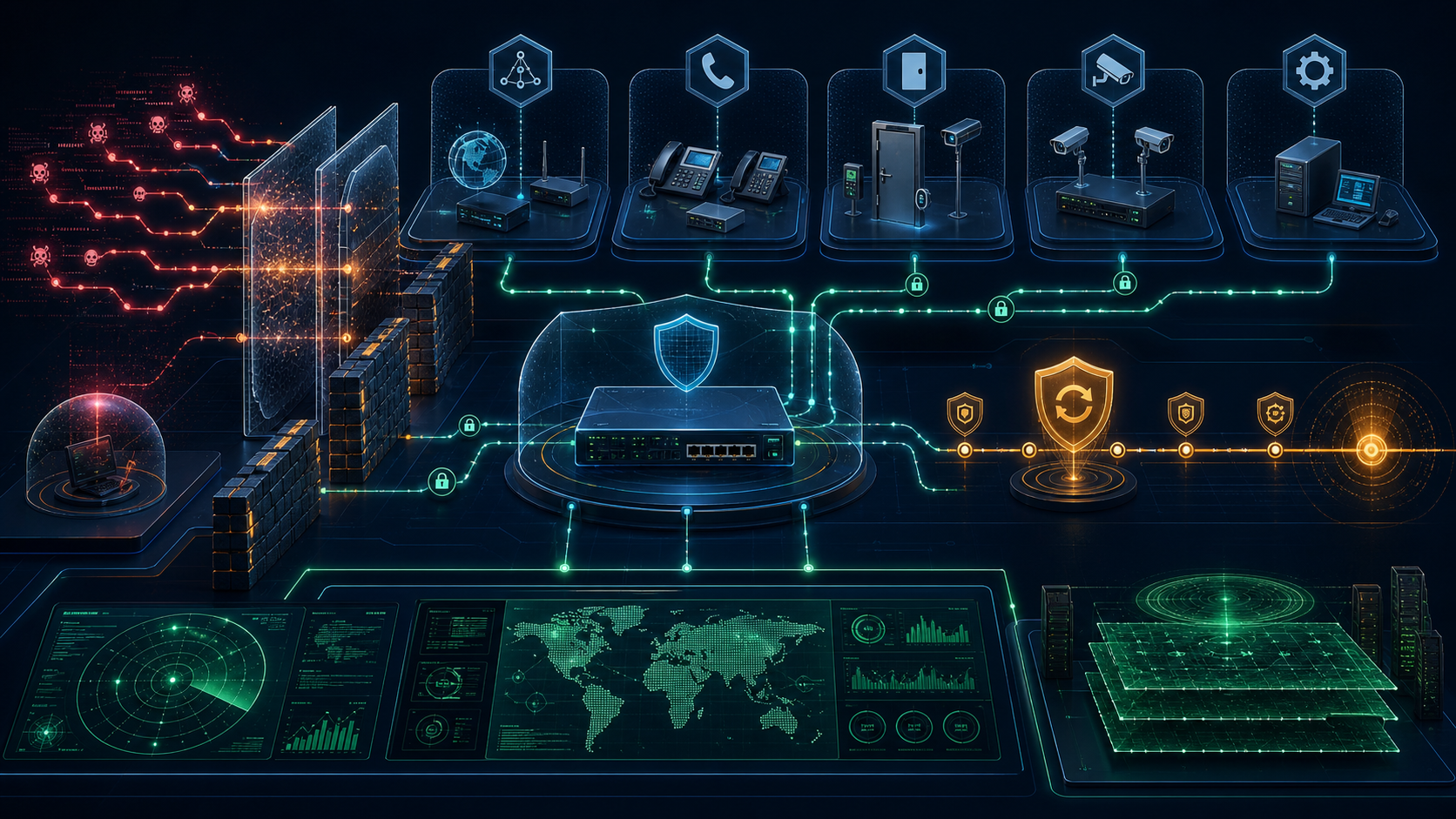
Microsoft Threat Intelligence published new research on a Windows cryptocurrency clipper campaign that should matter beyond the crypto community. The campaign combines three things defenders often treat separately: removable media propagation, script-based execution, and Tor-routed command and control.
The result is not just clipboard theft. It is a lightweight backdoor with persistence, screenshot collection, wallet-address replacement, and runtime tasking from a hidden-service command server. That combination makes this a useful case study for small businesses, government contractors, and any organization where finance, payroll, accounting, development, or executive users may handle sensitive transactions from standard Windows endpoints.
Original research: Microsoft Security Blog — Crypto Clipper uses Tor and worm-like propagation for persistence and control.
What Microsoft reported
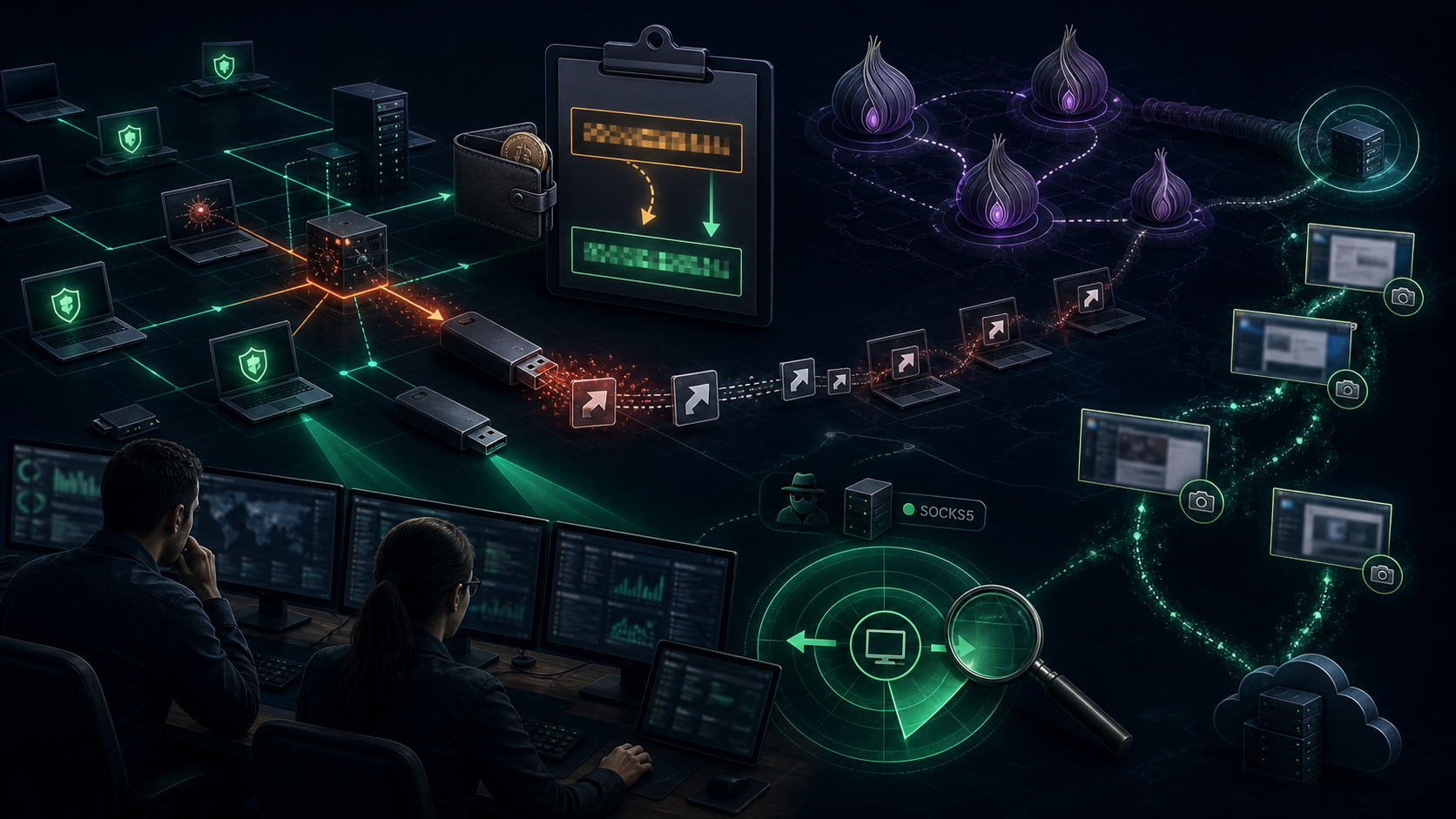
Microsoft says the campaign has affected users since February 2026. Initial access is tied to malicious Windows shortcut files, including shortcuts distributed through USB storage devices. Once a user opens what appears to be a normal document shortcut, the malware stages additional components and creates more malicious shortcuts that mimic legitimate files on the removable drive.
The malware then deploys two major functions:
- A worm component that spreads through removable media, hides legitimate files, creates lookalike shortcut files, and establishes scheduled-task persistence.
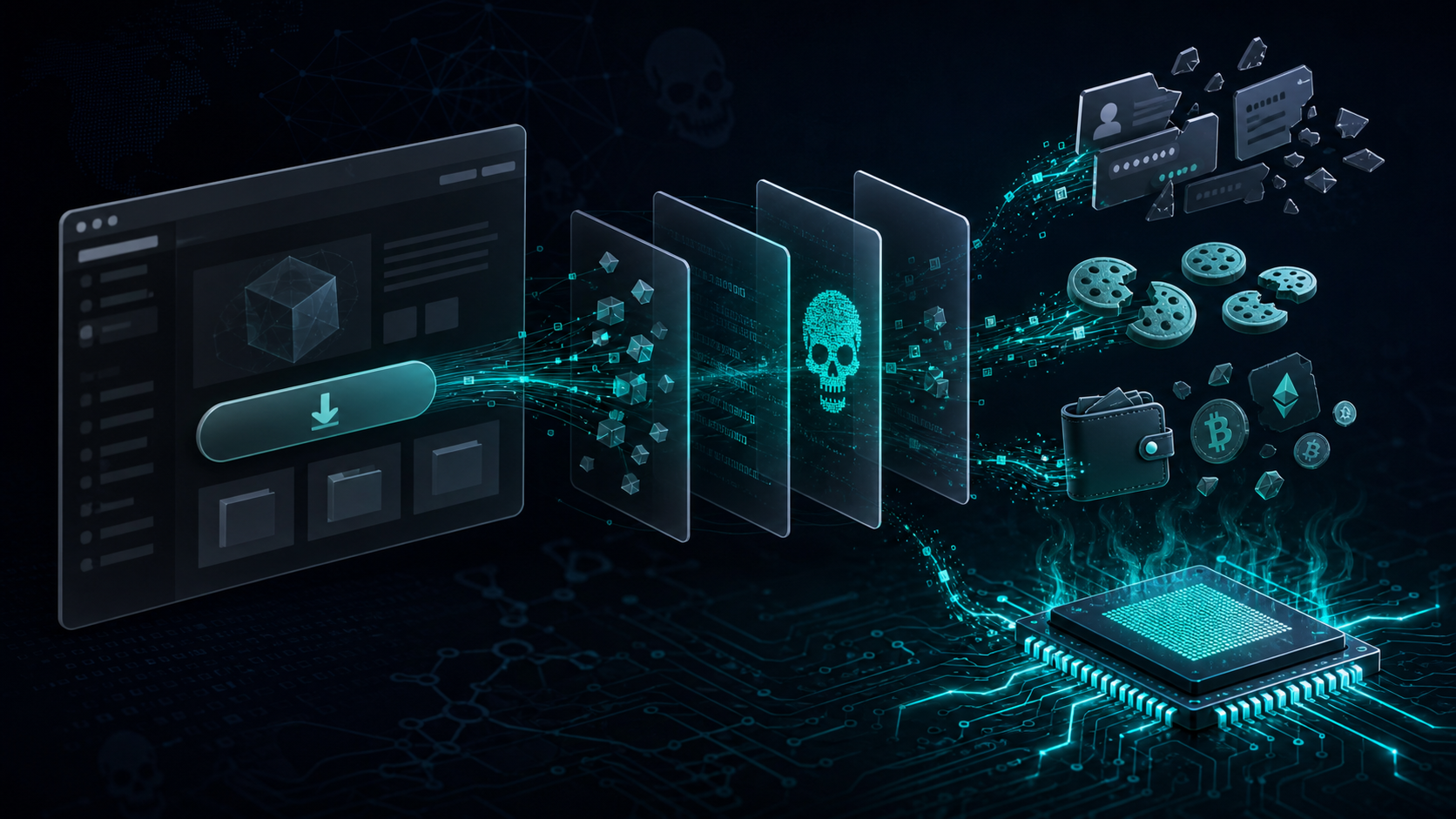
- A clipper and stealer component that monitors clipboard contents, looks for cryptocurrency seed phrases, private keys, and wallet addresses, replaces copied wallet addresses with attacker-controlled values, captures screenshots, and communicates with command infrastructure over Tor.
The Tor design is the part that raises the defensive bar. Instead of calling out to a normal IP address or easy-to-block domain, the malware launches a bundled Tor client, routes traffic through a local SOCKS5 proxy on the infected host, and communicates with an onion service. Microsoft also observed command logic that can execute attacker-supplied script at runtime, moving the campaign from simple theft into continued post-compromise control.
Why this matters for SMBs and government contractors
It is tempting to frame crypto clippers as a consumer problem. That is too narrow. The same behaviors map directly to enterprise risk:
- Removable media is still an access path. Field teams, vendors, labs, facilities staff, and small offices still move files with USB drives. Contractors working around operational technology, field equipment, or segmented environments may see this more often than cloud-only companies.
- Script interpreters remain high-leverage execution tools. WScript, CScript, PowerShell, curl, scheduled tasks, and shortcut files are all legitimate Windows features. That makes them useful to attackers and noisy to control after an incident starts.
- Tor on an endpoint is a strong investigation signal. A local proxy on localhost:9050 combined with script execution, curl, screenshots, or scheduled tasks should be treated as suspicious unless there is a documented business reason.
- Clipboard theft is not limited to crypto wallets. Malware that can inspect clipboard data can capture copied passwords, tokens, API keys, recovery codes, customer identifiers, internal URLs, and other sensitive operational data.
- Financial users are high-value endpoints. Accounting staff, executives, procurement teams, and anyone approving payments should not be treated like ordinary workstations from a monitoring and hardening perspective.
Defensive takeaways
Organizations do not need a crypto-heavy environment to learn from this campaign. The practical control set is broader and very achievable.
1. Restrict shortcut execution from removable media
Disable AutoRun and AutoPlay, but do not stop there. Consider blocking or heavily monitoring .lnk execution from removable drives. If USB usage is required, use a business process that scans drives before use and separates file transfer systems from high-value endpoints.
2. Watch script-to-network process chains
Hunt for script engines spawning network-capable tools or shell utilities. Process chains involving wscript.exe, cscript.exe, powershell.exe, cmd.exe, curl.exe, and scheduled tasks deserve attention when they originate from user-writable directories or removable media.
3. Hunt for local Tor proxy behavior
Connections through localhost:9050, especially when paired with curl command lines or onion-service references, should trigger investigation. Even if Tor is not blocked outright, it should be logged, baselined, and reviewed in context.
4. Harden Windows script execution paths
Review Attack Surface Reduction rules, application control, and endpoint policy around obfuscated scripts, user-writable execution paths, scheduled-task creation, and scripting interpreters. Many small organizations leave these defaults untouched until after an incident.
5. Protect high-risk business workflows
For finance and executive users, reduce unnecessary browser extensions, enforce phishing-resistant MFA where possible, separate payment approval from general browsing, and consider stronger endpoint monitoring. Payment changes, wallet transfers, wire instructions, and vendor banking updates should use out-of-band verification, not copied clipboard values alone.
Bulwark Black assessment
This campaign is a reminder that modern malware does not need a novel zero-day to be dangerous. It can use old tradecraft—USB shortcuts, scheduled tasks, script interpreters—and combine it with anonymized infrastructure and runtime command execution.
For defenders, the answer is not to memorize every hash. The stronger move is to connect behaviors: removable media execution, suspicious shortcut files, script interpreters creating persistence, Tor proxy use on localhost, screenshot capture, and clipboard inspection. Any one event may be explainable. Together, they tell a much clearer story.
SMBs and government contractors should treat this as a tabletop prompt: if a finance workstation, executive laptop, or field operations machine started running scripts from a USB drive and talking through Tor, would the team know within minutes, days, or never? The honest answer is where the next security improvement should start.