


Intel Feed
Cyber Threat IntelligencePage 14
Reports
Reporting archive — page 14
Showing 313–336 of 611 reports
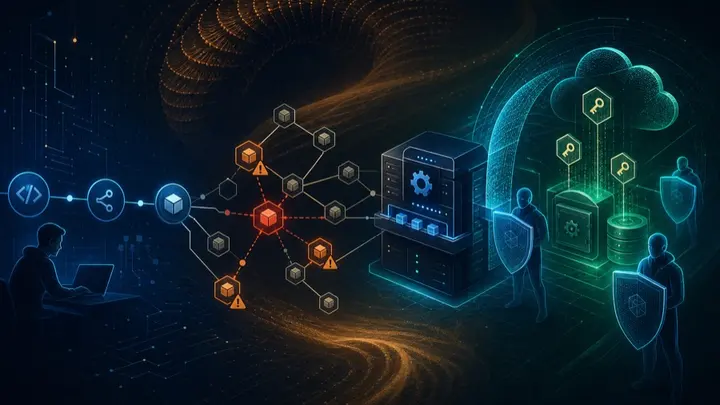
Mini Shai-Hulud Shows CI/CD Secrets Are the Real npm Supply-Chain Prize
Mini Shai-Hulud’s @antv npm compromise shows why dependency malware should be treated as a CI/CD credential-theft threat, not just a package hygiene problem.
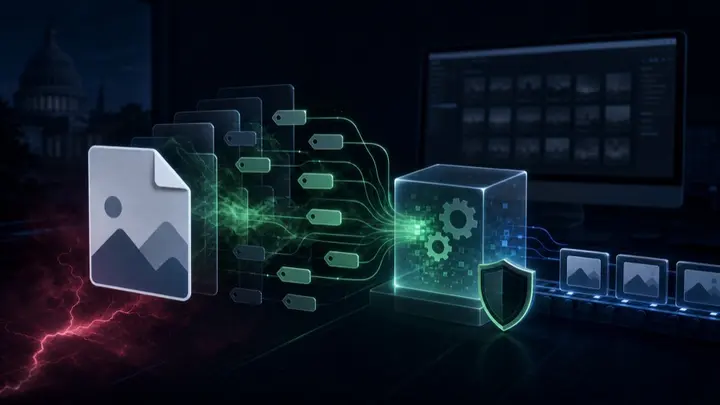
ExifTool CVE-2026-3102 Shows Image Metadata Belongs in the Threat Model
CVE-2026-3102 in ExifTool shows why image metadata processing should be patched, isolated, and monitored like any other untrusted file-ingest path.
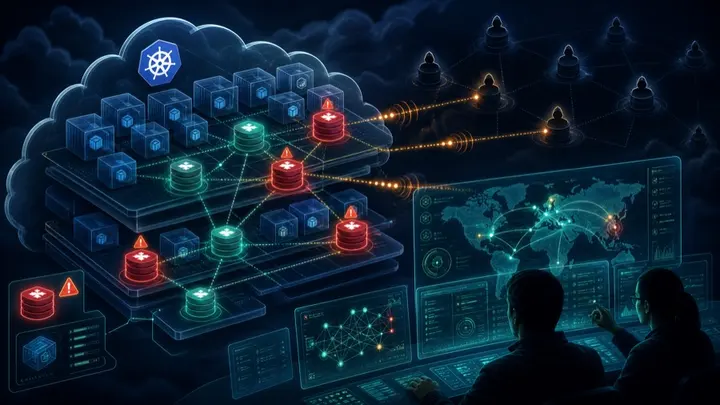
P2Pinfect Shows Exposed Redis in Kubernetes Can Become Dormant Botnet Infrastructure
Fortinet observed P2Pinfect infections inside GKE clusters where exposed Redis instances became long-lived botnet footholds. For SMBs and government contractors, the lesson is clear: cloud misconfiguration, runtime visibility, and egress monitoring matter as much as patching.

Verizon DBIR 2026 Shows Vulnerability Exploitation Is Now the Breach Priority
Verizon’s 2026 DBIR shows vulnerability exploitation overtaking credential abuse as the top breach access vector. Here is what SMBs and government contractors should fix first.
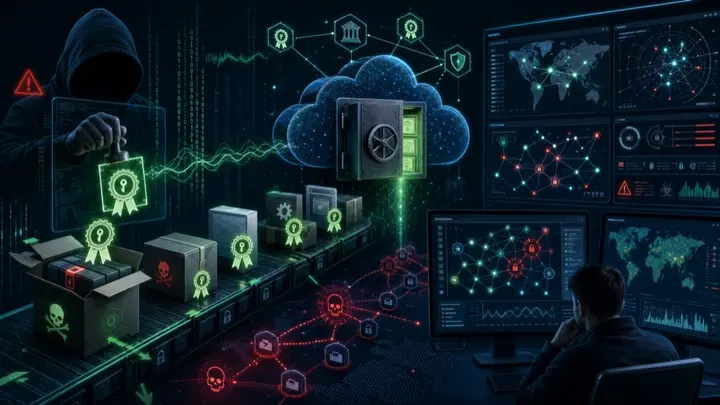
Fox Tempest Shows Code Signing Trust Can Be Weaponized
Microsoft disrupted Fox Tempest, a malware-signing-as-a-service operation that helped ransomware crews make malicious binaries look trusted. Here is what SMBs and government contractors should review now.
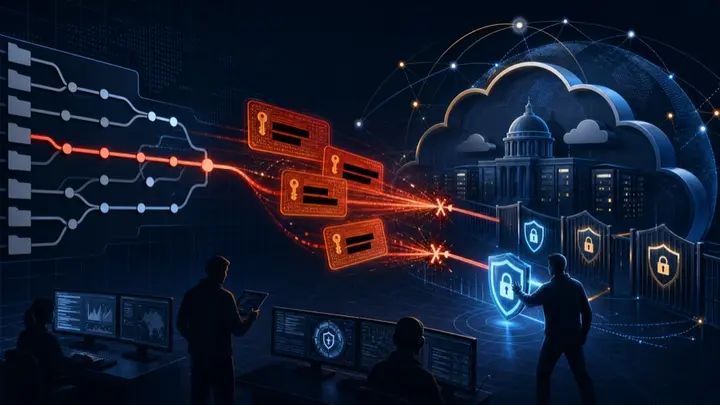
CISA GovCloud Leak Shows Secret Scanning Cannot Be Optional
A reported CISA contractor GitHub leak shows why secret scanning, token rotation, and CI/CD hardening need to be enforced controls, not optional developer hygiene.
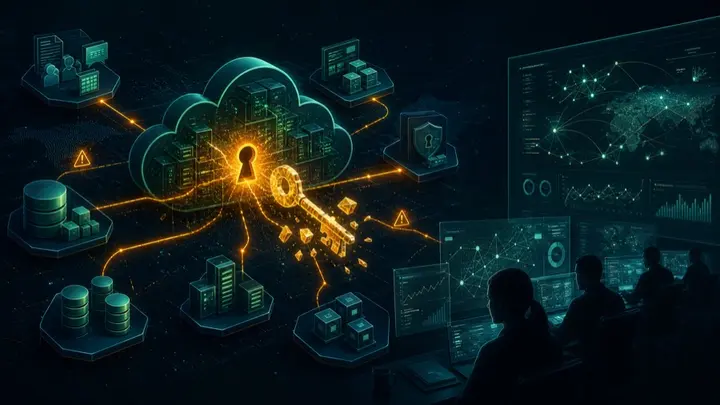
Storm-2949 Shows Cloud Breaches Start With Identity, Not Malware
Microsoft’s Storm-2949 case study is a clean warning for SMBs and government contractors: once cloud identity and control-plane access are compromised, attackers can steal data without deploying traditional malware.
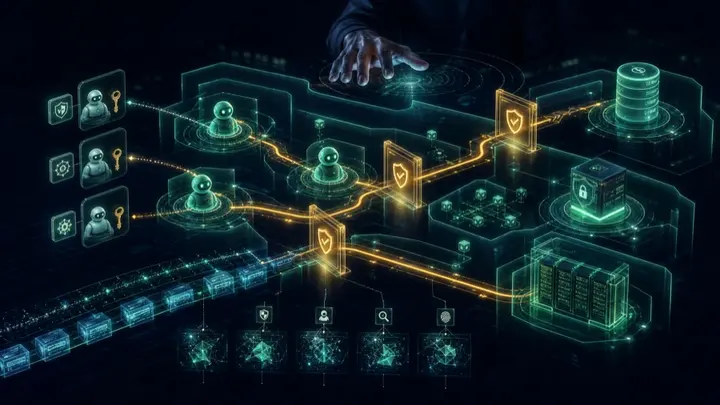
AI Agent Governance Is Becoming a Security Control, Not a Nice-to-Have
AI agents now operate with real credentials inside business systems. Here is how SMBs and government contractors should govern identity, authority, action, and evidence before agentic workflows become unmanaged risk.
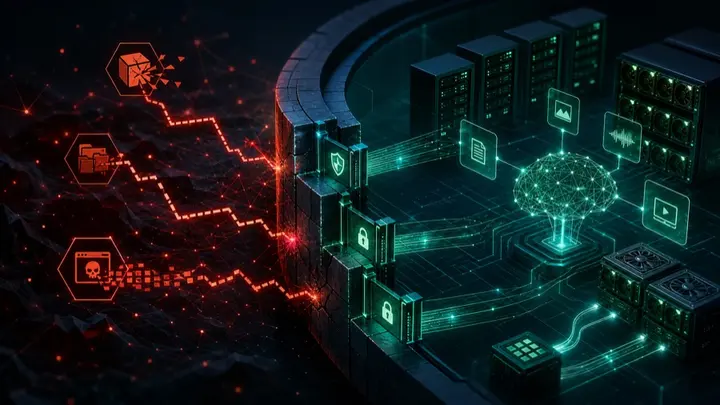
SGLang RCE Flaws Show AI Inference Servers Need Real Network Isolation
CERT/CC disclosed three SGLang vulnerabilities affecting AI inference deployments, including remote code execution and path traversal risks. Here is what SMBs and government contractors should do now.
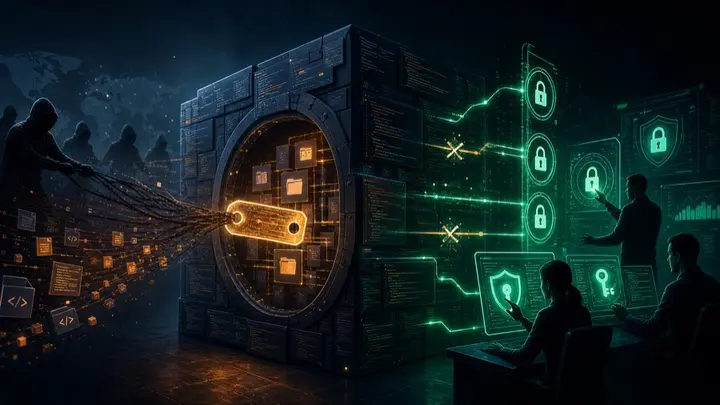
Grafana GitHub Token Breach Shows Why Source Code Access Needs Guardrails
Grafana disclosed unauthorized GitHub access tied to a leaked token and codebase download. Here is what SMBs and government contractors should tighten around source-code access, CI/CD tokens, and extortion readiness.

AI Literacy Needs Fundamentals: Teaching Technology in the Real World
Albert LaScola reflects on teaching database systems, governance, risk management, and AI literacy through a fundamentals-first approach shaped by Navy operations, security work, Bulwark Black, and Rural Tech and Support.
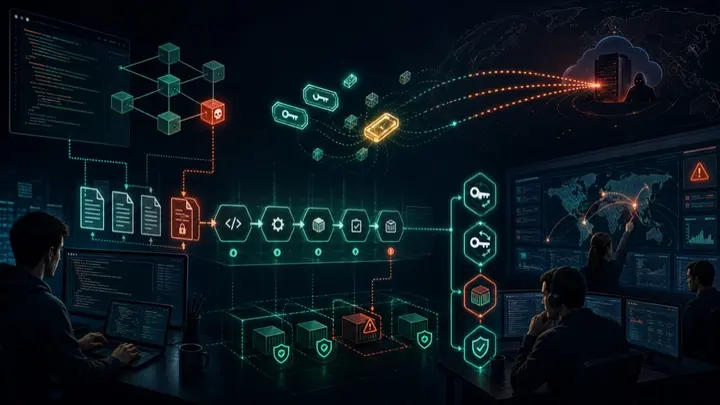
node-ipc Backdoor Shows Why CI Secrets Need Supply Chain Controls
Malicious node-ipc npm releases turned a package update into a credential-exposure event. Here is what SMBs and government contractors should check first.
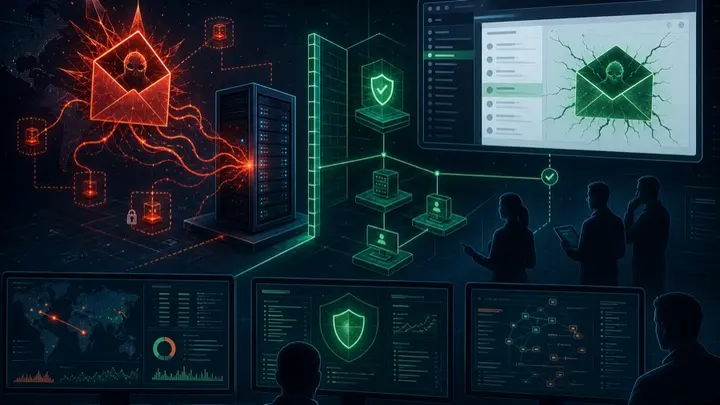
Exchange OWA Zero-Day Shows Why Email Servers Need Emergency Mitigation
CISA added Microsoft Exchange Server CVE-2026-42897 to KEV after evidence of active exploitation. For SMBs and government contractors, the lesson is simple: internet-facing email infrastructure needs emergency mitigation playbooks before the patch lands.
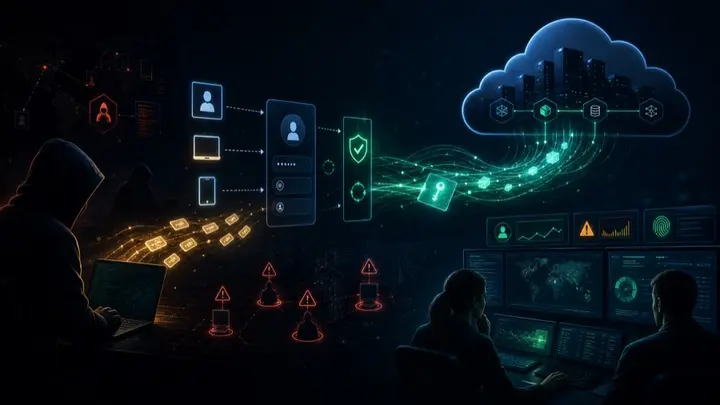
Device Code Phishing Turns Legitimate Login Flows Into Token Theft
Device code phishing is scaling because it abuses legitimate OAuth flows instead of simply stealing passwords. Here is what SMBs and government contractors should review now.
Recent Linux Kernel Exploits Make Attack Surface Reduction a Practical Priority
Recent Linux kernel exploit discussions show why SMBs and government contractors should reduce unused modules and services, not just wait for patches.
PawsRunner Steganography Shows Infostealers Are Hiding in Plain Sight
FortiGuard Labs reports PureLogs is being delivered through PawsRunner steganography. Here is what SMBs and government contractors should watch for defensively.
BlackFile Vishing Campaign Shows Why MFA Alone Is Not Enough
GTIG reports UNC6671 / BlackFile is using vishing, AiTM phishing, and SaaS data theft to extort organizations. Here is what SMBs and government contractors should harden now.
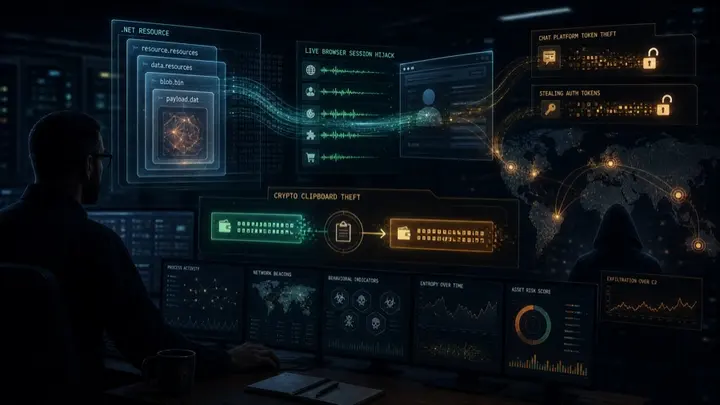
Gremlin Stealer Shows Why Browser Sessions Are Now High-Value Targets
Unit 42 reports Gremlin Stealer has evolved with resource-file obfuscation, session hijacking, Discord token theft, and crypto clipboard fraud. Here is what SMBs and government contractors should do defensively.
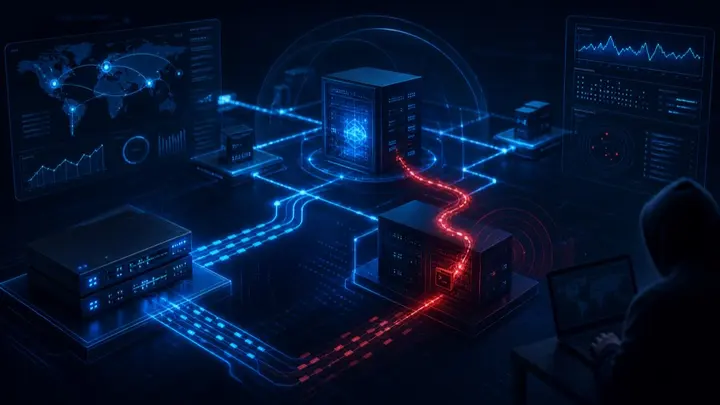
Cisco SD-WAN Exploitation Shows Edge Controllers Need Emergency Review
Cisco Talos reports active exploitation of Catalyst SD-WAN authentication bypass and related vulnerabilities. Here is what SMBs and government contractors should prioritize now.
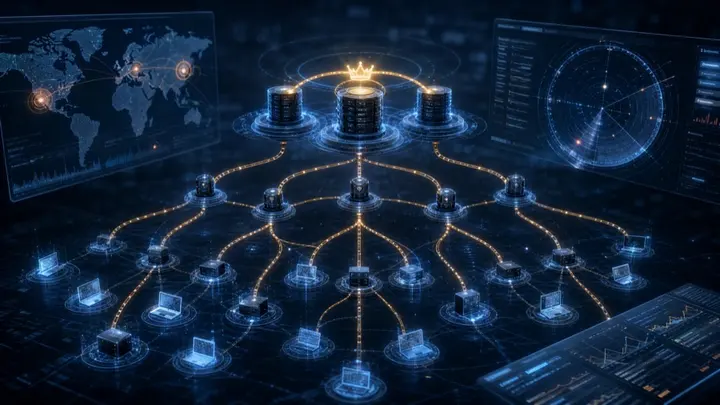
Kazuar Shows Russian Espionage Malware Is Engineering for Resilience
Microsoft reports that Kazuar, attributed to Russian state actor Secret Blizzard, has evolved into a modular P2P botnet. Here is what SMBs and government contractors should take from it defensively.

Exposed AI Apps Turn Misconfiguration Into RCE Risk
Microsoft warns that publicly exposed AI apps, MCP servers, and Kubernetes-hosted agent tooling can turn weak defaults into practical paths for RCE, credential theft, and data exposure.
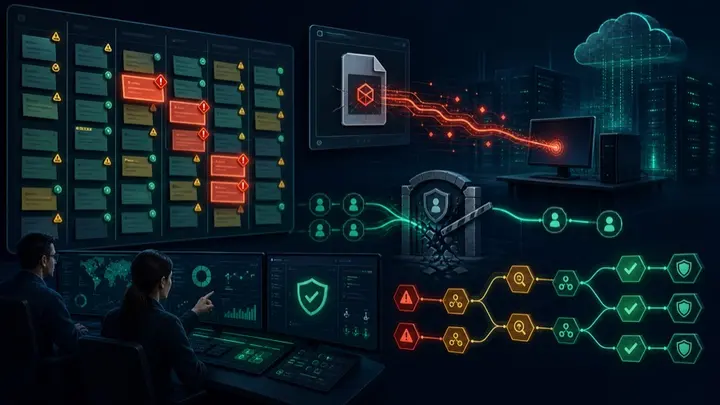
May 2026 Patch Tuesday: How SMBs Should Prioritize 132 Microsoft CVEs
Microsoft’s May 2026 Patch Tuesday shipped 132 CVEs. Here is how SMBs and government contractors should prioritize identity, server, and Office risks first.

The Gentlemen RaaS Leak Shows Ransomware Is Still an Edge-Device Problem
Check Point’s look inside The Gentlemen ransomware operation is a useful reminder for SMBs and government contractors: exposed edge appliances, weak identity controls, and unmanaged remote access paths still drive real ransomware risk.
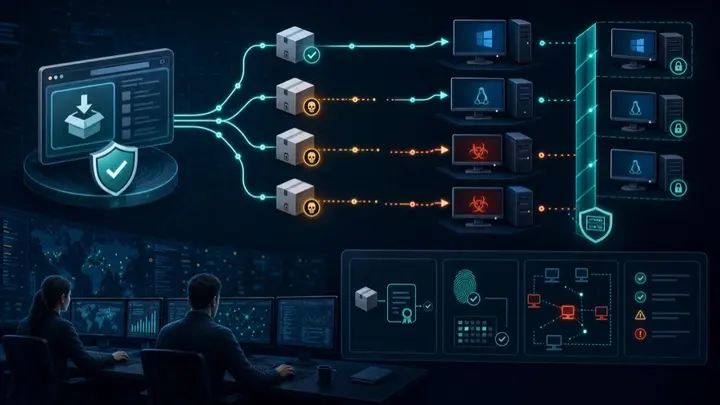
JDownloader Site Compromise Shows Why Trusted Downloads Still Need Verification
Attackers swapped selected JDownloader website download links with malicious installers. Here is what SMB and government-contractor defenders should do about trusted-download risk.