


Showing 97–120 of 180 reports

IMA Diligence Breach Shows Legacy Servers Are Still Third-Party Risk
A reported IMA Diligence breach affecting more than 525,000 people shows why legacy third-party servers need ownership, monitoring, decommissioning, and data-risk review.

C0XMO Shows IoT Botnets Are Still an Edge Exposure Problem
Fortinet researchers detailed C0XMO, a Gafgyt variant spreading through DD-WRT and other exposed devices. Here is what SMBs and government contractors should lock down before compromised routers become DDoS infrastructure.

TA4922’s Global Expansion Shows HR and Tax Lures Are Initial Access Infrastructure
Proofpoint’s TA4922 reporting shows how localized HR, payroll, tax, and invoice lures can become full initial-access infrastructure through DLL sideloading, loaders, RATs, RMM tools, and browser credential theft.
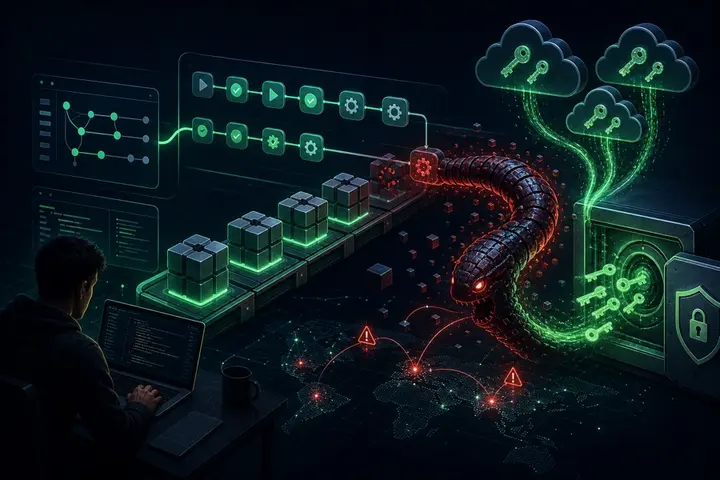
Red Hat’s Miasma npm Compromise Shows Trusted Publishing Is Not a Control Boundary
A Red Hat Cloud Services npm compromise shows why signed releases and trusted publishing must be paired with install-time controls, CI/CD isolation, and fast credential rotation.

AI-Assisted Ransomware Tooling Shows EDR Evasion Is Now an Iteration Problem
Sophos observed ransomware-linked operators using AI-assisted development workflows to accelerate EDR evasion testing and Active Directory discovery. The defensive lesson: validate controls, harden identity, and monitor behavior before attackers iterate around your tooling.

FlutterBridge Shows Why macOS Malvertising Is Backdoor Delivery, Not Just Adware
Unit 42’s FlutterBridge research shows macOS malvertising evolving from adware into FlutterShell backdoor delivery. Here is what SMBs and government contractors should tighten first.
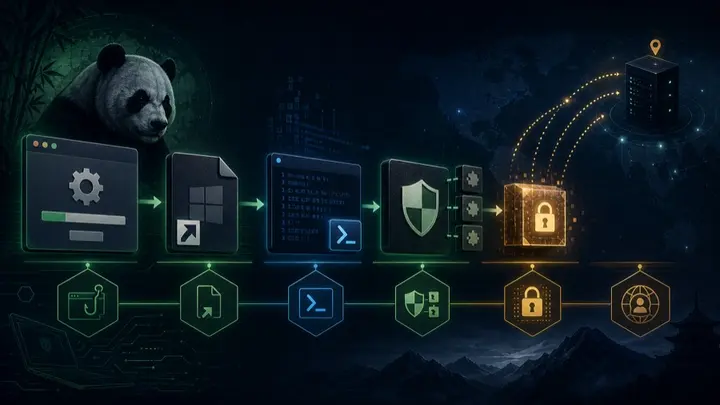
Mustang Panda’s Fake Browser Updater Shows Why LNK Files Still Matter
Mustang Panda’s fake browser updater chain shows why defenders still need to hunt LNK-to-PowerShell execution, DLL sideloading, user-context persistence, and suspicious HTTPS beaconing.

FortiClient EMS Exploitation Turns Endpoint Management Into an Infostealer Delivery System
Attackers are abusing CVE-2026-35616 in FortiClient EMS to push a credential stealer through trusted endpoint management workflows. Here is what defenders should check first.

SolyxImmortal Shows Why Python Infostealers Are a Business Risk, Not Just Malware Noise
SolyxImmortal combines persistence, browser credential theft, document collection, screenshots, keylogging, and webhook exfiltration. Here is what SMB and government-contractor defenders should do about it.

Showboat and JFMBackdoor Show Telecom Intrusions Are Built for Pivoting
Lumen and PwC reporting on Showboat, Red Lamassu, and JFMBackdoor shows how China-linked telecom intrusions combine Linux footholds, proxying, and Windows backdoors. Here is what SMBs and government contractors should harden now.

SideCopy’s XenoRAT Campaign Shows Why Localized Lures Beat Generic Phishing Defenses
SideCopy/APT36 targeted Afghanistan finance officials with Pashto-language lures and XenoRAT. Here is what SMBs and government contractors should take from the campaign.

Dependency Confusion Campaign Shows Reconnaissance Is the First Supply-Chain Payload
Microsoft found 33 malicious npm packages abusing dependency confusion to profile developer and build environments. The defender lesson: treat package installation as code execution and lock down internal namespace hygiene before attackers do reconnaissance at scale.

Poisoned Search and AI Recommendations Turn Utility Downloads Into RMM Access
Microsoft reported a cryptojacking campaign that uses poisoned search results, AI-surfaced software recommendations, fake utility downloads, and abused ScreenConnect access. Here is what SMBs and government contractors should defend first.

Megalodon GitHub Actions Backdoor Shows CI/CD Is Now a Credential Battlefield
The Megalodon GitHub campaign shows why CI/CD pipelines must be treated like production infrastructure: malicious workflow commits can harvest cloud credentials, OIDC tokens, SSH keys, and package secrets at scale.
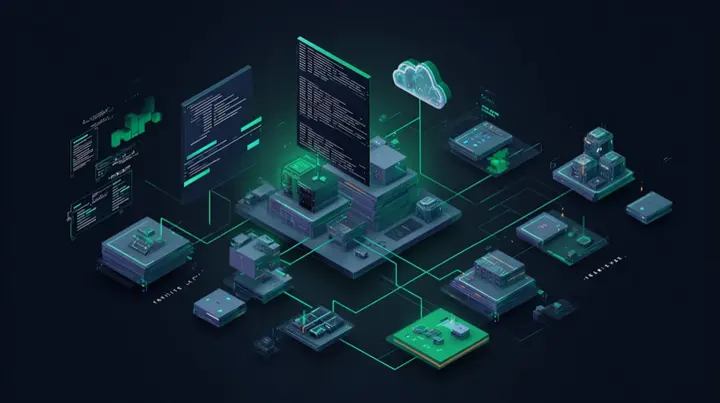
Laravel-Lang Compromise Shows Dependency Tags Can Be Weaponized
A Laravel-Lang package compromise shows why trusted dependency tags, Composer autoload behavior, and runtime secrets need security monitoring—not just engineering review.

Cl0p’s South Staffs Water Case Shows SOC Coverage Must Be Proven
The South Staffordshire Water breach shows why outsourced SOC coverage, legacy server risk, and vulnerability management must be proven—not assumed—for SMBs, utilities, and government contractors.

Void Dokkaebi’s InvisibleFerret Shift Shows Developer Endpoints Are Production Risk
Trend Micro reports North Korea-aligned Void Dokkaebi has moved InvisibleFerret into Cython-compiled Python extension modules. For SMBs and government contractors, the real risk is developer endpoint access to CI/CD, cloud, and production secrets.

Nimbus Manticore Shows Iranian APTs Are Moving Faster With AI-Assisted Tooling
Check Point Research reports that IRGC-affiliated Nimbus Manticore resurfaced with fake Zoom and SQL Developer lures, SEO poisoning, AppDomain hijacking, and a new MiniFast backdoor. Here is what SMBs and government contractors should tighten first.

Kimwolf Arrest Shows DDoS Risk Starts on Forgotten IoT
The alleged Kimwolf botmaster arrest is a useful reminder for SMBs and government contractors: DDoS resilience starts with asset visibility, upstream protection, and hardening forgotten IoT and edge devices.

TamperedChef Shows Signed Productivity Apps Cannot Be Trusted by Default
TamperedChef-style malware hides inside convincing signed productivity apps. Here is what SMBs and government contractors should do about it.
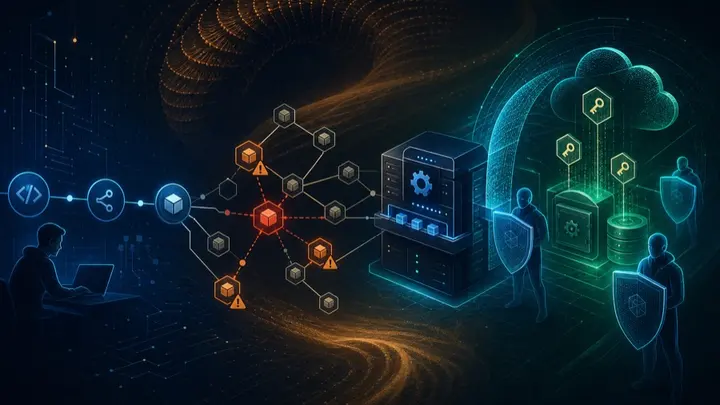
Mini Shai-Hulud Shows CI/CD Secrets Are the Real npm Supply-Chain Prize
Mini Shai-Hulud’s @antv npm compromise shows why dependency malware should be treated as a CI/CD credential-theft threat, not just a package hygiene problem.
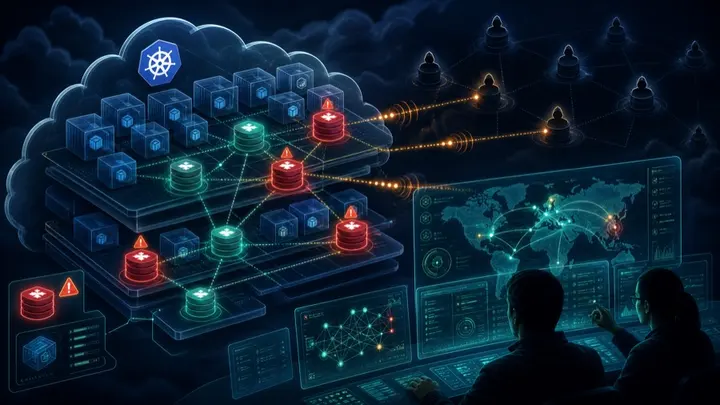
P2Pinfect Shows Exposed Redis in Kubernetes Can Become Dormant Botnet Infrastructure
Fortinet observed P2Pinfect infections inside GKE clusters where exposed Redis instances became long-lived botnet footholds. For SMBs and government contractors, the lesson is clear: cloud misconfiguration, runtime visibility, and egress monitoring matter as much as patching.

Fox Tempest Shows Code Signing Trust Can Be Weaponized
Microsoft disrupted Fox Tempest, a malware-signing-as-a-service operation that helped ransomware crews make malicious binaries look trusted. Here is what SMBs and government contractors should review now.

node-ipc Backdoor Shows Why CI Secrets Need Supply Chain Controls
Malicious node-ipc npm releases turned a package update into a credential-exposure event. Here is what SMBs and government contractors should check first.