


Intel Feed
Cyber Threat IntelligencePage 7
Reports
Reporting archive — page 7
Showing 145–168 of 611 reports

JSCeal Shows Why Compiled Script Malware Needs Bytecode-Aware Defense
Check Point’s JSCeal research shows how compiled V8 bytecode can hide credential theft, browser theft, and local traffic interception from normal JavaScript inspection workflows.

Watershed 250 Shows Water Cybersecurity Needs Practical Field Tests
Project Watershed 250 is a practical test of water-sector cyber defense. The real value will be turning pilot work into repeatable playbooks for small utilities, SMBs, and government contractors.

Fire Ant Shows Why Trusted Infrastructure Needs First-Class Detection
Sygnia’s Fire Ant report shows how routers, TACACS, tunnels, and Linux management hosts can become attacker-controlled infrastructure. The defensive priority is treating the management plane as a monitored, hardened asset class.

LLM Safety Fragility Shows Why AI Workflows Need Runtime Guardrails
Unit 42 research on perturbation probing shows why built-in model alignment should be treated as one control layer, not the security boundary for enterprise AI workflows.

rsyslog Buffer Overflow Shows Why Logging Pipelines Need Availability Controls
CVE-2026-78002 can crash rsyslogd in exposed configurations that transform untrusted log data. The defensive priority is patching network-facing collectors, reviewing RainerScript rules, and monitoring log-pipeline health.
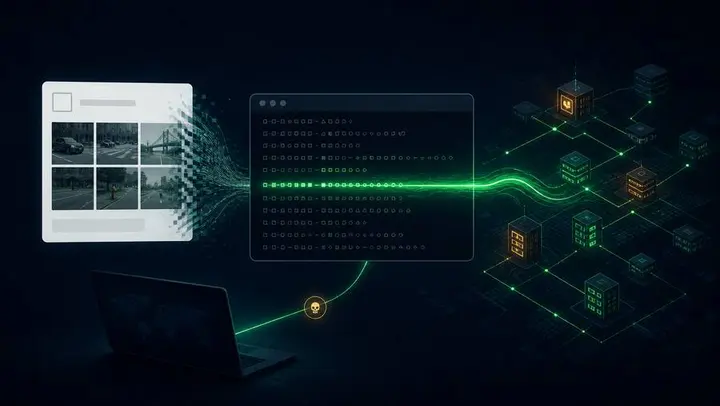
TerminalFix Shows Why Fake CAPTCHA Lures Are Network Access Problems
Microsoft’s TerminalFix campaign turns fake CAPTCHA social engineering into DLL sideloading, persistence, Active Directory reconnaissance, and reverse-tunnel access. The lesson for SMBs and government contractors: compromised workstations can become internal proxy nodes.

ServiceNow AI Platform Flaws Show Why SaaS Control Planes Need Emergency Patch Discipline
Three CVSS 10.0 ServiceNow AI Platform vulnerabilities show why enterprise SaaS platforms need emergency patch discipline, exposure review, and control-plane monitoring — especially for self-hosted or partner-managed instances.
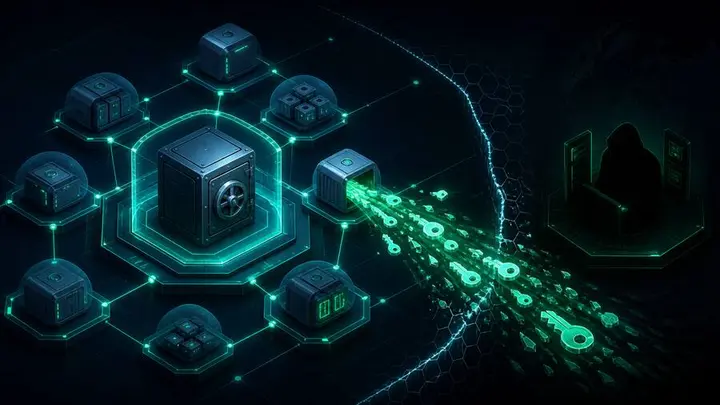
Vault Secrets Operator Flaw Shows Why Kubernetes Controllers Need Egress Control
CVE-2026-8715 in HashiCorp Vault Secrets Operator shows how tenant-controlled custom resources can become a Kubernetes control-plane risk when privileged controllers lack tight input and egress boundaries.
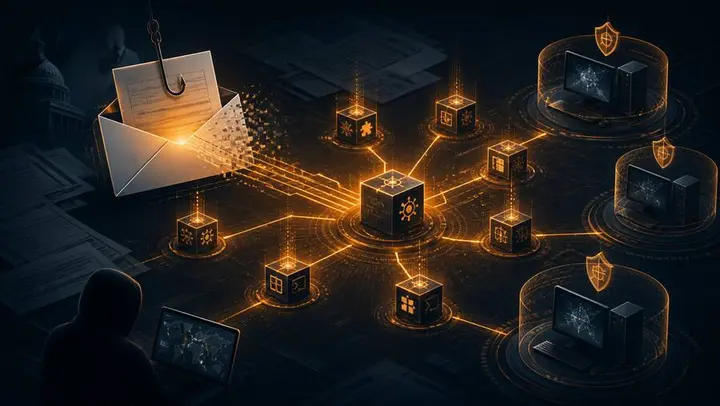
PackClient Shows Why Phishing Defense Needs Execution Controls
Proofpoint reported TA4922 using PackClient in tax-themed phishing campaigns. The defensive lesson for SMBs and government contractors is to control the execution chain after the click.

macOS Screen Sharing Exploitation Shows Why Remote Access Needs Exposure Control
CVE-2026-65400 is being exploited against internet-exposed Macs running Screen Sharing. For SMBs and government contractors, this is a remote-access exposure problem, not just an Apple patch problem.
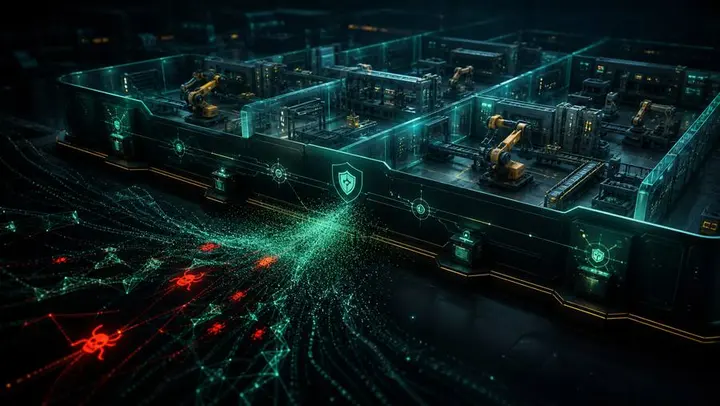
AI-Assisted Exploits Make OT Reachability the Real Control
AI-assisted exploit development is lowering the skill barrier for attacks against factory controllers. For SMBs and government contractors, the practical defense is shrinking what can reach OT assets.
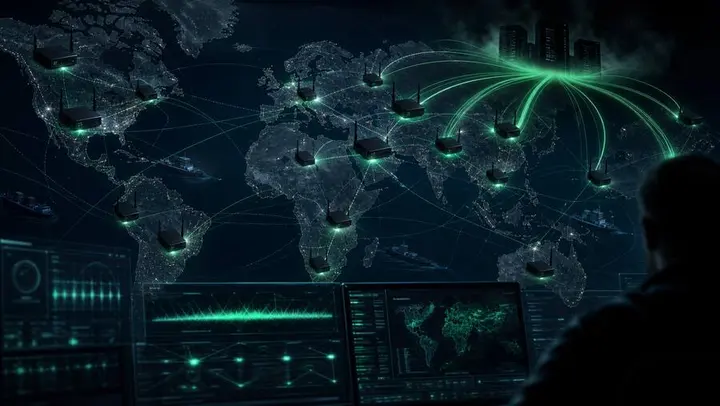
White-Label Router Backdoors Show Why Edge Provenance Matters
ZBT white-label router backdoors are a reminder that SMBs and government contractors need real edge-device provenance, egress monitoring, and procurement controls.
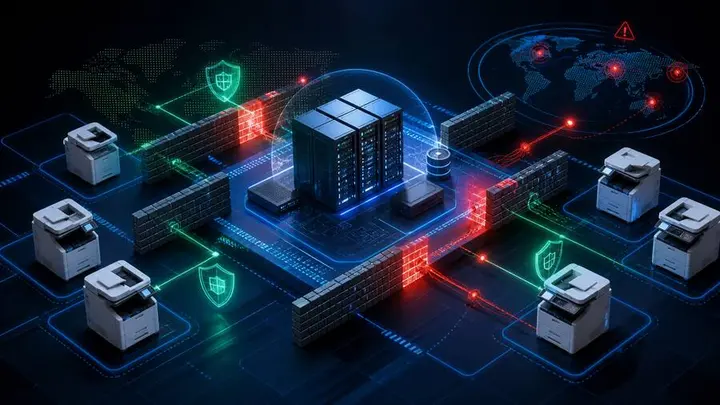
PaperCut Zero-Day Exploitation Shows Why Print Servers Need Edge-Asset Discipline
PaperCut warned that NG/MF servers are being exploited in zero-day attacks. For SMBs and government contractors, public print-management servers need the same containment, patching, and compromise-assessment discipline as other edge assets.
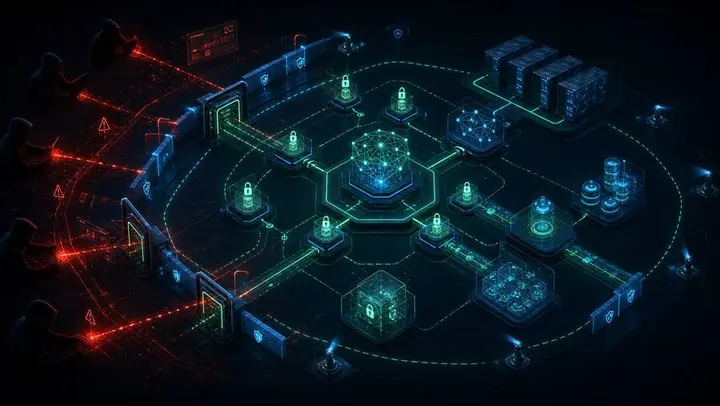
AI Infrastructure Is Becoming a Control Plane Attack Surface
Microsoft observed attackers targeting AI gateways, RAG platforms, and workflow orchestrators. For SMBs and government contractors, AI infrastructure now needs control-plane security discipline.

QScan and QTRouter Show Why Proxy Infrastructure Is an Espionage Force Multiplier
The FBI/DOJ disruption of QScan and QTRouter shows how China-linked operators turn reconnaissance and proxy routing into reusable espionage infrastructure.
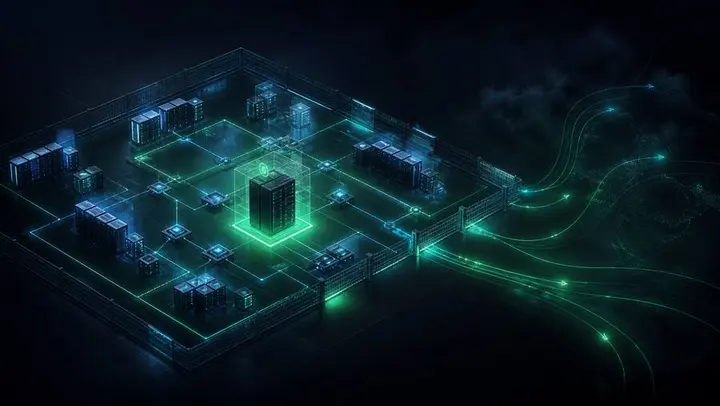
vCenter Exploitation Shows Patching Alone Is Not Incident Response
Active exploitation of CVE-2026-59310 shows why VMware vCenter patching must be paired with compromise assessment, egress controls, and management-plane segmentation.

Edge Infrastructure Convergence Shows Why Perimeter Devices Need Their Own Patch SLAs
SentinelOne and Tenable found that state-backed actors and ransomware crews converge on the same perimeter products. For SMBs and government contractors, edge devices need dedicated patch SLAs, exposure monitoring, and compromise review.

Signed ClickOnce Lures Show Why Hiring Workflows Need Endpoint Guardrails
A fake Web3 interview chain used signed ClickOnce delivery to deploy credential stealers and a Go hVNC RAT. Here is what SMBs and government contractors should tighten now.
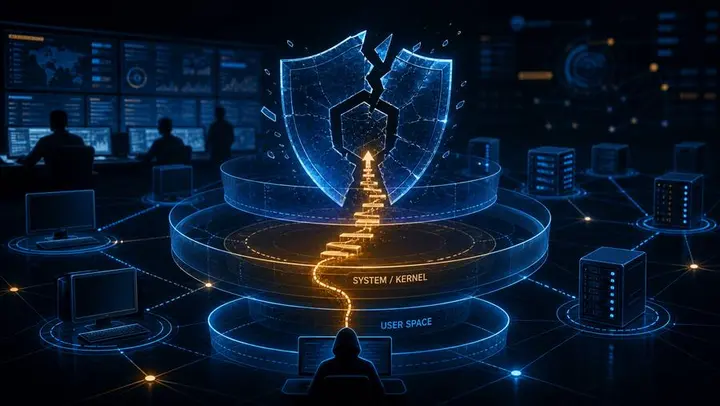
ShieldBreak Shows Why Endpoint Protection Needs Compensating Controls
CVE-2026-69414 is a Microsoft Defender privilege-escalation zero-day with public PoC and no patch yet. Here is how defenders should handle the exposure gap.

AI-Enabled Malware Still Behaves Like Malware
Unit 42’s telemetry shows most AI-enabled malware remains experimental, but the real risk is faster iteration and AI-branded delivery. Defenders still win by watching behavior, identity, signing, and execution.

Private APNs Are Becoming OT Attack Paths
CERT Polska’s energy-sector follow-up shows how private APN connectivity can become an OT pivot path. Private LTE and 5G need segmentation, inventory, and monitoring—not blind trust.
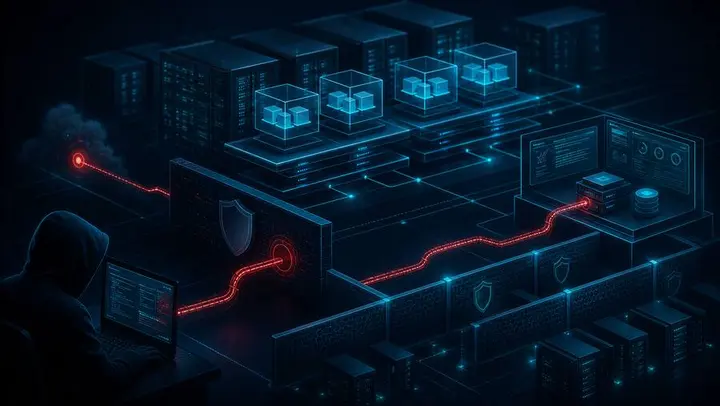
vCenter Exploitation Shows Why Control Planes Need Containment
Active exploitation of CVE-2026-59310 shows why vCenter needs more than fast patching: control-plane containment, egress limits, and compromise assessment matter.

Apollo Breach Shows Why Helpdesk Vishing Is a Cloud-Control Problem
Apollo confirmed a cloud breach after helpdesk-style social engineering. The defensive lesson: treat MFA resets, passkey enrollment, and SaaS downloads as control-plane events.

BTR.sys Shows Why Trusted Security Drivers Need Behavioral Monitoring
Check Point Research shows how Microsoft Defender’s boot-time remediation driver can be repurposed for privileged file and registry operations. The defensive lesson is simple: monitor trusted security components by behavior, not signature alone.