


Intel Feed
Cyber Threat IntelligencePage 9
Reports
Reporting archive — page 9
Showing 193–216 of 611 reports

CI Fortify Shows Why OT Isolation Must Be Engineered Before the Incident
New CI Fortify OT isolation guidance turns prepare-to-disconnect planning into an engineering test: can vital systems be isolated fast while essential services keep running?
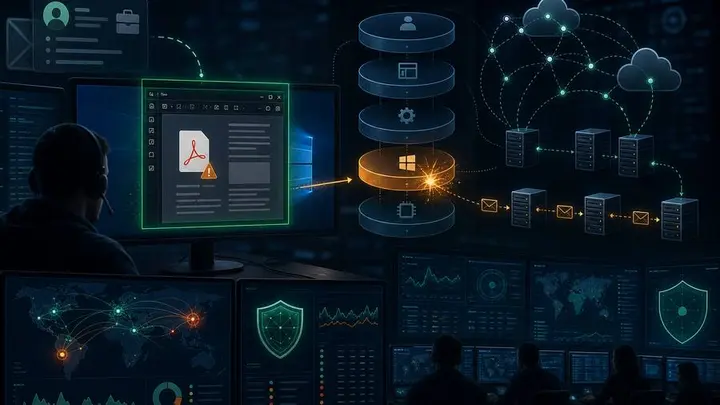
Lazarus Dream Job Campaign Turns Fake Recruiting Into a Windows Zero-Day Intrusion
Check Point Research reports a new Lazarus Operation Dream Job wave using fake recruiting lures, trojanized PDF tooling, Microsoft Graph/OneDrive C2, Roundcube relay infrastructure, and the patched CVE-2026-68820 Windows AFD.sys zero-day.

Deno Runtime Abuse Shows Why Developer Tooling Needs Security Governance
Sophos MDR observed attackers bringing the legitimate Deno runtime into intrusions to execute malicious JavaScript through less-monitored paths. Here is what SMBs and government contractors should monitor.
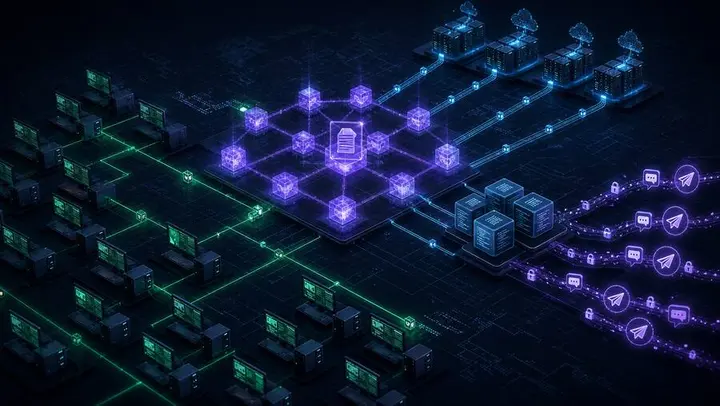
Aeternum Shows Why Blockchain-Based C2 Is a Practical Defense Problem
Aeternum uses Polygon smart contracts, GitHub staging, and Telegram exfiltration to make botnet command-and-control more resilient. Here is what SMBs and government contractors should watch for.
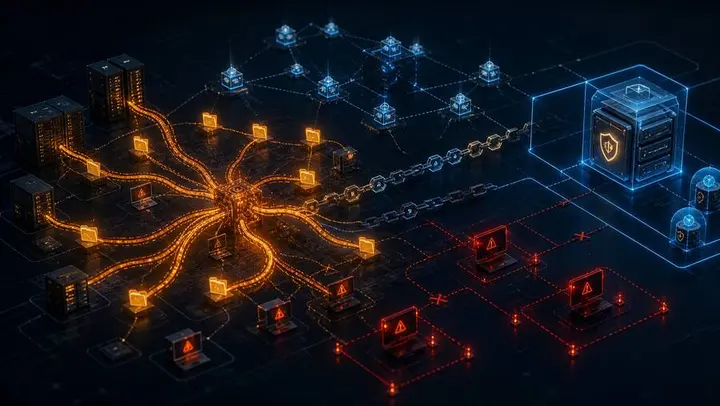
DeadLock Ransomware Shows Why Recovery Infrastructure Is Part of the Attack Surface
Microsoft’s DeadLock ransomware analysis shows why SMBs and government contractors need to protect backups, logs, identity, and recovery workflows before encryption starts.
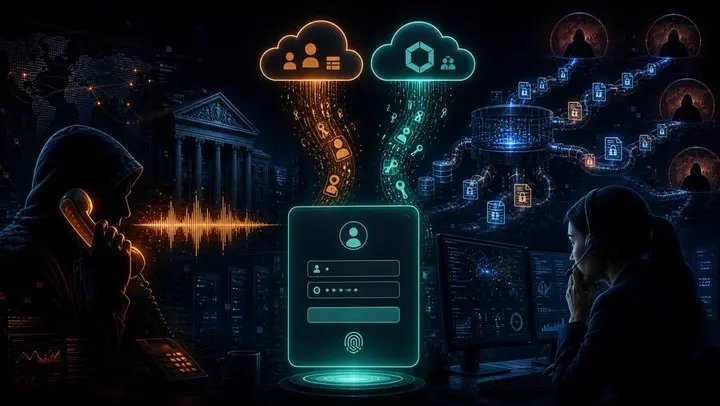
UNC6671 Shows Why Helpdesk Vishing Is a Cloud Data-Theft Problem
Google Threat Intelligence reports UNC6671 is using helpdesk vishing, AiTM portals, and SaaS exfiltration across multiple extortion brands. Here is what SMBs and government contractors should do now.
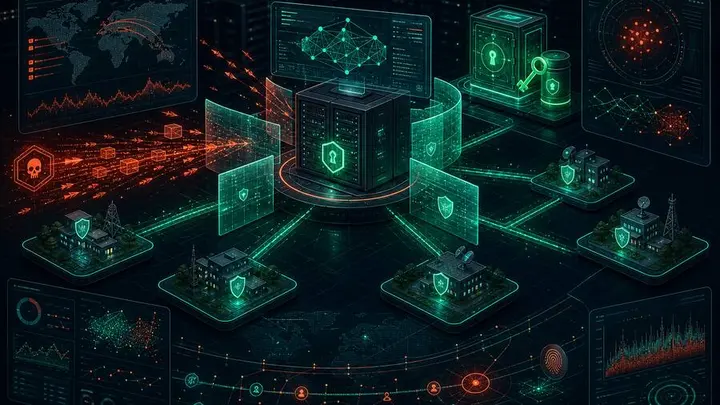
VeloCloud Orchestrator RCE Shows Why SD-WAN Controllers Need Incident Response
CVE-2026-16812 is an actively exploited CVSS 10.0 command-injection flaw in on-premises Arista VeloCloud Orchestrator. For defenders, this is not just a patching issue — it is SD-WAN management-plane incident response.

MSI Router Command-Injection Cluster Shows Why Edge Devices Need Exposure Control
A fresh cluster of critical MSI Radix AXE6600 command-injection CVEs shows how consumer and prosumer edge devices can become root-level footholds when management features are reachable from untrusted networks.
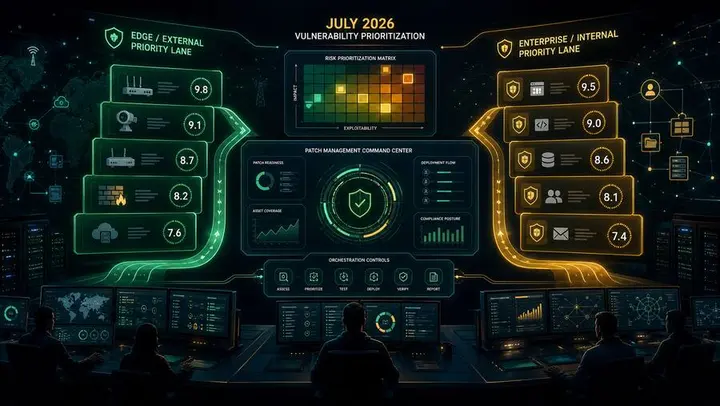
July CVE Data Shows Why Patch Priority Needs Threat Context
Recorded Future’s July 2026 CVE landscape shows a crowded exploitation picture: 85 high-impact vulnerabilities, heavy RCE exposure, public PoCs, and attackers still abusing old edge and application flaws. Here is how SMBs and government contractors should prioritize patching.

ExfilSquad Shows Why CRM and Portal Data Need Extortion-Ready Controls
ExfilSquad’s reported use of torrent-based leak distribution shows why CRM, helpdesk, public portal, and AI support data need stronger access controls, export monitoring, and extortion-ready incident response.
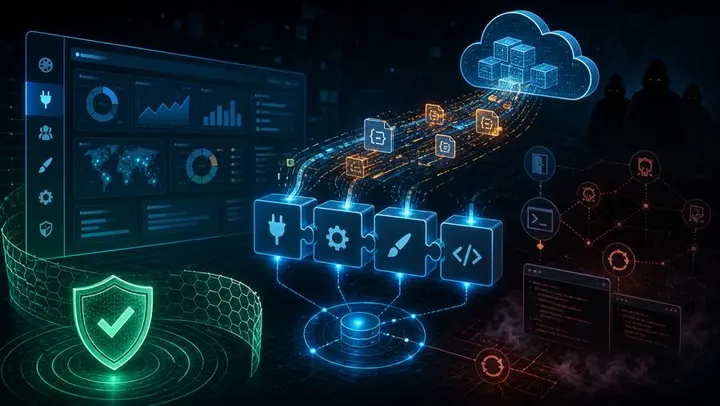
BdThemes Compromise Shows Why WordPress Plugin Risk Extends Beyond Code Updates
Wordfence reported a BdThemes supply-chain compromise where poisoned remote JSON turned WordPress admin notices into an attack path. Here is what SMBs and government contractors should check now.

Cloudflare workerd Bugs Show Why Agent Sandboxes Need Real Defense-in-Depth
Check Point Research disclosed five workerd vulnerabilities affecting Cloudflare Code Mode and Workers isolation assumptions. Here is what SMBs and government contractors should do now.
Langflow RCE Shows Why AI Workflow Tools Need Cloud-Grade Isolation
CVE-2026-0770 turns Langflow code validation into remote code execution risk. For SMBs and government contractors, exposed AI workflow tools need patching, secret rotation, isolation, and post-compromise review.
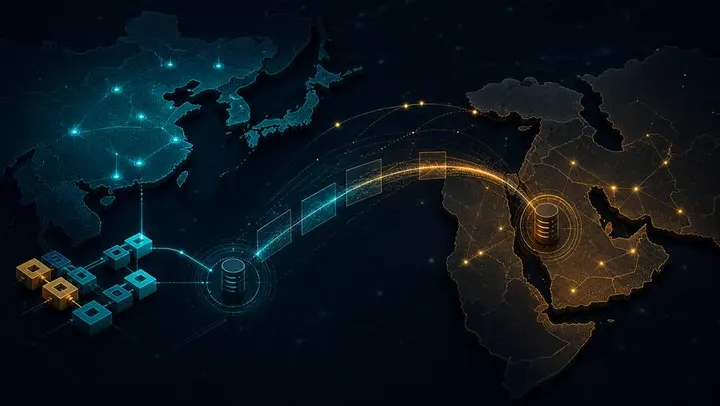
BINDCLOAK Shows Why C2 Detection Needs Message-Level Visibility
Zscaler ThreatLabz detailed BINDCLOAK, a modular backdoor used after TELESHIM and MIXEDKEY in targeted government intrusions. The defensive lesson: endpoint visibility, token-use monitoring, DLL side-loading detection, and outbound C2 inspection all need to work together.

Passkey Attacks Show Why Passwordless Still Needs Endpoint Defense
Unit 42’s passkey research shows why passwordless authentication still depends on endpoint health, relying-party validation, and recovery-flow hardening. Here is what SMBs and government contractors should do next.
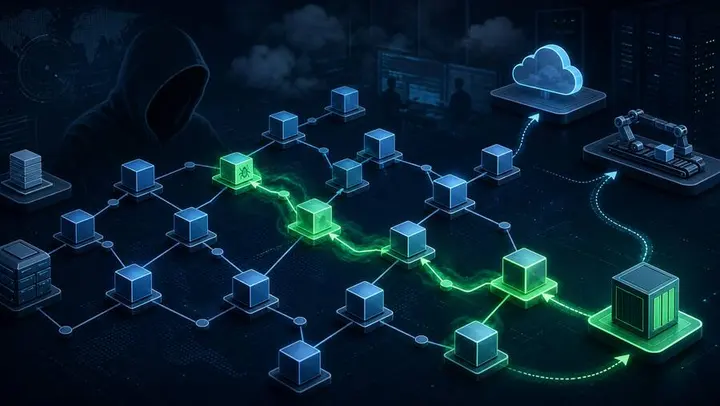
DPRK npm Compromises Show Why Dependency Trust Is Now Identity Risk
Amazon linked compromises of popular npm packages to a DPRK-linked actor. The defensive lesson for SMBs and government contractors: dependency risk is no longer just code review — it is maintainer identity, build-pipeline behavior, and runtime trust.
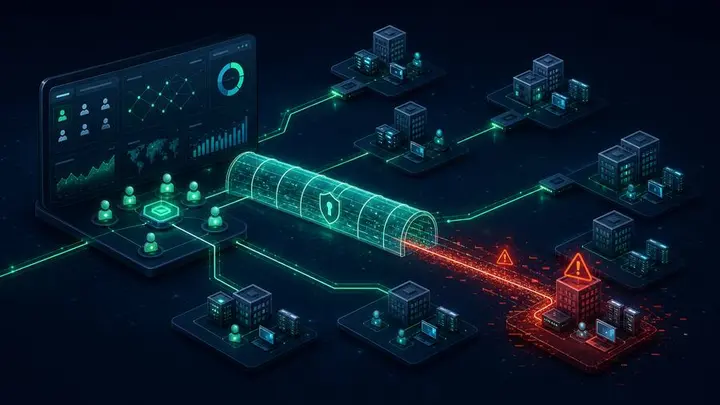
N-able N-central Exploitation Shows Why MSP Tools Are Control-Plane Risk
N-able says attackers exploited vulnerable N-central servers, used Take Control into managed environments, and registered Cloudflare Tunnel persistence. Here is what SMBs and government contractors should do now.
HOLLOWGRAPH Shows Why Microsoft 365 Is Now Part of the C2 Battlefield
Group-IB’s HOLLOWGRAPH research shows how attackers can turn Microsoft 365 calendars, Graph API traffic, and DNS into covert command-and-control. Here is what SMBs and government contractors should hunt for now.

Fuyao Android TV Botnet Shows Why Cheap Streaming Sticks Are Business Network Risk
KrebsOnSecurity and Bitsight report that some low-cost Android TV boxes are being used for both residential proxy traffic and AI-assisted ad fraud. For SMBs and government contractors, the lesson is simple: consumer IoT does not belong on trusted business networks.

SonicWall SMA Exploit Chain Shows Why VPN Appliances Need Incident Response, Not Just Patching
Resecurity reports active exploitation of SonicWall SMA 1000 flaws chained from /wsproxy access to root. Here is what SMBs and government contractors should do beyond patching.
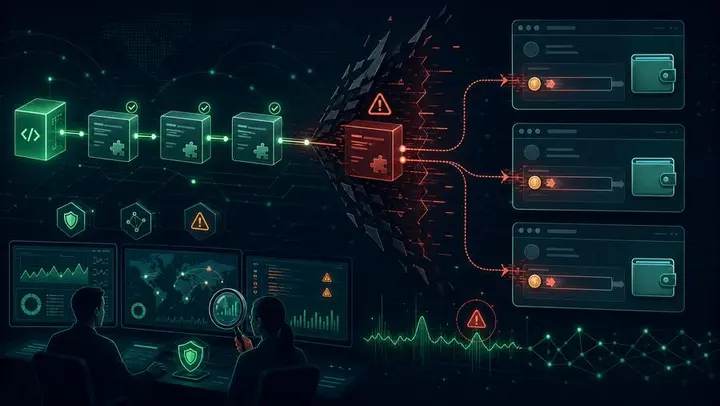
Adform Script Compromise Shows Why Third-Party Tags Need Supply-Chain Controls
Adform’s JavaScript incident shows how third-party advertising and tracking tags can become browser-side supply-chain risk. Here is what SMBs and government contractors should do now.
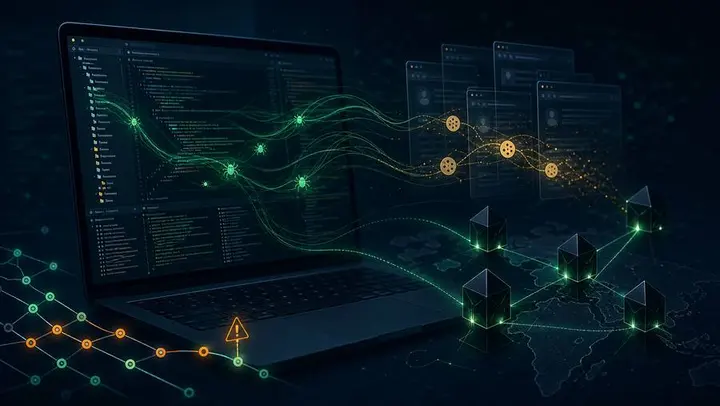
XCSSET v40 Shows Why Developer Macs Are Supply-Chain Infrastructure
Unit 42 reports that XCSSET v40 is targeting macOS developers through infected Xcode projects, memory-resident modules, Chrome session hijacking, and Telegram trojanization. Here is what SMBs and gov contractors should defend first.
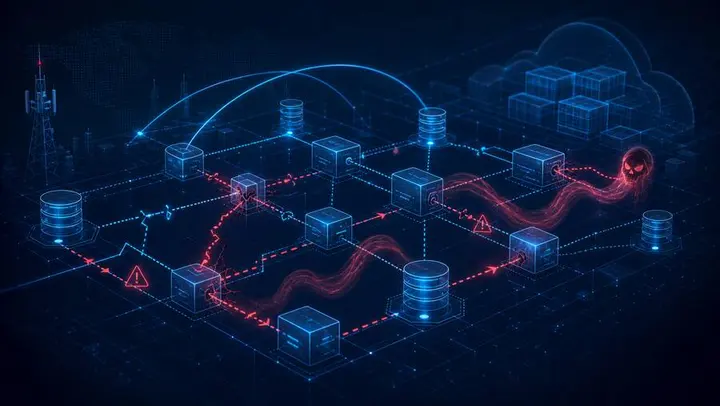
84 4G/5G Core Flaws Show Why Telecom Trust Zones Need Zero Trust
Researchers disclosed 84 vulnerabilities across open-source LTE and 5G core implementations, exposing how implicit trust between carrier network functions can lead to denial-of-service and session-hijacking risk.
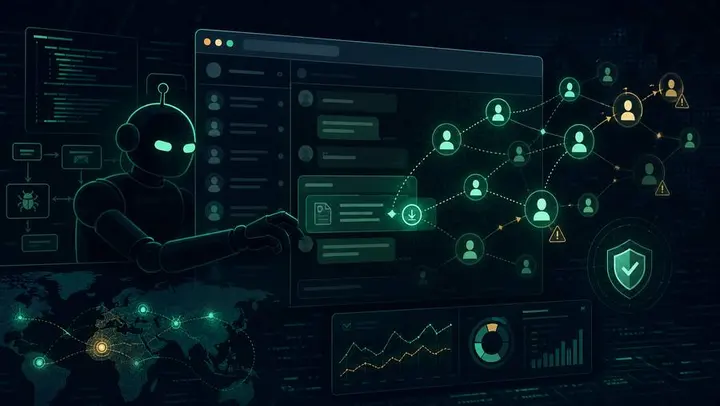
Astaroth WhatsApp Web Spambot Shows Browser Sessions Are Distribution Infrastructure
CrowdStrike reports that Astaroth operators added a WhatsApp Web spambot that abuses hidden browser automation and victim sessions to distribute malware. For defenders, browser-session telemetry and messaging-platform abuse now belong in malware response plans.