



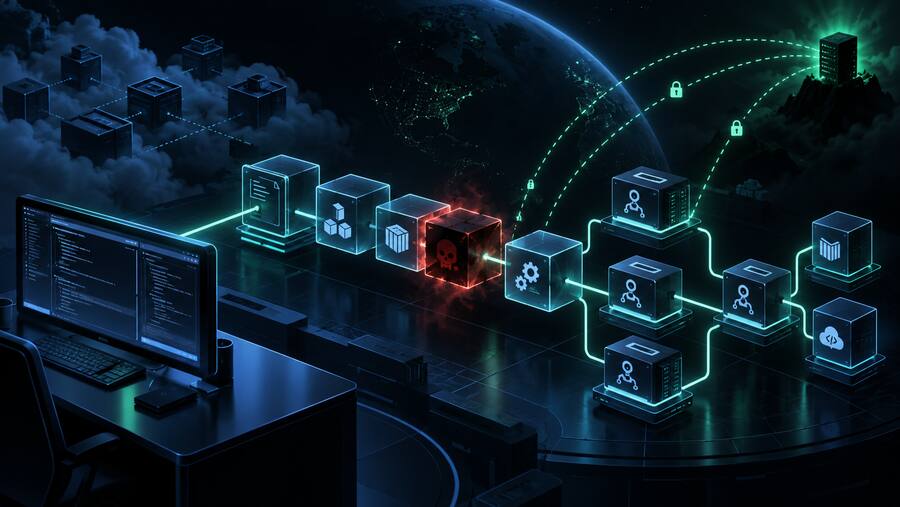
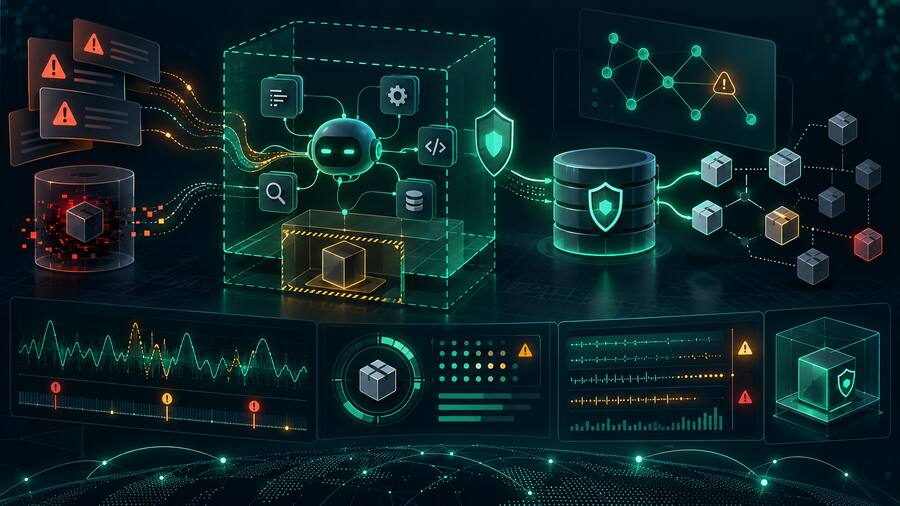



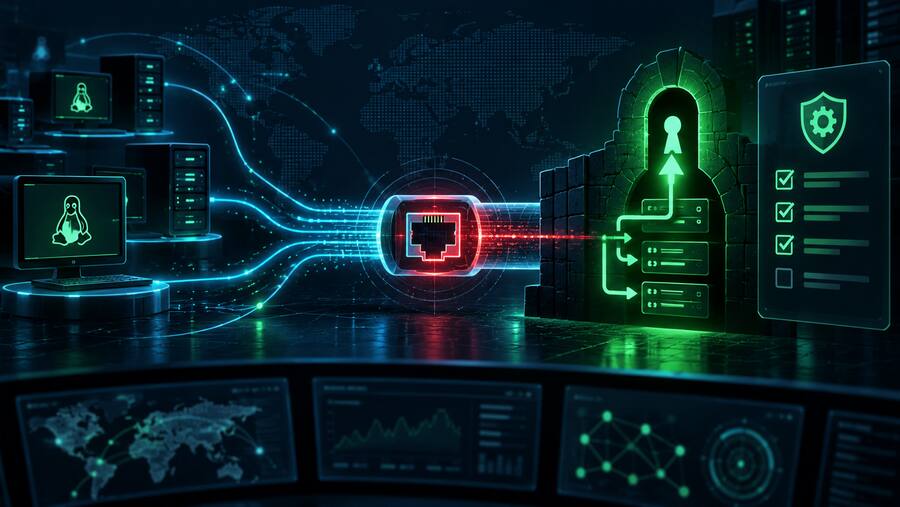






CyberScoop reports that the White House has launched Project Watershed 250, a six-month Texas pilot intended to bring federal, state, and private-sector cybersecurity support directly to water and wastewater operators. The program is being overseen by the Office of the National Cyber Director and Texas Cyber Command, with participation from security and cloud providers including Microsoft, Fortinet, Google Cloud, Palo Alto Networks, AWS, Cloudflare, Zscaler, Forescout, Abnormal AI, Dragos, Parsons, and Reflection AI.
The important part is not the press-event optics. It is the operating model: practical assessment, hardening, red teaming, and tool support for utilities that often have real operational risk but thin security staffing. For the water sector, that field-test approach matters more than another generic warning about critical infrastructure exposure.
What was announced
Project Watershed 250 is designed as a state-based pilot focused on Texas water systems. According to CyberScoop, the effort will use volunteer expertise and technology from cybersecurity and AI companies to test defenses, harden systems, and identify approaches that can scale beyond the initial pilot.
The timing is not accidental. Water utilities have been repeatedly named as high-risk critical infrastructure because many providers operate with limited budgets, distributed facilities, remote access requirements, aging equipment, and small technical teams. Texas officials cited prior attacks against water systems, including incidents attributed publicly to Iranian-backed and Russian-linked activity, as examples of why rural and municipal providers need help that is operationally realistic.
Why this matters for SMBs and government contractors
Water utilities are not the only organizations with this problem. Many small businesses, municipalities, co-ops, manufacturers, healthcare clinics, and government contractors run the same kind of mixed environment: business IT, remote administration, vendor-maintained equipment, cloud services, operational systems, and local staff who have to keep everything running.
The lesson is that critical infrastructure cybersecurity cannot be solved with policy language alone. The organizations that need the most help often need concrete engineering support: asset discovery, remote-access cleanup, identity hardening, segmentation, backup validation, logging, vulnerability prioritization, and incident response playbooks that match the reality of their environment.
For contractors, this also signals a likely demand area. Programs like Watershed 250 create pressure for measurable, repeatable services that can be delivered to under-resourced operators without creating more administrative burden. That is where practical cyber work beats theoretical maturity models.
Defensive takeaways
- Start with external exposure. Identify internet-facing VPNs, remote desktop services, web consoles, firewall management interfaces, vendor portals, and exposed industrial gateways. Remove what does not need to be public and enforce MFA where access must remain.
- Separate business IT from operational networks. Water and wastewater environments often depend on remote telemetry, HMIs, PLCs, engineering workstations, and vendor access. Segmentation should limit how far a compromised email account, laptop, or VPN session can reach.
- Put remote access under change control. Track who has access, why they have it, what system they can reach, and when it expires. Vendor accounts, shared credentials, unattended remote tools, and stale VPN profiles are common weak points.
- Prioritize recoverability. Offline backups, configuration exports, tested restore procedures, and spare-device planning matter. A small utility may not have a full SOC, but it can still reduce outage duration if core systems are recoverable.
- Monitor the few signals that matter. Centralize authentication logs, VPN events, firewall changes, endpoint alerts from engineering workstations, and DNS/egress patterns from operations networks. Perfect visibility is unrealistic; no visibility is dangerous.
- Use pilots to produce repeatable playbooks. The value of Watershed 250 will depend on whether it turns one-off assistance into templates smaller operators can actually adopt: checklists, reference architectures, response steps, and affordable managed service patterns.
Bulwark Black assessment
Watershed 250 is worth watching because it treats water cybersecurity as an implementation problem, not just a compliance problem. That distinction matters. Under-resourced operators do not need another binder telling them cyber risk is serious. They need help discovering assets, reducing exposed access, validating backups, hardening identity, and setting up basic telemetry before the next incident.
The caution is that vendor-heavy pilots can drift into product showcases if the outcomes are not measured carefully. The best result would be a set of repeatable defensive patterns that small and rural utilities can run with limited staff and budget. If the program produces practical reference playbooks, it could become a useful model for other critical infrastructure sectors — and for SMBs and government contractors with similarly lean security teams.
Original source: CyberScoop — ‘Watershed 250’ test program in Texas looks to private sector for water cybersecurity help