












Rapid7 Labs published new research on a Linux espionage toolkit attributed with medium confidence to DPRK activity. The reporting centers on a backdoored HAProxy build known in debug strings as ted backdoor, paired with trojanized system daemons, an SSH credential logger, and a curl-based remote access tool.
The original research is worth reading in full here: Rapid7 Labs: DPRK APTs: Ted backdoor and curlRAT target South Korean media and automotive sectors.
What Rapid7 reported
Rapid7 described a Linux toolkit used against South Korean media and automotive organizations. The operation combined several pieces that matter to defenders: a modified HAProxy 2.8.12 instance, trojanized versions of common Linux daemons, credential harvesting through a modified SSH component, and a curlRAT implant capable of command execution, configuration updates, payload staging, beaconing, reverse shell behavior, and interactive shell access.
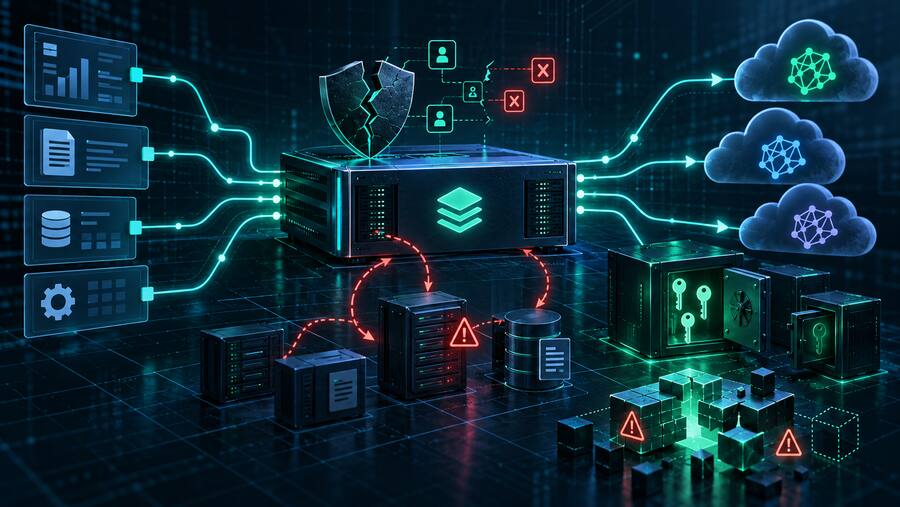
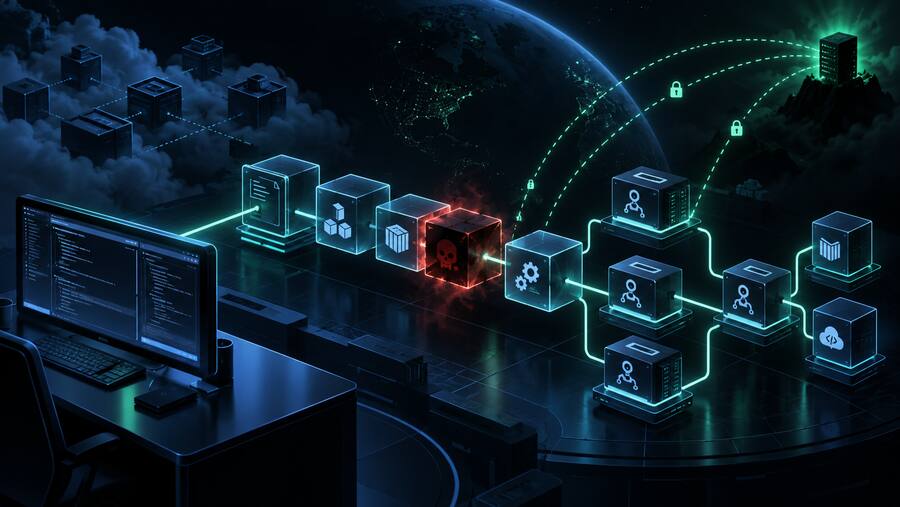
The most important part is the placement. The HAProxy component sits at the edge, where it can inspect HTTP traffic after TLS termination, capture high-value request data, selectively inject scripts, and intercept attacker command traffic before it reaches backend applications. In other words, the load balancer continues to look like infrastructure while quietly becoming part of the adversary’s collection and control plane.
Why this matters
Many small businesses and government contractors treat reverse proxies, VPNs, mail gateways, and Linux edge servers as “set it and forget it” infrastructure. This case shows why that mindset is dangerous. Once an adversary modifies the binary or daemon layer, normal application logs may not tell the full story. The proxy can remove traces, hide command requests from backend servers, and preserve the appearance of normal traffic flow.
This is especially relevant for organizations with externally exposed groupware, mail, remote access, or web portals. Even if your organization is not in South Korea, the defensive lesson travels well: edge servers are not just pipes. They are privileged inspection points, credential choke points, and pivot platforms.
Defensive takeaways
- Baseline edge binaries and service packages. Keep known-good hashes, package versions, file metadata, and configuration snapshots for HAProxy, nginx, Apache, sshd, cron, polkit, mail services, and remote-access gateways.
- Treat patching as only the first step. If an edge server may have been exposed through a vulnerable portal, patching does not prove the box is clean. Review binaries, persistence paths, service files, scheduled tasks, and recent process history.
- Monitor for daemon replacement. Alert on unexpected writes to system daemon paths, suspicious timestamp changes, service restarts outside maintenance windows, and binaries whose hashes do not match vendor packages.
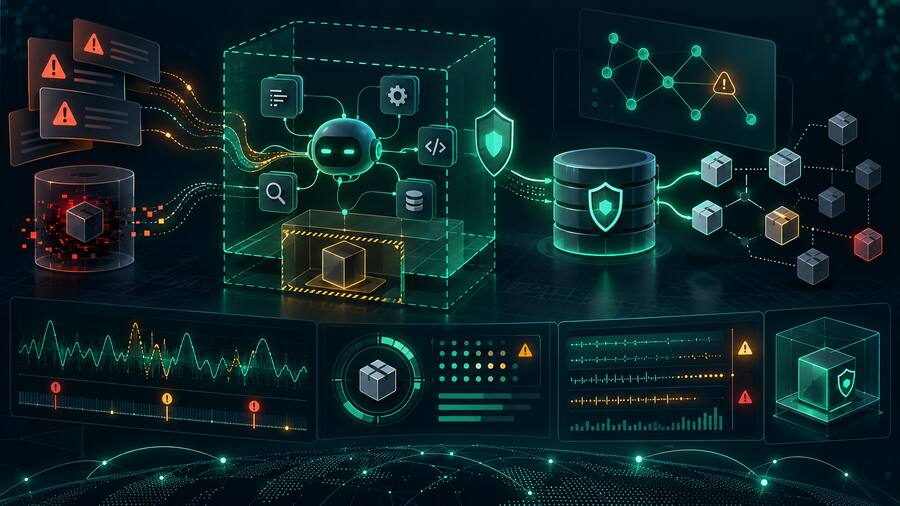
- Collect logs off-host quickly. Rapid7 noted log-erasure behavior. Edge servers should forward authentication, web, proxy, system, and audit logs to a separate collector where local cleanup cannot erase the evidence.
- Review outbound egress from infrastructure servers. Load balancers and cron hosts should have narrow outbound destinations. Unexpected HTTP/S beacons, API-token style headers, or periodic callbacks from infrastructure servers deserve investigation.
- Rotate credentials after edge compromise. A modified SSH component or traffic-interception point turns credentials into the incident’s blast radius. Assume harvested passwords, session cookies, and keys may be burned.
Bulwark Black assessment
The key takeaway is not “DPRK has another Linux backdoor.” The key takeaway is that edge infrastructure is becoming a stealth layer. A compromised proxy can watch traffic, alter responses, and keep backend systems from seeing the attacker’s real control traffic. That breaks many lightweight detection assumptions.
For lean security teams, the answer is not buying ten more tools. Start with discipline: inventory what is exposed, know what binaries should exist, centralize logs, restrict outbound traffic from servers, and create a post-compromise checklist for any internet-facing Linux host. If the appliance or server terminates authentication or TLS, treat it as high-value infrastructure.
Government contractors should pay special attention. Even small environments can hold proposal data, customer communications, engineering files, subcontractor details, or controlled unclassified information workflows. If an attacker owns the edge, they may not need to encrypt anything to cause real damage. They can simply stay quiet, collect, and wait.