









Nisos’ latest DPRK employment-fraud reporting is a useful reminder that “remote hiring risk” is no longer just an HR problem. It is an access-control problem, an insider-risk problem, and a contractor-security problem.
In its investigation, Nisos described a North Korean IT-worker operation that submitted more than 170,000 job applications across 22 operatives between December 2024 and September 2025, producing 76 employment offers from U.S. companies. Technology roles were a major focus, especially developer and engineering positions where remote access, high trust, and fast onboarding are common.
Original source: Nisos — DPRK Investigation Featured on NBC News. Additional Nisos context is available in its deeper writeups on the employment-fraud operation and a fraudulent DPRK candidate investigation.
What Nisos Reported
The reported operation was not a one-off resume scam. Nisos described a coordinated cell with administrators, managers, team leads, operatives, shared communications, performance tracking, synthetic personas, and U.S.-based facilitators. The goal was simple: pass hiring checks, obtain remote employment, receive corporate equipment or remote access, and convert that access into revenue and operational footholds.
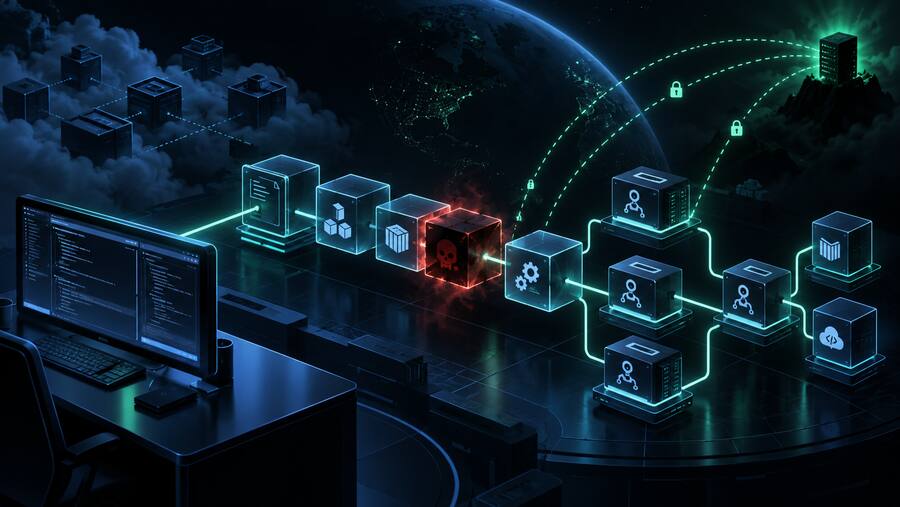
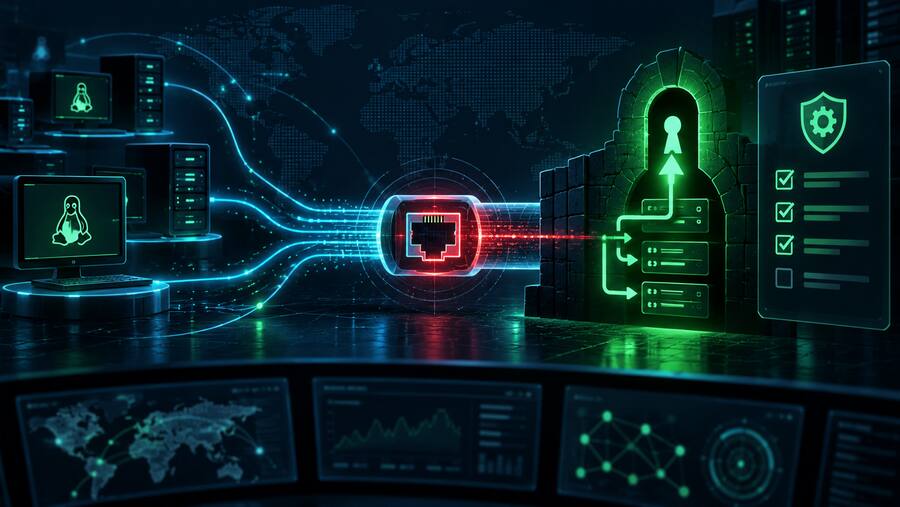
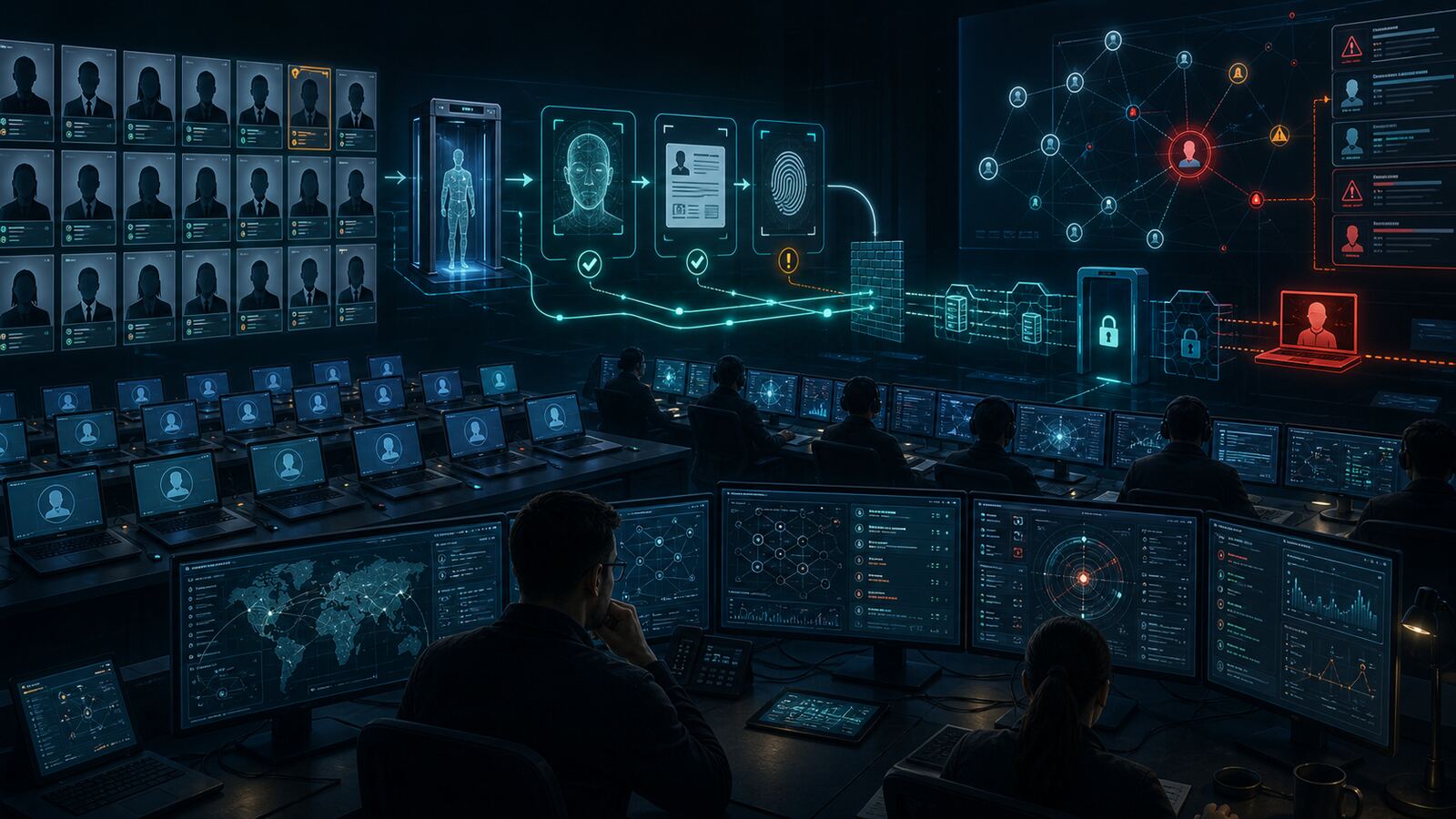
The tradecraft matters. The actors allegedly used stolen or purchased identity packages, manipulated documentation, coordinated reference networks, AI-assisted interview support, accent practice, laptop farms, remote KVM devices, and mesh VPN services. In other words, the weak point is not just whether a resume looks fake. The weak point is whether the organization can continuously prove that the person doing the work is the same person it hired, located where expected, using approved equipment, and operating within normal access patterns.
Why This Matters for SMBs and Government Contractors
Small businesses and government contractors often move fast when hiring technical talent. They may rely on standard background checks, resume screens, video interviews, contractor laptops, and basic identity proofing. That is not enough when an adversary can combine legitimate-looking documents, real stolen personal information, AI-generated interview assistance, proxy workers, and domestic laptop-farm support.
For a contractor, the risk is bigger than payroll fraud. A fraudulent remote worker can touch source code, customer data, internal documents, cloud consoles, ticketing systems, VPNs, CI/CD secrets, and government-sensitive workflows. Even when the actor’s primary objective is revenue generation, the access they obtain can create espionage, extortion, sanctions, and compliance exposure.
The practical lesson: hiring is now part of the security boundary. If a company treats identity verification as a one-time onboarding checkbox, it gives adversaries a clean path from candidate pipeline to internal access.
Defensive Takeaways
- Separate HR verification from access authorization. Passing a background check should not automatically justify broad VPN, repository, cloud, or production access.
- Re-verify identity at sensitive milestones. Trigger stronger checks before shipping equipment, granting privileged access, approving payment changes, or moving a contractor into customer-facing systems.
- Watch for remote-access anomalies. Monitor impossible travel, VPN/proxy patterns, unusual residential IP changes, unexpected remote desktop use, and repeated access from environments inconsistent with the worker’s profile.
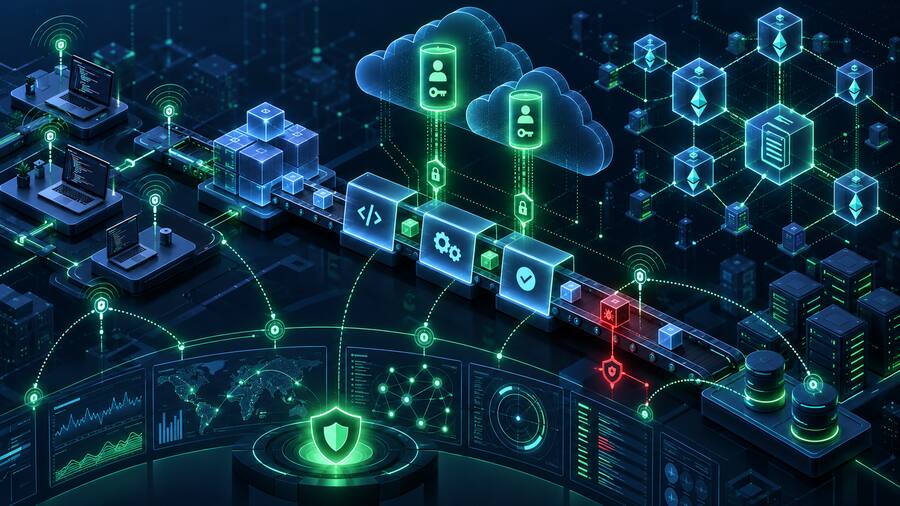
- Control contractor devices. Use managed endpoints, MDM, EDR, disk encryption, device posture checks, and conditional access. Avoid allowing unmanaged personal systems into sensitive workflows.
- Limit blast radius by role. Developers and contractors should receive the minimum repository, ticketing, SaaS, and cloud permissions needed for the job, with short review cycles.
- Protect source code and build systems. Require branch protections, signed commits where appropriate, secret scanning, dependency review, code-owner approval, and monitored CI/CD token use.
- Integrate Security with People Ops. HR, recruiting, legal, IT, and security should share a lightweight escalation process for identity inconsistencies, interview anomalies, equipment-routing concerns, and access red flags.
Bulwark Black Assessment
The most important shift is cultural. Remote work did not create this threat, but it did widen the path. AI did not create this threat either, but it improves the attacker’s ability to scale resumes, interviews, personas, and operational coordination.
Organizations do not need to turn hiring into a hostile interrogation process. They do need to make identity, device trust, access patterns, and privilege boundaries measurable. A good program should let legitimate candidates move through the process cleanly while forcing fraudulent personas to fail somewhere before they reach sensitive systems.
For SMBs and government contractors, the near-term priority is straightforward: review remote hiring workflows, contractor onboarding, device shipment rules, VPN access, source-code permissions, and cloud-role grants. If those controls assume “the person with the laptop is the person we hired,” this Nisos reporting is a reason to tighten the model now.