


Showing 193–216 of 305 reports
FortiBleed Shows Firewall Credentials Are Ransomware Fuel
SOCRadar linked the FortiBleed FortiGate credential-harvesting campaign to INC and Lynx ransomware operations. Here is what SMBs and government contractors should do next.

NetNut and Popa Takedown Shows Residential Proxies Are Now Attack Infrastructure
The FBI and industry partners disrupted NetNut and the Popa botnet. Here is why residential proxy abuse matters for SMBs, government contractors, and defenders.
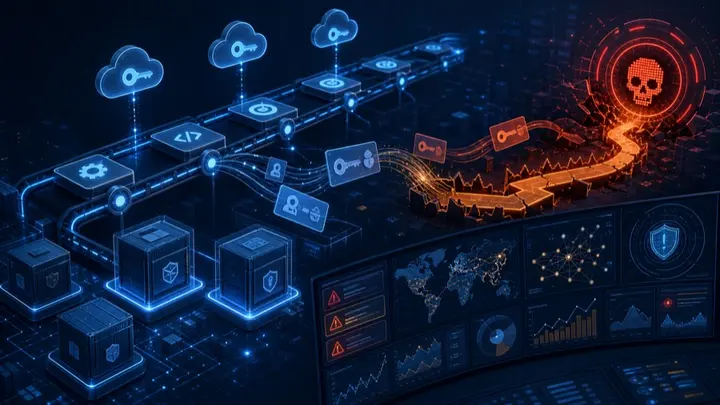
Vect and TeamPCP Show Supply-Chain Credentials Are Ransomware Fuel
Sophos CTU reports that Vect and TeamPCP have linked ransomware deployment with supply-chain credential theft. Here is what SMBs and government contractors should harden now.

Ousaban Shows Banking Trojans Are Learning to Hide From Sandboxes
Ousaban’s Spain and Portugal campaign shows how banking trojans use geofencing, phishing PDFs, steganography, and daily-changing C2 to evade sandbox-heavy defenses.

NUT upsmon Command Injection Shows UPS Monitoring Belongs in the Patch Queue
CVE-2026-54161 in Network UPS Tools upsmon shows why UPS monitoring, notification scripts, and power-infrastructure control paths need patching, segmentation, and process monitoring.

ARToken Shows Microsoft 365 Tokens Are the New BEC Control Plane
Cisco Talos uncovered ARToken, an EvilTokens-linked phishing-as-a-service panel built around Microsoft 365 token theft, device-code phishing, mailbox access, SharePoint operations, and BEC automation. The practical lesson: treat identity tokens, inbox rules, and cloud collaborati

CitrixBleed Keeps Returning: NetScaler SAML IdP Memory Leaks Need Edge-Control Discipline
Citrix patched CVE-2026-8451, a NetScaler SAML IdP memory overread in the CitrixBleed family. Here is what SMBs and government contractors should do now.
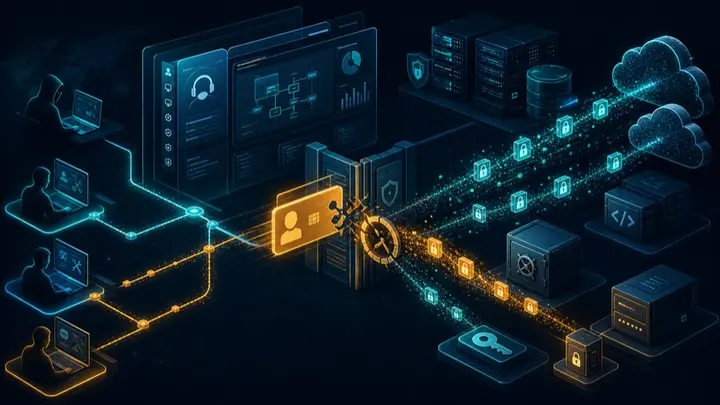
SimpleHelp Exploitation Shows RMM Is a Credential Control Plane
Active exploitation of SimpleHelp CVE-2026-48558 shows why RMM platforms must be treated as privileged credential control planes, not routine support tools.

Leaky iOS AI Apps Show Mobile AI Needs Real API Gateways
A study of iOS AI chatbot apps found widespread exposure of API keys, open AI proxy access, and replayable tokens. The fix is not another client-side secret workaround; it is real backend authentication, scoped tokens, monitoring, and key isolation.
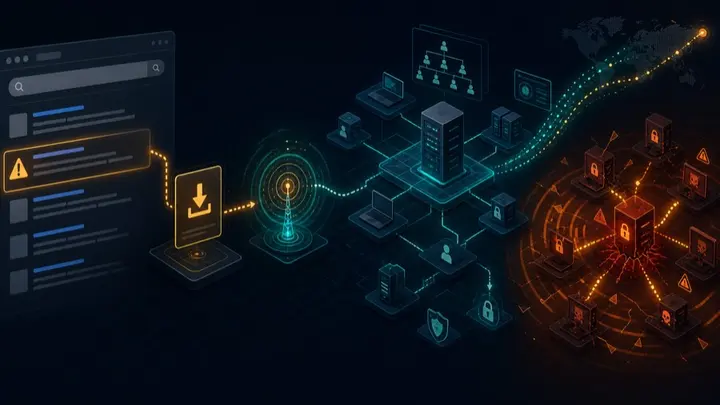
Bing SEO Poisoning Shows IT Admin Downloads Are Ransomware Initial Access
A DFIR Report case study shows how a fake ManageEngine OpManager download led from BumbleBee and AdaptixC2 to Akira ransomware. The defensive lesson: admin software downloads need control, verification, and monitoring.
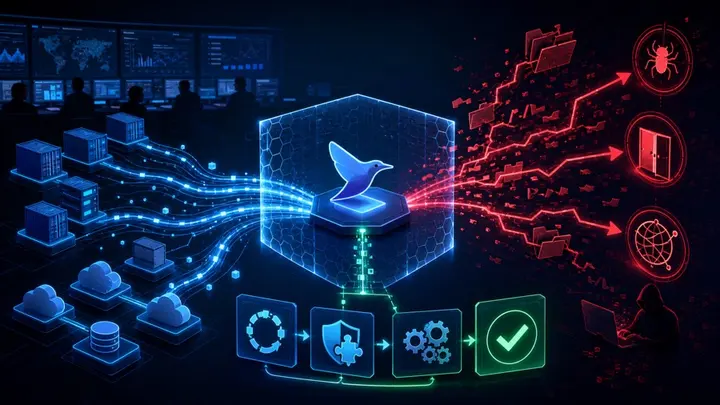
Fluentd Vulnerabilities Show Logging Pipelines Need Production-Grade Segmentation
Multiple Fluentd vulnerabilities show why log collectors need segmentation, least privilege, and hostile-input assumptions—not just patching.

Shai Hulud Shows CI/CD Identity Is Production Cloud Identity
Fortinet’s Shai Hulud case study shows how poisoned CI/CD dependencies can become cloud identity compromise, IAM escalation, and Redshift data theft. Here is what SMBs and government contractors should harden now.

Clean Repos Can Still Burn Developer Machines When AI Agents Trust Runtime Setup
A clean-looking repository can still become dangerous when an AI coding agent follows setup instructions and executes runtime-fetched configuration. Here is how teams should defend developer workflows.

Splunk Enterprise RCE Shows SIEM Servers Are Tier-Zero Infrastructure
CVE-2026-20253 shows why Splunk and other SIEM platforms need tier-zero hardening: patch quickly, restrict management access, review service accounts, and hunt for suspicious file writes.

NAIC Breach Shows Why PeopleSoft Internet Exposure Needs Immediate Review
NAIC’s PeopleSoft-linked breach is a practical warning for SMBs and government contractors: patch CVE-2026-35273, restrict administrative endpoints, and hunt for attacker staging before extortion begins.

Hospitality Photo-ZIP Campaign Shows Front Desk Workflows Are Initial Access Paths
Microsoft’s hospitality photo-ZIP campaign shows why front desk, booking, and customer intake workflows need executable-content controls, redirect-chain inspection, and endpoint hunting for unusual Node.js persistence.

CL-STA-1062 Shows Critical Infrastructure Intrusions Still Start With Web Shells
Unit 42’s CL-STA-1062 report shows why defenders should focus on exposed web apps, web shells, tunneling tools, scheduled-task persistence, and egress visibility — not just the TinyRCT malware name.

Turla’s STOCKSTAY Backdoor Shows Why Espionage Defense Needs Egress Visibility
GTIG’s STOCKSTAY research shows how Turla blends modular .NET malware, WebSocket C2, and diplomatic targeting. Here are the defensive lessons for SMBs and government contractors.
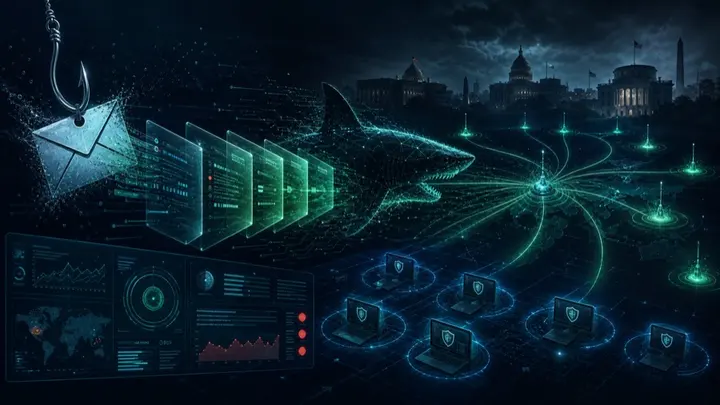
StrikeShark Shows Loader Malware Is an Edge-Exposure Problem
Kaspersky’s StrikeShark research shows how opportunistic exploitation of exposed servers can become a multi-stage SharkLoader and Cobalt Strike intrusion. Here is what SMBs and government contractors should review now.

MuddyWater’s Chaos Masquerade Shows Ransomware Response Needs Attribution Discipline
Iran-linked MuddyWater activity shows why ransomware response needs to examine identity compromise, remote access, and adversary objectives instead of trusting the ransom note at face value.
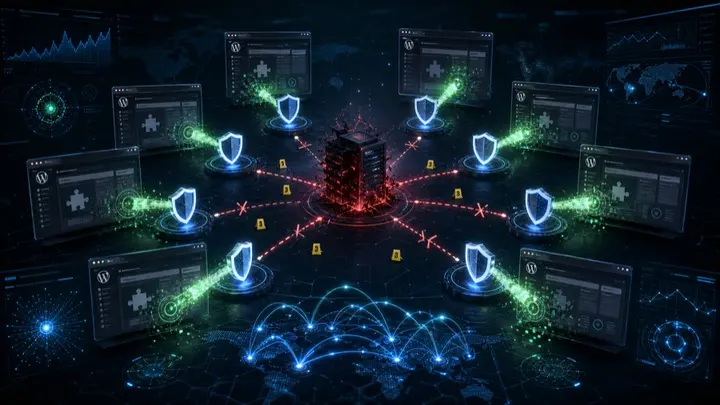
SocGholish Takedown Shows Website Trust Is Malware Infrastructure
Operation Endgame disrupted SocGholish infrastructure, but the defensive lesson is bigger: compromised trusted websites are malware delivery infrastructure.

Operation Escaneo Shows Latin America’s Edge Devices Are Prime Intrusion Targets
Operation Escaneo shows how financially motivated actors are turning exposed edge devices, tunnels, and privileged service accounts into full intrusion chains across Latin American government and critical infrastructure targets.

Mastra npm Compromise Shows AI Frameworks Are Supply-Chain Targets
Microsoft linked the Mastra AI npm package compromise to North Korean actor Sapphire Sleet. Here is what SMBs and government contractors should do about AI framework supply-chain risk.

Showboat Malware Shows Telecom Linux Servers Need Rootkit-Level Monitoring
Showboat is a China-linked Linux post-exploitation framework aimed at telecom providers. The lesson for defenders: treat Linux server persistence, dynamic linker abuse, and low-noise C2 as first-class monitoring priorities.