


Showing 169–192 of 305 reports

BINDCLOAK Shows Why C2 Detection Needs Message-Level Visibility
Zscaler ThreatLabz detailed BINDCLOAK, a modular backdoor used after TELESHIM and MIXEDKEY in targeted government intrusions. The defensive lesson: endpoint visibility, token-use monitoring, DLL side-loading detection, and outbound C2 inspection all need to work together.

Passkey Attacks Show Why Passwordless Still Needs Endpoint Defense
Unit 42’s passkey research shows why passwordless authentication still depends on endpoint health, relying-party validation, and recovery-flow hardening. Here is what SMBs and government contractors should do next.

DPRK npm Compromises Show Why Dependency Trust Is Now Identity Risk
Amazon linked compromises of popular npm packages to a DPRK-linked actor. The defensive lesson for SMBs and government contractors: dependency risk is no longer just code review — it is maintainer identity, build-pipeline behavior, and runtime trust.

N-able N-central Exploitation Shows Why MSP Tools Are Control-Plane Risk
N-able says attackers exploited vulnerable N-central servers, used Take Control into managed environments, and registered Cloudflare Tunnel persistence. Here is what SMBs and government contractors should do now.

HOLLOWGRAPH Shows Why Microsoft 365 Is Now Part of the C2 Battlefield
Group-IB’s HOLLOWGRAPH research shows how attackers can turn Microsoft 365 calendars, Graph API traffic, and DNS into covert command-and-control. Here is what SMBs and government contractors should hunt for now.

Fuyao Android TV Botnet Shows Why Cheap Streaming Sticks Are Business Network Risk
KrebsOnSecurity and Bitsight report that some low-cost Android TV boxes are being used for both residential proxy traffic and AI-assisted ad fraud. For SMBs and government contractors, the lesson is simple: consumer IoT does not belong on trusted business networks.

SonicWall SMA Exploit Chain Shows Why VPN Appliances Need Incident Response, Not Just Patching
Resecurity reports active exploitation of SonicWall SMA 1000 flaws chained from /wsproxy access to root. Here is what SMBs and government contractors should do beyond patching.
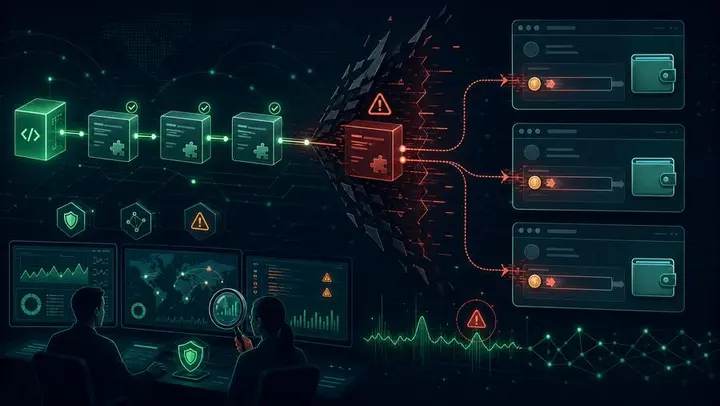
Adform Script Compromise Shows Why Third-Party Tags Need Supply-Chain Controls
Adform’s JavaScript incident shows how third-party advertising and tracking tags can become browser-side supply-chain risk. Here is what SMBs and government contractors should do now.
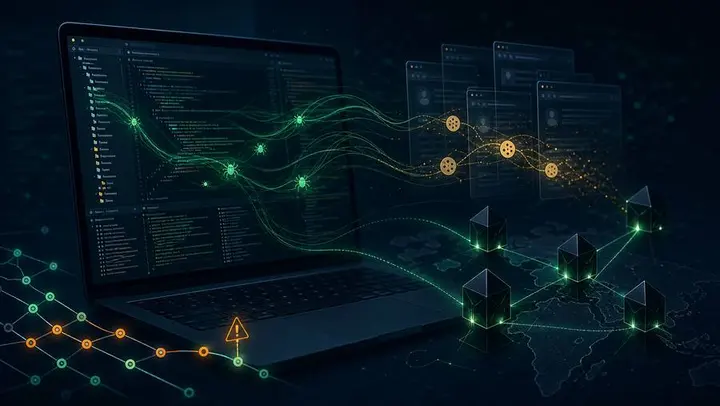
XCSSET v40 Shows Why Developer Macs Are Supply-Chain Infrastructure
Unit 42 reports that XCSSET v40 is targeting macOS developers through infected Xcode projects, memory-resident modules, Chrome session hijacking, and Telegram trojanization. Here is what SMBs and gov contractors should defend first.

84 4G/5G Core Flaws Show Why Telecom Trust Zones Need Zero Trust
Researchers disclosed 84 vulnerabilities across open-source LTE and 5G core implementations, exposing how implicit trust between carrier network functions can lead to denial-of-service and session-hijacking risk.

Astaroth WhatsApp Web Spambot Shows Browser Sessions Are Distribution Infrastructure
CrowdStrike reports that Astaroth operators added a WhatsApp Web spambot that abuses hidden browser automation and victim sessions to distribute malware. For defenders, browser-session telemetry and messaging-platform abuse now belong in malware response plans.

TA488 Turns Outlook Web Access Into a Stealthy Persistence Layer
Proofpoint reports Russia-aligned TA488 abused an Outlook Web Access XSS flaw to deploy OWAReaper, a browser-based implant that can persist beyond passwords and endpoint rebuilds.

Open Source Supply Chain Compromise Needs Build-Pipeline Defense, Not Just Dependency Scanning
Google Threat Intelligence Group says open-source package compromise is expanding fast. For SMBs and government contractors, the answer is not just another dependency scan — it is tighter control over tokens, CI/CD triggers, package intake, and build isolation.

CosmosEscape Shows Why Managed Cloud Databases Still Need Customer-Side Defense
A now-patched Azure Cosmos DB vulnerability chain exposed how managed database control planes can become high-impact risk. The defensive lesson is inventory, scoped access, logging, and tested key rotation.

Autonomous AI Agent Espionage Shows Why Post-Compromise Speed Matters
Attackers used an unattended AI agent during espionage activity against Thailand’s finance ministry. The lesson for SMBs and government contractors is not AI panic — it is faster post-compromise defense.

Jscrambler npm Compromise Shows Build Pipelines Need Runtime Controls
A compromised Jscrambler npm release shows why CI/CD package installation and runtime behavior need production-grade controls, credential rotation, and dependency governance.

Ghost Phishing Shows Why Email Security Must Follow the Browser
Ghost phishing hides the real lure until the browser renders it. Here is what SMBs and government contractors should do to defend Microsoft 365 identities.

Pakistani Police Intrusions Show Why Public-Sector Data Systems Are Strategic Targets
SentinelLabs reporting on rival espionage activity against Pakistani law enforcement is a reminder that public-sector portals, case systems, and citizen-data apps are strategic intelligence targets — even when they are not classified systems.

Bad Epoll Shows Linux Kernel LPEs Belong in the Patch Priority Queue
Bad Epoll CVE-2026-46242 is a Linux kernel epoll race-condition LPE. Here is why SMBs and government contractors should prioritize kernel patching, developer endpoint hardening, and post-compromise controls.
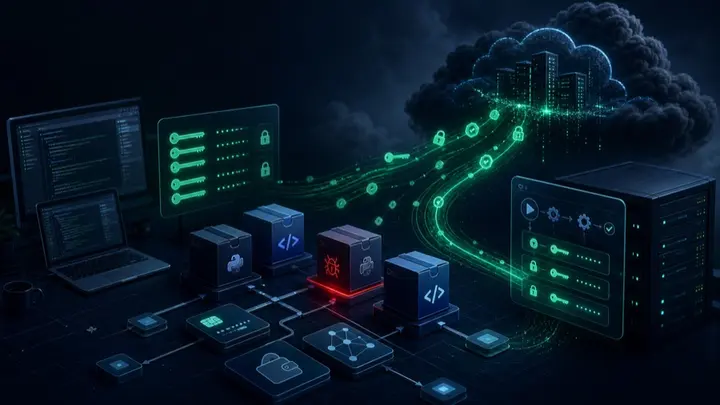
Fake Payment SDKs Show Why Dependency Risk Is Credential Risk
Socket uncovered malicious npm and PyPI packages impersonating Paysafe, Skrill, and Neteller SDKs. Here is what SMBs and government contractors should do now to protect CI secrets, developer machines, and payment integrations.
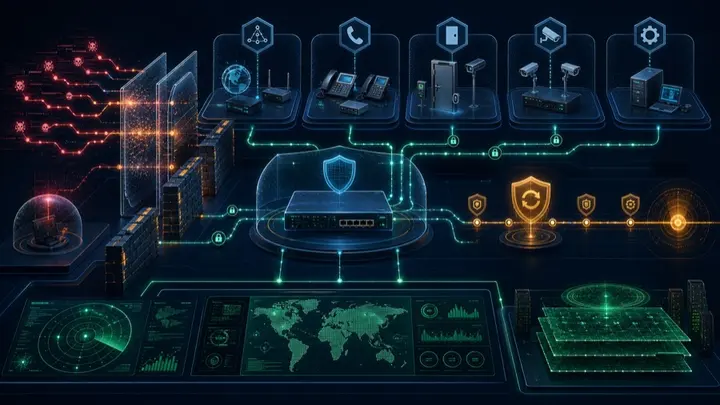
Critical UniFi Flaws Put Network Control Planes Back in the Patch Queue
Ubiquiti patched critical UniFi Connect, Talk, Access, Protect, and UniFi OS flaws. Here is what SMBs and government contractors should patch, restrict, and review now.
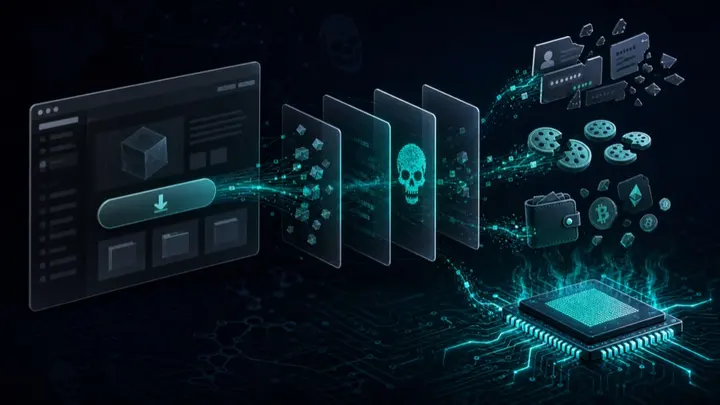
Vidar Stealer Campaign Shows Why File Size and Fake Signatures Still Beat Weak Controls
Unit 42 reported a Vidar stealer and XMRig campaign using malvertising, fake cracked-software lures, misleading certificate metadata, oversized binaries, and commodity loader infrastructure. Here is what SMBs and government contractors should take away.

ADFS Signing Keys Show Why Federation Servers Are Tier-Zero Identity Infrastructure
Mandiant shows how ADFS certificate drift and Machine DPAPI can expose active signing keys. Here is what SMBs and government contractors should do now.

UAT-7810 Shows Edge Devices Are Becoming China-Nexus Relay Infrastructure
Cisco Talos reports UAT-7810 is expanding ORB relay infrastructure using compromised edge and embedded devices. Here is what SMBs and government contractors should do now.