


Showing 217–240 of 305 reports
AutoJack Shows AI Browsing Agents Need Localhost Boundaries
Microsoft’s AutoJack research shows how a malicious webpage can abuse an AI browsing agent’s access to localhost services. The defensive lesson: treat agent control planes, MCP servers, and local tool runners like privileged admin surfaces.
Apache APISIX Auth Bypass Cluster Shows API Gateways Need Plugin-Level Review
Apache disclosed a cluster of APISIX authentication and identity plugin CVEs. The defensive priority is patching, plugin inventory, and validating what backend services trust from the gateway.
FortiBleed Shows Firewall Patching Is Not Compromise Recovery
FortiBleed is a reminder that edge firewall patching is necessary, but it does not prove a previously exposed appliance is clean. Defenders need compromise review, credential rotation, and rebuild plans for perimeter devices.

Vendor-Signed UEFI Apps Show Secure Boot Still Depends on Revocation Hygiene
CERT/CC warns that multiple vendor-signed UEFI applications can be abused to bypass Secure Boot before the operating system and EDR controls ever load. For SMBs and government contractors, the fix is not just firmware patching; it is verifying DBX revocation coverage across manag

SmartApeSG Okendo Compromise Shows Third-Party Widgets Are Supply-Chain Risk
Zscaler ThreatLabz reported that SmartApeSG injected malicious JavaScript into the Okendo Reviews widget, creating downstream exposure across e-commerce sites. Here is what SMBs and government contractors should do about third-party browser code risk.
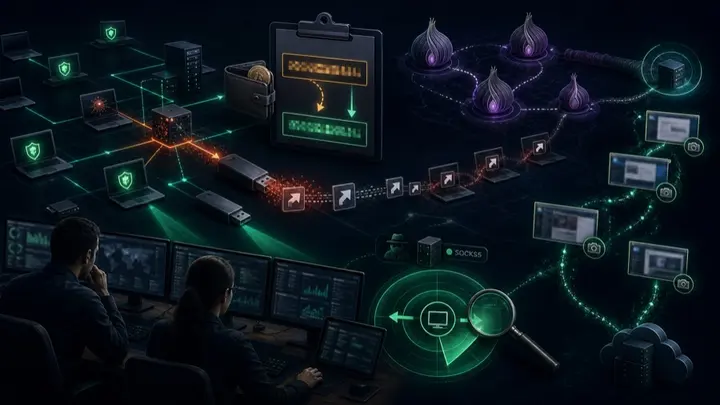
Tor-Based Crypto Clipper Shows Clipboard Theft Is Now Backdoor Activity
Microsoft research on a Tor-routed crypto clipper shows why defenders should connect USB shortcut execution, script interpreters, localhost proxy activity, and clipboard theft into one investigation path.
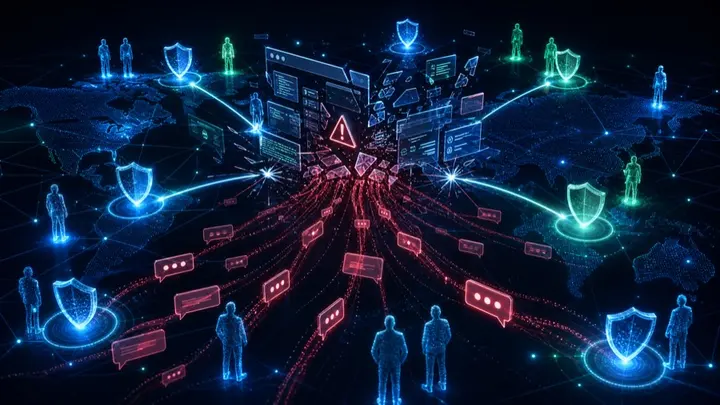
Outsider Enterprise Shows AI-Powered Phishing Is Now Industrial Infrastructure
The Outsider Enterprise takedown shows AI-powered phishing is now industrial infrastructure. SMBs and government contractors should prioritize phishing-resistant MFA, identity recovery controls, and rapid session revocation.

Handala’s Cal Water Claim Shows OT Defense Starts With Segmentation
Handala’s California Water Service claim is a reminder that critical-infrastructure defense starts with proving separation between billing systems, telemetry platforms, and operational technology.
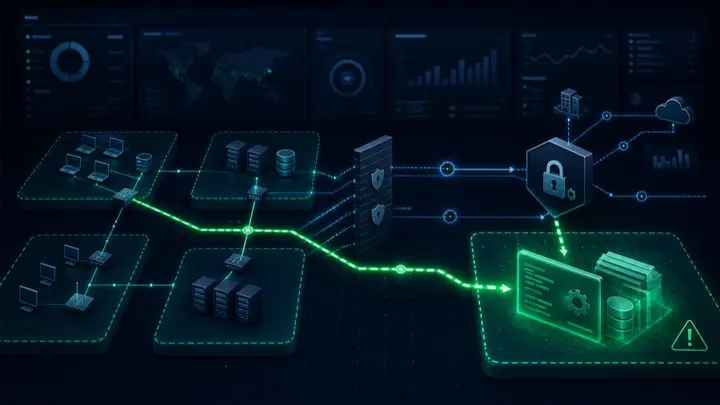
FortiPortal CVE-2026-49938 Shows Network Configuration Data Is a High-Value Target
Fortinet CVE-2026-49938 is a medium-severity FortiPortal API access-control issue, but sensitive network configuration exposure can still give attackers a valuable map of the environment.
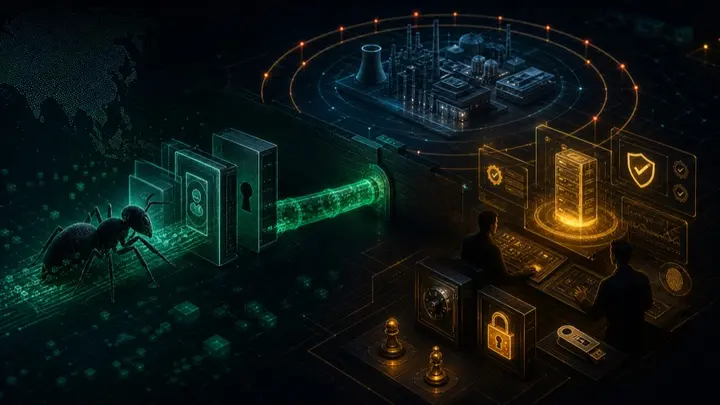
Velvet Ant Shows Authentication Infrastructure Is Critical Infrastructure
Velvet Ant’s Operation Highland shows why PAM, OpenSSH, jump hosts, and proxy paths deserve the same defensive priority as identity providers and domain controllers.
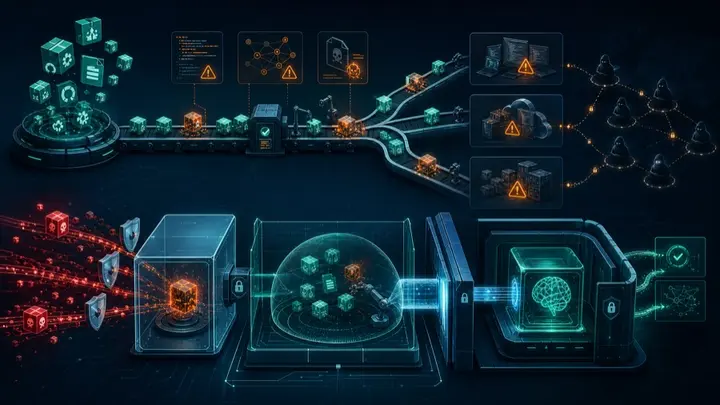
Shai-Hulud Shows AI Package Scanners Need Prompt-Injection Boundaries
Zscaler ThreatLabz says the Shai-Hulud campaign has expanded across package ecosystems and introduced prompt-injection tactics aimed at automated AI security triage. The defense lesson is simple: treat package content as hostile input, even when an LLM is doing the review.

Maine Breach Portal Hoax Shows Disclosure Systems Need Verification Controls
Maine took its public breach notification database offline after fake disclosures were published. The lesson for SMBs and government contractors: public trust workflows need verification, moderation, and correction controls.
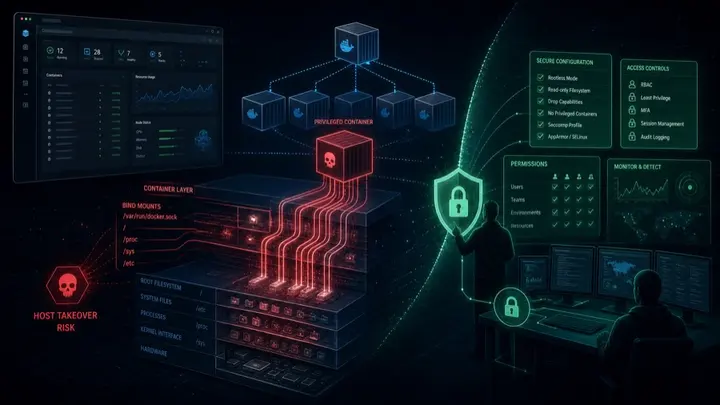
Portainer CVE-2026-33590 Shows Container Admin Tools Need Least Privilege Defaults
intWave disclosed CVE-2026-33590 in Portainer, where insecure default Docker security settings could let regular users escalate toward host takeover. Here is what SMBs and government contractors should lock down.

MaXSS and Spyder Show AI Browser Extensions Are an Endpoint Risk
Rebora disclosed MaXSS and Spyder, two critical flaws in AI browser-extension side panels. The lesson for SMBs and government contractors: browser extensions are endpoint software with identity-session reach and need governance.
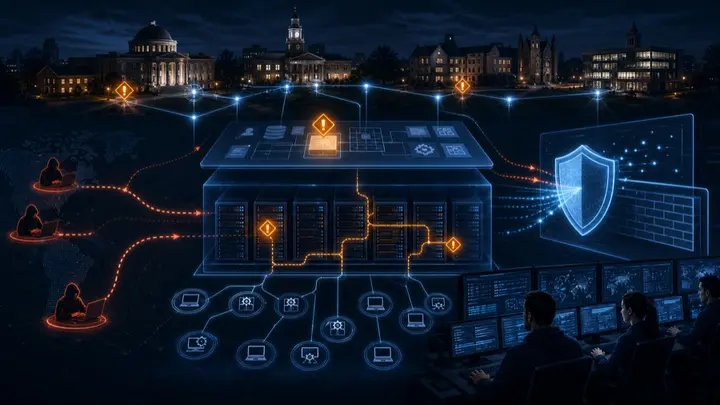
ShinyHunters PeopleSoft Exploitation Shows ERP Admin Endpoints Are Breach Surface
GTIG and Mandiant report active ShinyHunters exploitation of Oracle PeopleSoft CVE-2026-35273. Here is what defenders should lock down, hunt, and segment now.
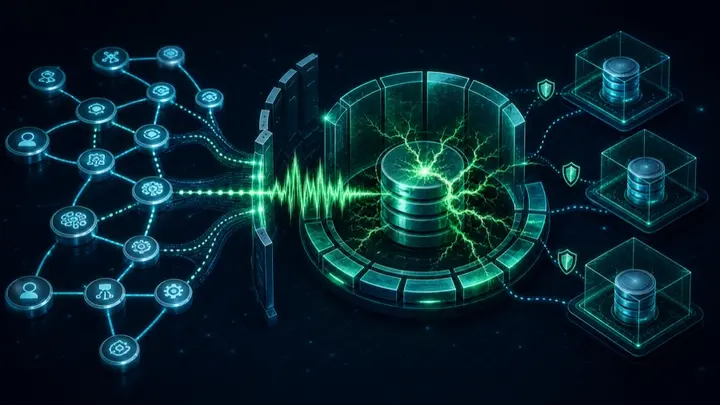
LangGraph Checkpointer Bugs Show AI Agent Memory Is Backend Attack Surface
Check Point Research disclosed LangGraph checkpointer flaws that could turn user-controlled state-history filters into SQL injection, unsafe deserialization, and remote code execution. The lesson for SMBs and government contractors: AI agent memory is application infrastructure,

IMA Diligence Breach Shows Legacy Servers Are Still Third-Party Risk
A reported IMA Diligence breach affecting more than 525,000 people shows why legacy third-party servers need ownership, monitoring, decommissioning, and data-risk review.

C0XMO Shows IoT Botnets Are Still an Edge Exposure Problem
Fortinet researchers detailed C0XMO, a Gafgyt variant spreading through DD-WRT and other exposed devices. Here is what SMBs and government contractors should lock down before compromised routers become DDoS infrastructure.

SolarWinds Serv-U Exploitation Shows File Transfer Availability Is Security
CISA added actively exploited SolarWinds Serv-U CVE-2026-28318 to KEV. Here is what SMBs and government contractors should do about file-transfer availability risk.

Pink Extortion Shows Microsoft 365 Defense Starts With Vishing Controls
Unit 42 is tracking Pink / CL-CRI-1147, a Com-affiliated extortion brand using vishing, credential theft, and Microsoft 365 data exfiltration. Here is what SMBs and government contractors should lock down now.
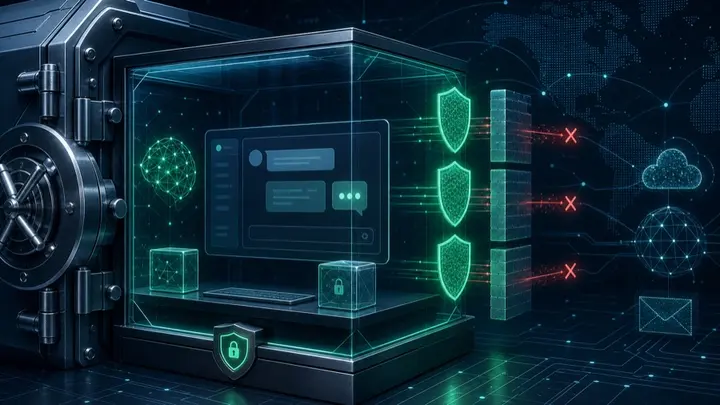
ChatGPT Lockdown Mode Shows Prompt Injection Defense Is About Egress Control
OpenAI’s ChatGPT Lockdown Mode is a useful reminder that prompt-injection defense is not just about model behavior. It is about limiting outbound paths, connector permissions, and tool access around sensitive work.
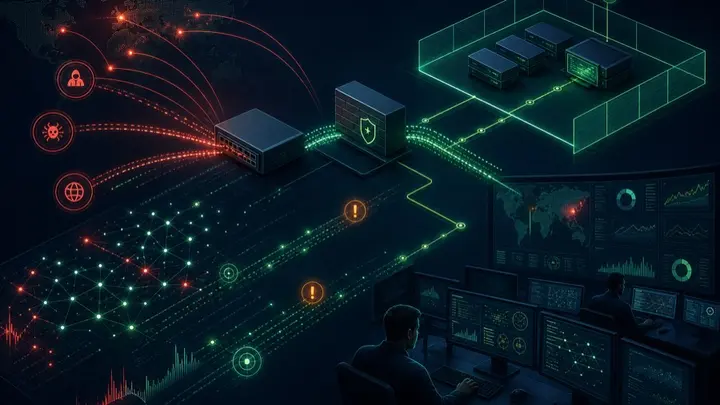
PAN-OS GlobalProtect Exploitation Shows VPN Access Needs Log Review, Not Just Patching
Unit 42 reports active exploitation attempts against PAN-OS GlobalProtect CVE-2026-0257. Defenders should patch, but also review VPN sessions, authentication override cookie behavior, and edge-device telemetry for signs of unauthorized access.

UNC3753 Brings Vishing, RMM Abuse, and Physical Intrusions to U.S. Law Firms
Mandiant reports that UNC3753, also known as Luna Moth / Silent Ransom Group, is targeting U.S. law firms and professional services with vishing, RMM abuse, rapid data theft, and suspected physical office intrusions. Here is what SMBs and government contractors should lock down n
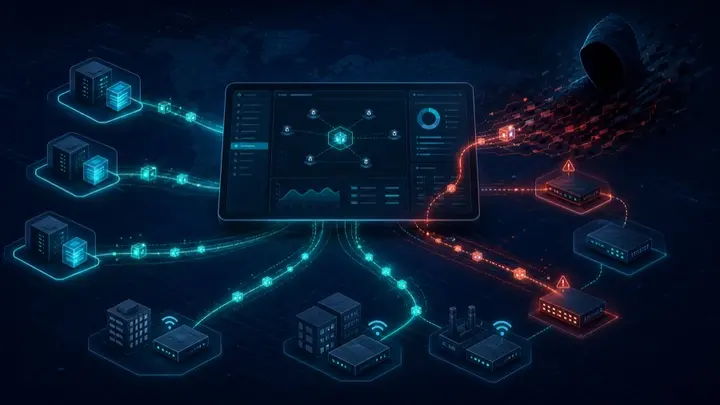
Cisco SD-WAN Zero-Day Shows Edge Controllers Need Compromise Review
Cisco says CVE-2026-20245 has been exploited against Catalyst SD-WAN Manager. Defenders should preserve evidence, review controller logs, validate edge-device configuration, and restrict management-plane access.