


Showing 121–144 of 305 reports
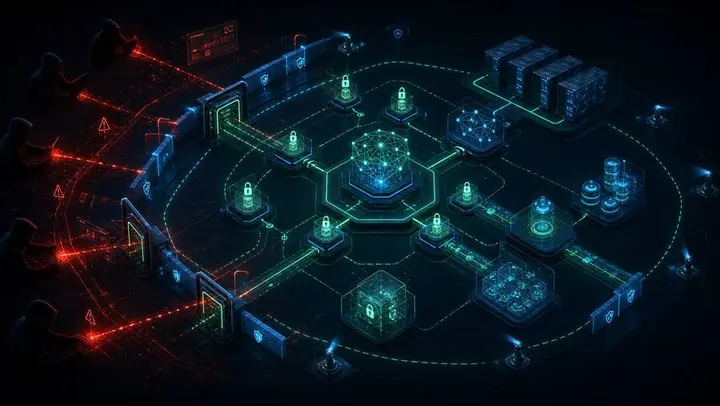
AI Infrastructure Is Becoming a Control Plane Attack Surface
Microsoft observed attackers targeting AI gateways, RAG platforms, and workflow orchestrators. For SMBs and government contractors, AI infrastructure now needs control-plane security discipline.
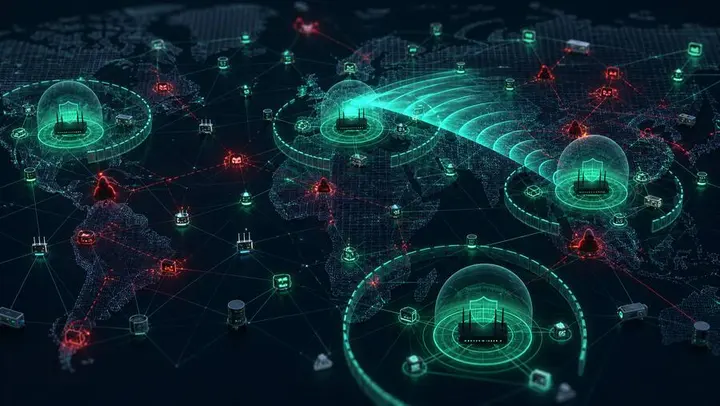
QScan and QTRouter Show Why Proxy Infrastructure Is an Espionage Force Multiplier
The FBI/DOJ disruption of QScan and QTRouter shows how China-linked operators turn reconnaissance and proxy routing into reusable espionage infrastructure.

vCenter Exploitation Shows Patching Alone Is Not Incident Response
Active exploitation of CVE-2026-59310 shows why VMware vCenter patching must be paired with compromise assessment, egress controls, and management-plane segmentation.
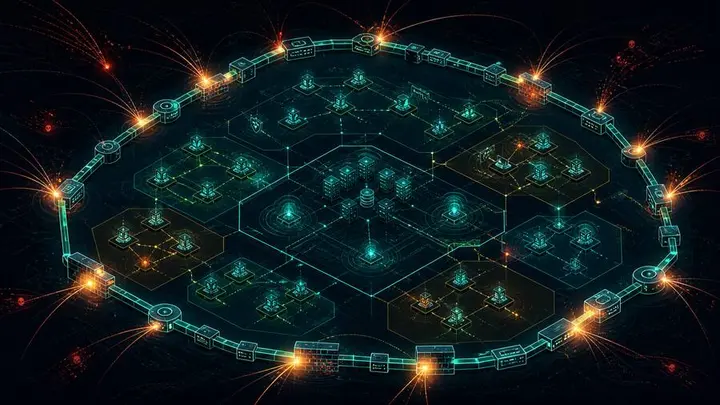
Edge Infrastructure Convergence Shows Why Perimeter Devices Need Their Own Patch SLAs
SentinelOne and Tenable found that state-backed actors and ransomware crews converge on the same perimeter products. For SMBs and government contractors, edge devices need dedicated patch SLAs, exposure monitoring, and compromise review.

Signed ClickOnce Lures Show Why Hiring Workflows Need Endpoint Guardrails
A fake Web3 interview chain used signed ClickOnce delivery to deploy credential stealers and a Go hVNC RAT. Here is what SMBs and government contractors should tighten now.
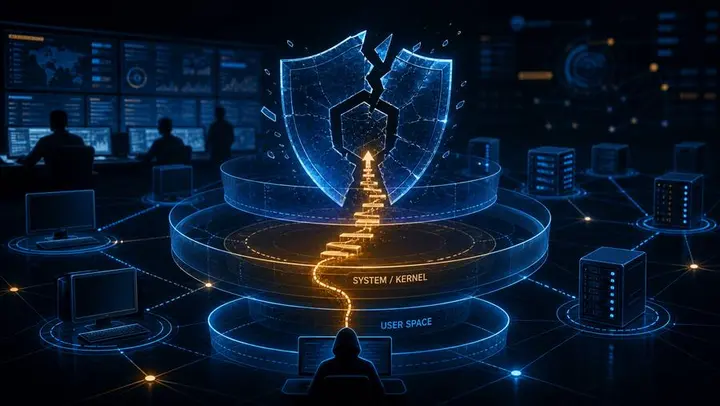
ShieldBreak Shows Why Endpoint Protection Needs Compensating Controls
CVE-2026-69414 is a Microsoft Defender privilege-escalation zero-day with public PoC and no patch yet. Here is how defenders should handle the exposure gap.

AI-Enabled Malware Still Behaves Like Malware
Unit 42’s telemetry shows most AI-enabled malware remains experimental, but the real risk is faster iteration and AI-branded delivery. Defenders still win by watching behavior, identity, signing, and execution.
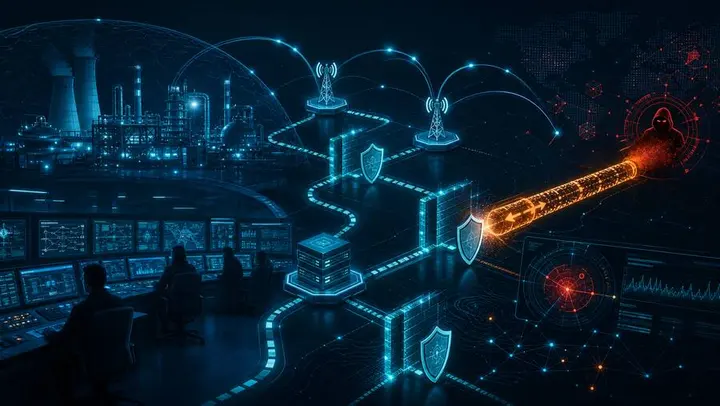
Private APNs Are Becoming OT Attack Paths
CERT Polska’s energy-sector follow-up shows how private APN connectivity can become an OT pivot path. Private LTE and 5G need segmentation, inventory, and monitoring—not blind trust.
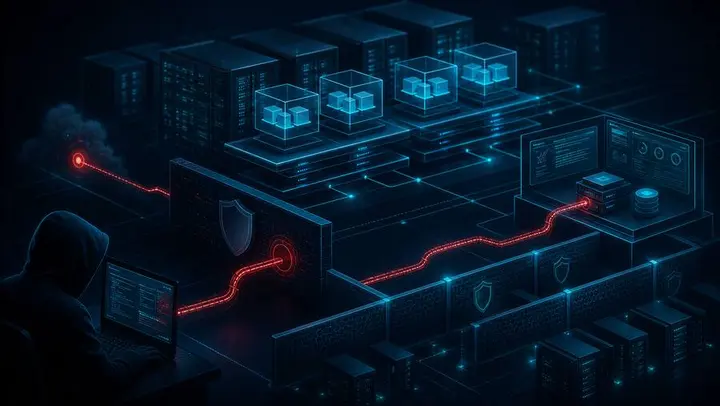
vCenter Exploitation Shows Why Control Planes Need Containment
Active exploitation of CVE-2026-59310 shows why vCenter needs more than fast patching: control-plane containment, egress limits, and compromise assessment matter.

Apollo Breach Shows Why Helpdesk Vishing Is a Cloud-Control Problem
Apollo confirmed a cloud breach after helpdesk-style social engineering. The defensive lesson: treat MFA resets, passkey enrollment, and SaaS downloads as control-plane events.

BTR.sys Shows Why Trusted Security Drivers Need Behavioral Monitoring
Check Point Research shows how Microsoft Defender’s boot-time remediation driver can be repurposed for privileged file and registry operations. The defensive lesson is simple: monitor trusted security components by behavior, not signature alone.
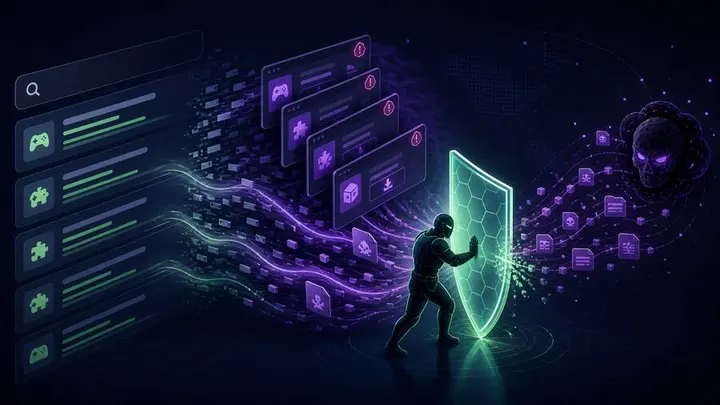
WeedHack Shows SEO Poisoning Is Malware Delivery Infrastructure
McAfee says WeedHack is still using fake gaming sites, SEO poisoning, Discord links, MediaFire, and GitHub-style trust signals to deliver malware. The same playbook can hit business users searching for tools and downloads.
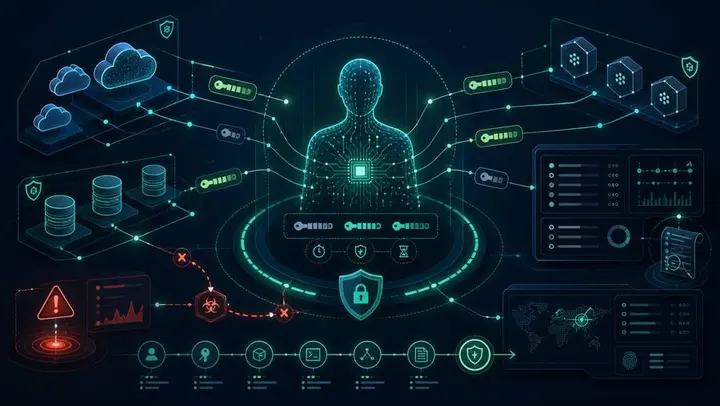
AI Agent Incidents Need Task-Scoped Incident Response
AI agents need incident response that maps credential use back to task authorization. Here is how SMBs and government contractors can reduce blast radius with task-scoped access, logging, and containment runbooks.
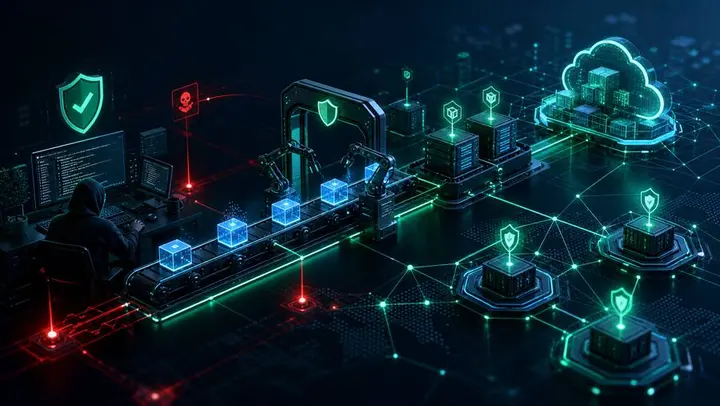
SDLC Supply-Chain Attacks Show Why Developer Tools Need Runtime Controls
Attackers are targeting developer endpoints, CI/CD pipelines, package managers, and cloud runtime—not just finished applications. Here is how SMBs and government contractors can reduce SDLC supply-chain blast radius.

Russian Auth-Flow Phishing Shows MFA Can Be Bypassed Without Exploits
Russian-linked clusters are abusing app passwords, OAuth consent, device-code login, WhatsApp linking, and captive portals. The defense is visibility and governance around authorization flows—not just MFA at login.

Fake AI Tools Show Brand Trust Has Become Malware Delivery
Sophos X-Ops found attackers repeatedly impersonating AI brands with fake installers, malicious extensions, phishing lures, and AI-assisted tooling. The near-term defense is not exotic: approved sources, browser governance, endpoint telemetry, DNS controls, token hygiene, and clear AI software rules.
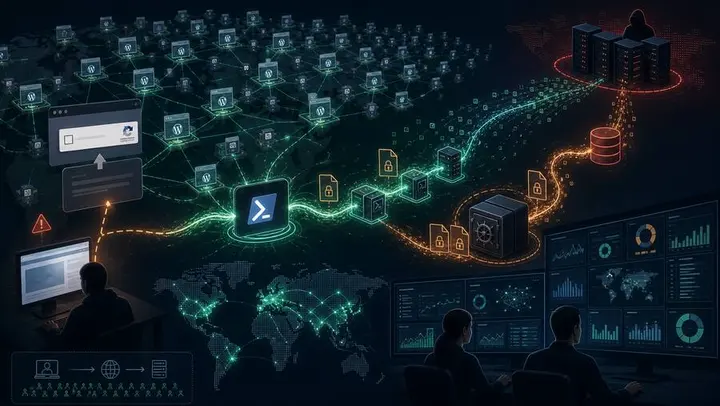
StopAndProtect Shows Why WordPress Sites Are Attack Infrastructure
Check Point Research exposed StopAndProtect, an operation abusing thousands of compromised WordPress sites for ClickFix delivery, malware staging, command routing, victim logging, data theft, and ransomware. The practical lesson: public websites need the same ownership, telemetry, and incident-response discipline as other production infrastructure.

MacSync Stealer Shows Why Behavioral Pivots Beat Rotating Domains
Microsoft Defender Experts expanded MacSync Stealer tracking from a small domain set to 30+ related domains by correlating durable endpoint and network behaviors. For defenders, the lesson is to hunt the attack chain—not just the rotating infrastructure.

PurpleDelta Shows Why Remote Hiring Is Now an Insider-Risk Control
Recorded Future’s PurpleDelta research shows North Korean IT worker operations using fabricated personas, AI-assisted interviews, remote desktop tooling, and facilitators to enter legitimate remote technical roles. Defenders should treat hiring, identity proofing, endpoint onboarding, and contractor access as one security workflow.

GitLab GraphQL Flaw Shows Why DevSecOps Platforms Need Emergency Patch Runbooks
GitLab patched CVE-2026-19478, a critical GraphQL flaw affecting self-managed CE/EE instances. Defenders should patch fast and verify DevSecOps platform integrity after the update.
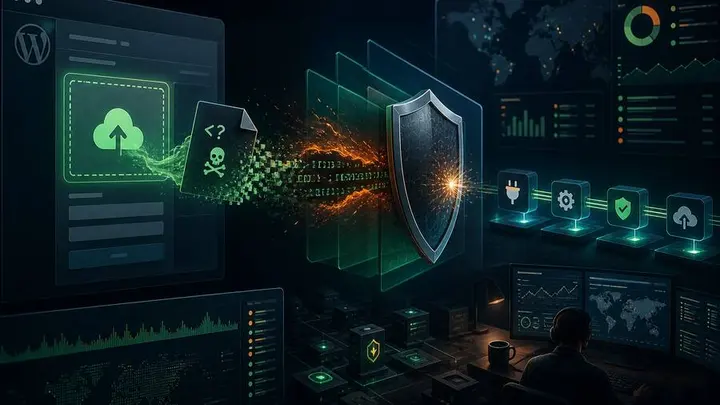
Forminator RCE Shows Why WordPress Plugin Risk Needs Runtime Controls
CVE-2026-15748 in Forminator Forms shows why WordPress file uploads need plugin patching, upload-directory hardening, and runtime monitoring—not just auto-update hope.

C2Looper Shows Why GitHub-Based C2 Belongs in Ransomware Triage
Zscaler ThreatLabz found C2Looper, a Rust-based backdoor that evolved to use GitHub for command-and-control. Here is what SMBs and government contractors should monitor before trusted-platform abuse becomes ransomware.
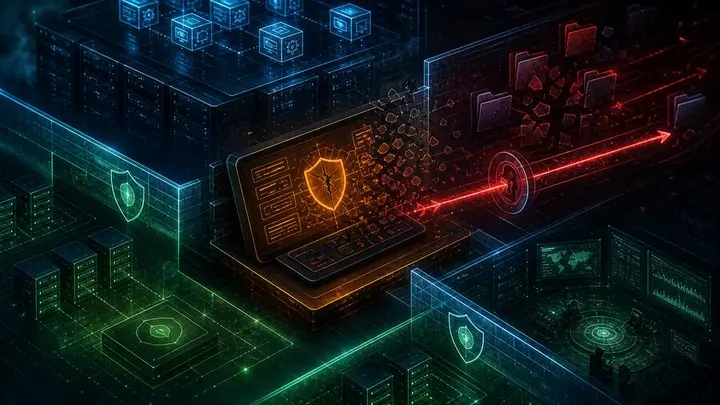
VMware vCenter Exploitation Shows Why Patching Is Not Incident Closure
Active exploitation of CVE-2026-59310 shows why VMware vCenter patching must be paired with compromise assessment, reverse-shell hunting, and control-plane segmentation.
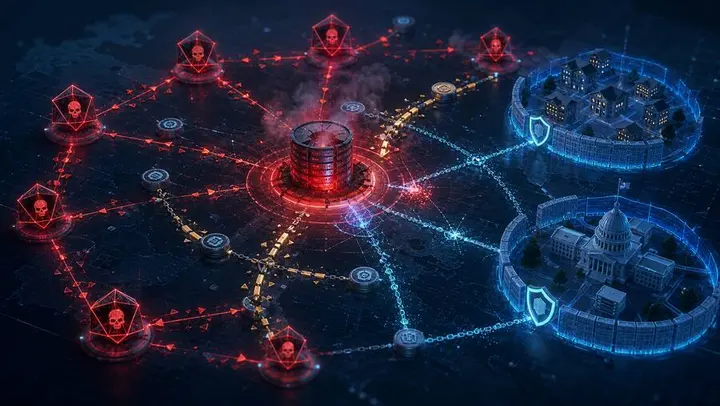
Ransomware’s Long Tail Means Defenders Need Faster Triage
Check Point Research’s Q2 2026 ransomware data shows a wider operator ecosystem, faster exploitation windows, and lower payment rates. Here is what SMBs and government contractors should harden first.