


Showing 193–216 of 379 reports

Pakistani Police Intrusions Show Why Public-Sector Data Systems Are Strategic Targets
SentinelLabs reporting on rival espionage activity against Pakistani law enforcement is a reminder that public-sector portals, case systems, and citizen-data apps are strategic intelligence targets — even when they are not classified systems.

Bad Epoll Shows Linux Kernel LPEs Belong in the Patch Priority Queue
Bad Epoll CVE-2026-46242 is a Linux kernel epoll race-condition LPE. Here is why SMBs and government contractors should prioritize kernel patching, developer endpoint hardening, and post-compromise controls.
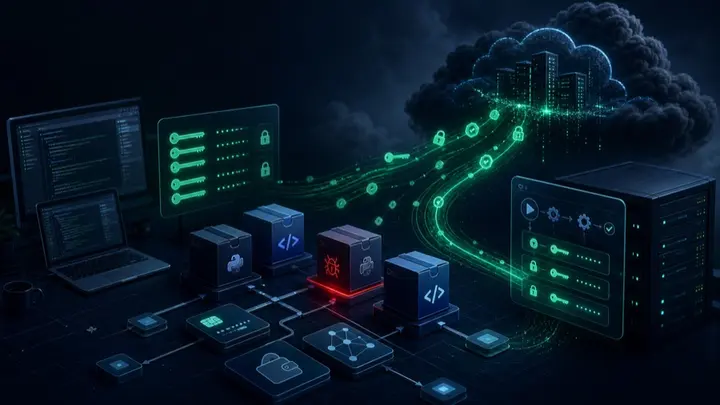
Fake Payment SDKs Show Why Dependency Risk Is Credential Risk
Socket uncovered malicious npm and PyPI packages impersonating Paysafe, Skrill, and Neteller SDKs. Here is what SMBs and government contractors should do now to protect CI secrets, developer machines, and payment integrations.
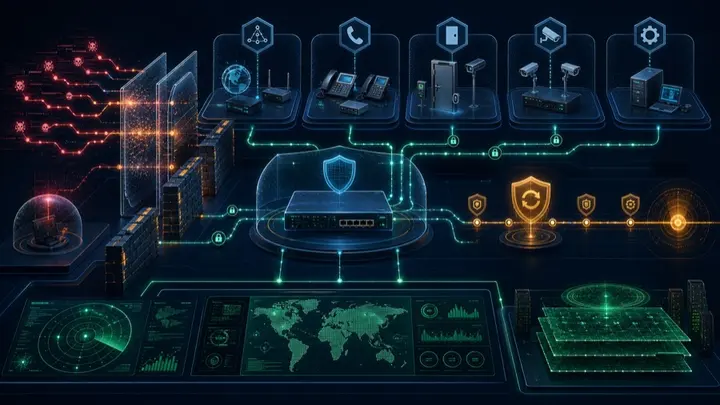
Critical UniFi Flaws Put Network Control Planes Back in the Patch Queue
Ubiquiti patched critical UniFi Connect, Talk, Access, Protect, and UniFi OS flaws. Here is what SMBs and government contractors should patch, restrict, and review now.
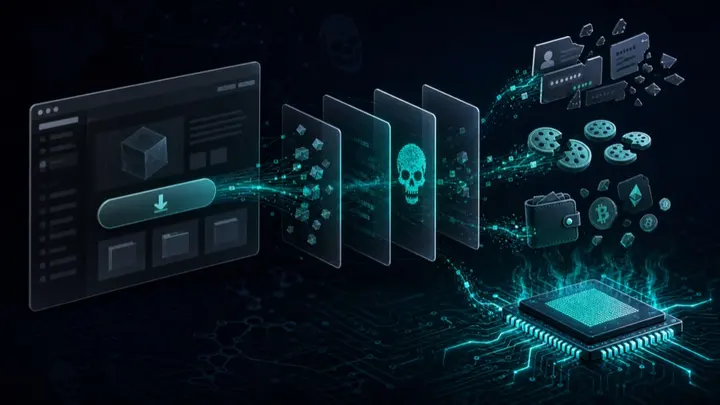
Vidar Stealer Campaign Shows Why File Size and Fake Signatures Still Beat Weak Controls
Unit 42 reported a Vidar stealer and XMRig campaign using malvertising, fake cracked-software lures, misleading certificate metadata, oversized binaries, and commodity loader infrastructure. Here is what SMBs and government contractors should take away.

ADFS Signing Keys Show Why Federation Servers Are Tier-Zero Identity Infrastructure
Mandiant shows how ADFS certificate drift and Machine DPAPI can expose active signing keys. Here is what SMBs and government contractors should do now.

UAT-7810 Shows Edge Devices Are Becoming China-Nexus Relay Infrastructure
Cisco Talos reports UAT-7810 is expanding ORB relay infrastructure using compromised edge and embedded devices. Here is what SMBs and government contractors should do now.
FortiBleed Shows Firewall Credentials Are Ransomware Fuel
SOCRadar linked the FortiBleed FortiGate credential-harvesting campaign to INC and Lynx ransomware operations. Here is what SMBs and government contractors should do next.

NetNut and Popa Takedown Shows Residential Proxies Are Now Attack Infrastructure
The FBI and industry partners disrupted NetNut and the Popa botnet. Here is why residential proxy abuse matters for SMBs, government contractors, and defenders.
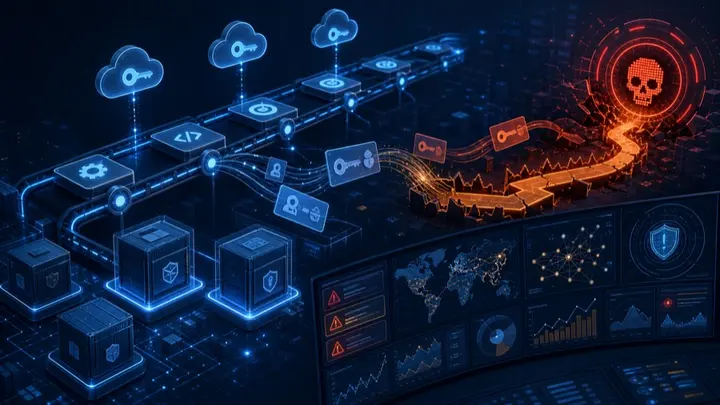
Vect and TeamPCP Show Supply-Chain Credentials Are Ransomware Fuel
Sophos CTU reports that Vect and TeamPCP have linked ransomware deployment with supply-chain credential theft. Here is what SMBs and government contractors should harden now.
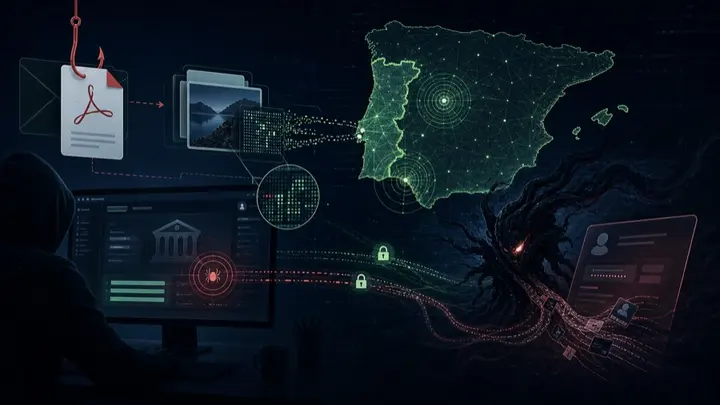
Ousaban Shows Banking Trojans Are Learning to Hide From Sandboxes
Ousaban’s Spain and Portugal campaign shows how banking trojans use geofencing, phishing PDFs, steganography, and daily-changing C2 to evade sandbox-heavy defenses.

NUT upsmon Command Injection Shows UPS Monitoring Belongs in the Patch Queue
CVE-2026-54161 in Network UPS Tools upsmon shows why UPS monitoring, notification scripts, and power-infrastructure control paths need patching, segmentation, and process monitoring.

ARToken Shows Microsoft 365 Tokens Are the New BEC Control Plane
Cisco Talos uncovered ARToken, an EvilTokens-linked phishing-as-a-service panel built around Microsoft 365 token theft, device-code phishing, mailbox access, SharePoint operations, and BEC automation. The practical lesson: treat identity tokens, inbox rules, and cloud collaborati
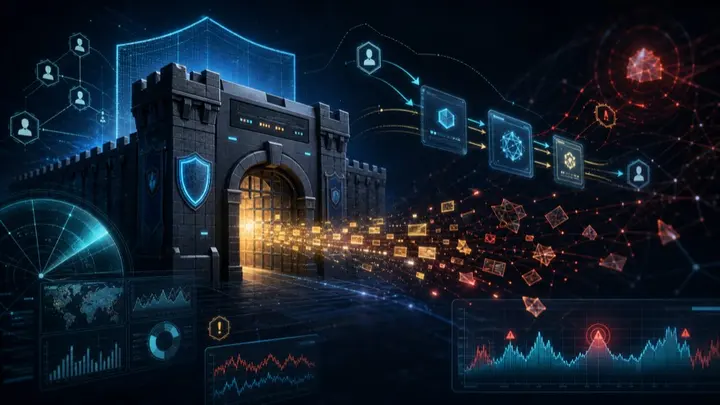
CitrixBleed Keeps Returning: NetScaler SAML IdP Memory Leaks Need Edge-Control Discipline
Citrix patched CVE-2026-8451, a NetScaler SAML IdP memory overread in the CitrixBleed family. Here is what SMBs and government contractors should do now.
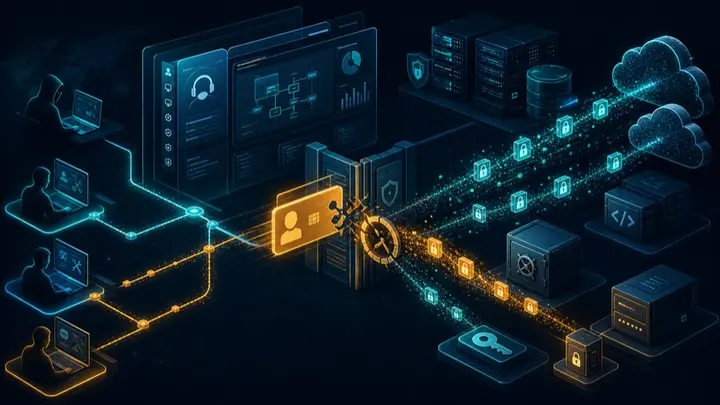
SimpleHelp Exploitation Shows RMM Is a Credential Control Plane
Active exploitation of SimpleHelp CVE-2026-48558 shows why RMM platforms must be treated as privileged credential control planes, not routine support tools.

Leaky iOS AI Apps Show Mobile AI Needs Real API Gateways
A study of iOS AI chatbot apps found widespread exposure of API keys, open AI proxy access, and replayable tokens. The fix is not another client-side secret workaround; it is real backend authentication, scoped tokens, monitoring, and key isolation.
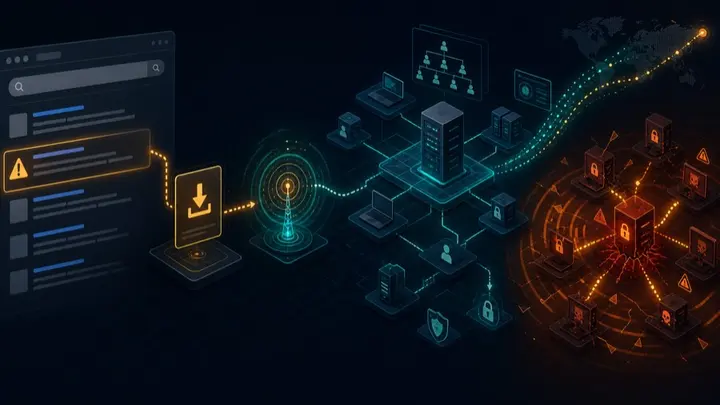
Bing SEO Poisoning Shows IT Admin Downloads Are Ransomware Initial Access
A DFIR Report case study shows how a fake ManageEngine OpManager download led from BumbleBee and AdaptixC2 to Akira ransomware. The defensive lesson: admin software downloads need control, verification, and monitoring.
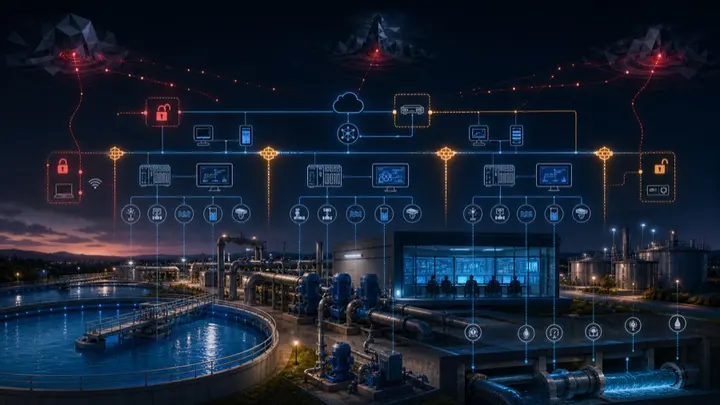
Water Systems Are Becoming Nation-State Pressure Points
Nation-state targeting of water systems shows why exposed OT, weak credentials, remote access, and poor IT/OT segmentation remain practical business risks—not just utility-sector problems.
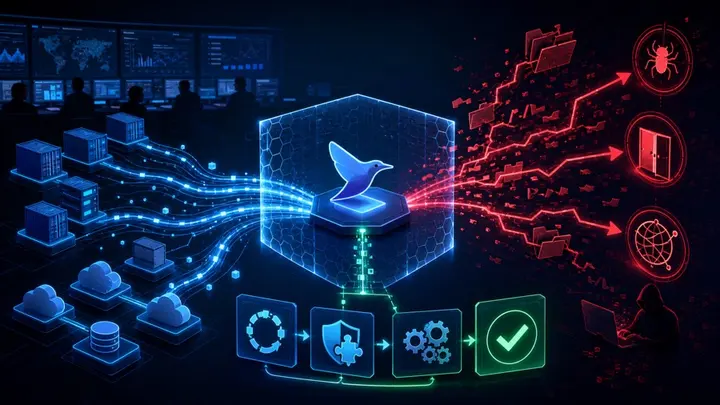
Fluentd Vulnerabilities Show Logging Pipelines Need Production-Grade Segmentation
Multiple Fluentd vulnerabilities show why log collectors need segmentation, least privilege, and hostile-input assumptions—not just patching.

Shai Hulud Shows CI/CD Identity Is Production Cloud Identity
Fortinet’s Shai Hulud case study shows how poisoned CI/CD dependencies can become cloud identity compromise, IAM escalation, and Redshift data theft. Here is what SMBs and government contractors should harden now.

Clean Repos Can Still Burn Developer Machines When AI Agents Trust Runtime Setup
A clean-looking repository can still become dangerous when an AI coding agent follows setup instructions and executes runtime-fetched configuration. Here is how teams should defend developer workflows.

Splunk Enterprise RCE Shows SIEM Servers Are Tier-Zero Infrastructure
CVE-2026-20253 shows why Splunk and other SIEM platforms need tier-zero hardening: patch quickly, restrict management access, review service accounts, and hunt for suspicious file writes.

NAIC Breach Shows Why PeopleSoft Internet Exposure Needs Immediate Review
NAIC’s PeopleSoft-linked breach is a practical warning for SMBs and government contractors: patch CVE-2026-35273, restrict administrative endpoints, and hunt for attacker staging before extortion begins.

Hospitality Photo-ZIP Campaign Shows Front Desk Workflows Are Initial Access Paths
Microsoft’s hospitality photo-ZIP campaign shows why front desk, booking, and customer intake workflows need executable-content controls, redirect-chain inspection, and endpoint hunting for unusual Node.js persistence.