








Microsoft Threat Intelligence’s latest reporting on Storm-2570 is a useful reminder that ransomware defense cannot stop at the name of the payload. Qilin, DragonForce, Anubis, and BERT may look like separate ransomware stories on an incident report, but Microsoft’s investigation shows recurring affiliate behavior underneath the brand labels.
For small and mid-sized organizations, especially government contractors with lean IT teams, that distinction matters. The ransomware binary is often the last visible stage. The earlier and more preventable activity is the repeated operational pattern: remote management tools, tunneling utilities, credential dumping, lateral movement, cloud exfiltration, and endpoint protection tampering.
What Microsoft reported
Microsoft tracks Storm-2570 as a ransomware affiliate active across multiple ransomware-as-a-service ecosystems. The actor has been observed in incidents affecting sectors including healthcare, education, government services, financial services, energy, retail, IT, food and agriculture, manufacturing, transportation, and nonprofits.
The key defensive point is not that Storm-2570 uses exotic tooling. It is that the group repeatedly uses familiar tools in a predictable sequence. Microsoft highlighted recurring use of remote monitoring and management platforms such as MeshAgent, Atera, ScreenConnect, Splashtop, Remotely_Agent, and NinjaRMM; discovery and lateral movement tools such as NetScan, Nmap, PsExec, Impacket, NetExec, and RDP scripts; and data transfer tools such as s5cmd and Rclone.
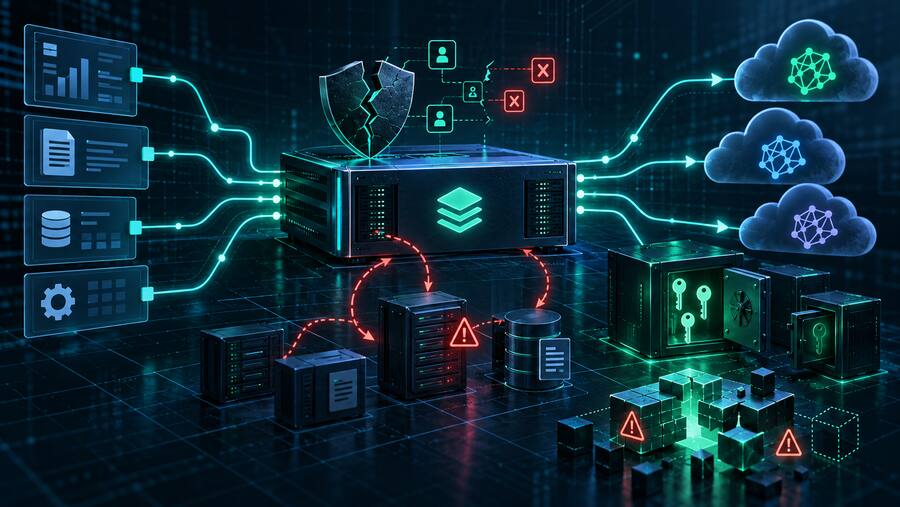
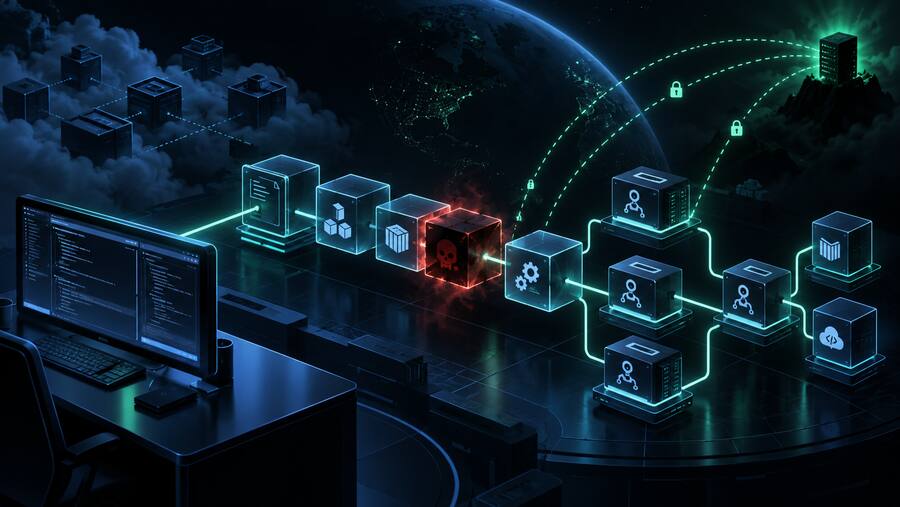
That combination is common in human-operated ransomware: gain access, expand control, dump credentials, weaken defenses, stage exfiltration, then deploy the payload. The ransomware family may change, but the pre-ransom behavior often remains detectable.
Why this matters for defenders
Many organizations still organize ransomware response around payload names. That creates a blind spot. If the SOC only searches for indicators tied to one ransomware brand, it may miss the same affiliate preparing a different payload weeks later.
Storm-2570 shows why defenders should build detections around behaviors that occur before encryption:
- New or renamed RMM services appearing on servers or domain-joined workstations
- Outbound tunnels created by utilities such as Cloudflare Tunnel or ngrok
- Unusual PsExec, WMI, Impacket, NetExec, or RDP enablement activity
- NTDS.dit access, ntdsutil IFM-style operations, or suspicious domain-controller staging paths
- Defender exclusions added for staging folders such as temporary or performance-related directories
- Large-volume cloud transfer activity using Rclone, s5cmd, or unfamiliar object-storage credentials
These signals are more durable than hashes. They also give defenders a chance to intervene before ransomware deployment, when containment is still less destructive.
Practical takeaways for SMBs and government contractors
1. Treat RMM tools as privileged infrastructure. Remote management agents are not just IT convenience software. Maintain an approved RMM inventory, require MFA for console access, alert on new RMM installs, and investigate renamed services that imitate internal naming conventions.
2. Monitor for tunnel creation, not just malware. Tools like Cloudflare Tunnel and ngrok can be legitimate, but they also create attacker-controlled access paths that bypass inbound firewall rules. Log service creation, command-line arguments, parent processes, and destinations for approved tunnel utilities.
3. Protect Active Directory like the incident is already underway. Alert on ntdsutil activity, Volume Shadow Copy abuse, registry hive collection, and unusual access to domain-controller backup material. If an attacker reaches NTDS.dit, the response should include credential reset planning, not just host cleanup.
4. Make security tampering noisy. Enable tamper protection where available. Alert when endpoint protection exclusions are added, real-time monitoring is disabled, or Defender-related registry values are changed. Exclusion changes should be tied to a ticket or approved admin action.
5. Watch for exfiltration staging before encryption. Double-extortion ransomware depends on data theft. Build detections for newly introduced file-transfer tools, unusual S3-compatible traffic, mass archive creation, and high-volume transfers from file servers or shared drives.
Bulwark Black assessment
The useful lesson from Storm-2570 is that ransomware affiliates are operational teams, not just payload delivery mechanisms. Their tooling, staging habits, and lateral movement patterns can be tracked across campaigns even when the final ransomware brand changes.
For resource-constrained defenders, the priority should be a short list of high-value controls: RMM inventory, domain-controller monitoring, tamper protection, lateral movement detection, and cloud-transfer visibility. That stack will not stop every intrusion, but it can convert a ransomware event from a surprise encryption crisis into a detectable hands-on-keyboard campaign.