











Category Archive
Privacy & Security
92 reports·All intelligence
Bulwark Black cyber threat intelligence filed under Privacy & Security.

Malicious Terraform Providers Show Why IaC Needs Supply-Chain Controls
Aikido found Graphalgo-linked Go malware in Terraform providers and Go modules. The defensive lesson is that infrastructure-as-code dependencies need the same scrutiny as application packages, because they often execute near production credentials.

RemControl Shows Why Mobile Banking Fraud Needs App-Control Guardrails
Group-IB reported RemControl, a new Android banking trojan that combines fake app pages, Accessibility Service abuse, banking overlays, remote control, and AI-assisted criminal infrastructure. The defensive lesson: mobile devices that approve access or payments need app-control guardrails and incident playbooks.

CLOSEDQUORUM Shows Why AI C2 Needs Behavior-Based Detection
Cisco Talos documented CLOSEDQUORUM, an AI-assisted implant that uses multiple LLM providers to choose its next action. The defensive answer is correlation, not simple domain blocking.

M-26-15 Makes PQC Migration a Contractor Readiness Issue
OMB Memorandum M-26-15 turns post-quantum cryptography migration into a planning, inventory, procurement, and contractor-readiness problem. Federal agencies and vendors should start with cryptographic inventories, TLS 1.3 milestones, crypto-agile architecture, and contract language now.

Exposed AWS Keys Show Why Secret Scanning Needs Incident Runbooks
Unit 42 analyzed how AWS quarantines publicly exposed IAM access keys after GitHub secret-scanning detections. For SMBs and government contractors, the lesson is clear: provider automation helps, but cloud teams still need logging, rotation, and incident runbooks for leaked secrets.

Linux Kernel LPE Quartet Shows Why Patch Validation Matters
Four Linux kernel local-root vulnerabilities show why defenders need kernel patch validation, container-host prioritization, and attack-surface reduction—not just initial-access monitoring.

WaterPlum Shows Why Developer Hiring Needs Malware-Resistant Guardrails
North Korea-linked WaterPlum/Contagious Interview shows why developer hiring, coding tests, contractor onboarding, and workstation isolation need to be treated as one security workflow.

BragJack Shows Why AI Browser Agents Need Extension Controls
BragJack demonstrates how malicious extensions can hijack AI browser agents, turning browser add-ons into a higher-impact endpoint risk. Here are the practical controls SMBs and government contractors should prioritize.

Honeywell Settlement Shows NIST 800-171 Is a Billing Risk
DOJ’s Honeywell Aerospace settlement is a reminder that NIST 800-171 gaps can create False Claims Act exposure for defense contractors even without a public breach.

Passkey Phishing Shows Why Microsoft 365 Needs Enrollment Guardrails
Microsoft is tracking passkey-themed social engineering that turns MFA enrollment trust into Microsoft 365 cloud compromise. Here is what SMBs and government contractors should monitor and lock down.
Ransomware’s Long Tail Means Defenders Need Faster Triage
Check Point Research’s Q2 2026 ransomware data shows a wider operator ecosystem, faster exploitation windows, and lower payment rates. Here is what SMBs and government contractors should harden first.

Azure Directory Dumps Show Why Identity Data Is Attack Infrastructure
A reported Azure and Entra directory exfiltration campaign shows why cloud identity data, service accounts, and org charts need defensive monitoring before attackers weaponize them.

Signed ClickOnce Shows Fake Interviews Are Now a Credential-Theft Delivery System
A fake Web3 interview chain used a signed ClickOnce app to deliver stealers and a RAT. Here is what SMBs and government contractors should change in endpoint, identity, and hiring-workflow defenses.

Ghost Phishing Shows Why Email Security Must Follow the Browser
Ghost phishing hides the real lure until the browser renders it. Here is what SMBs and government contractors should do to defend Microsoft 365 identities.

Pakistani Police Intrusions Show Why Public-Sector Data Systems Are Strategic Targets
SentinelLabs reporting on rival espionage activity against Pakistani law enforcement is a reminder that public-sector portals, case systems, and citizen-data apps are strategic intelligence targets — even when they are not classified systems.

Bad Epoll Shows Linux Kernel LPEs Belong in the Patch Priority Queue
Bad Epoll CVE-2026-46242 is a Linux kernel epoll race-condition LPE. Here is why SMBs and government contractors should prioritize kernel patching, developer endpoint hardening, and post-compromise controls.
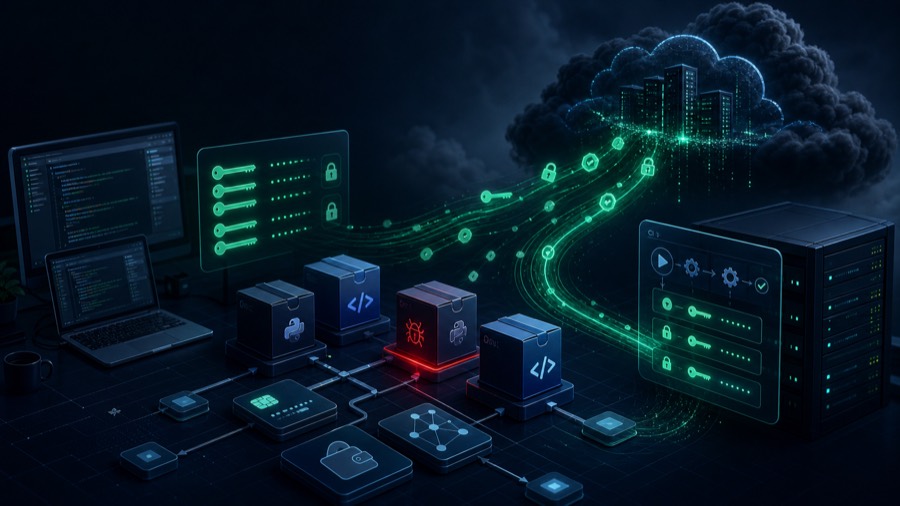
Fake Payment SDKs Show Why Dependency Risk Is Credential Risk
Socket uncovered malicious npm and PyPI packages impersonating Paysafe, Skrill, and Neteller SDKs. Here is what SMBs and government contractors should do now to protect CI secrets, developer machines, and payment integrations.
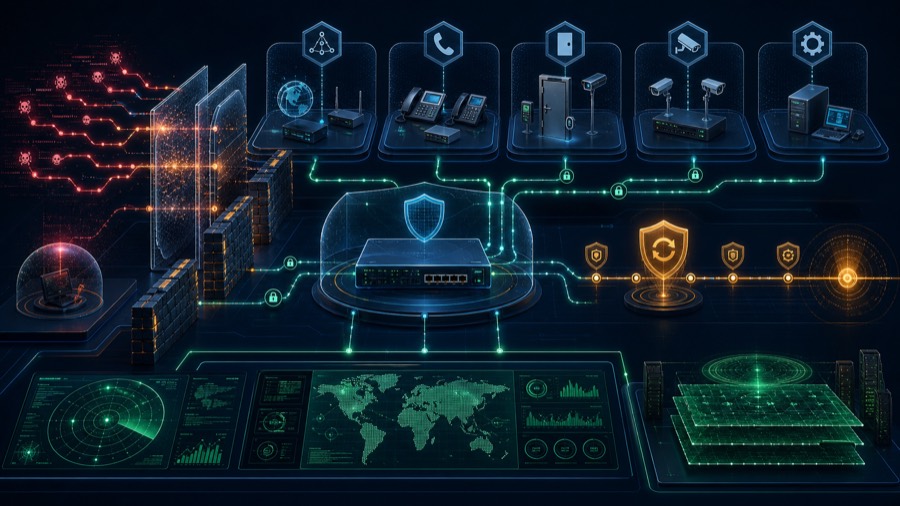
Critical UniFi Flaws Put Network Control Planes Back in the Patch Queue
Ubiquiti patched critical UniFi Connect, Talk, Access, Protect, and UniFi OS flaws. Here is what SMBs and government contractors should patch, restrict, and review now.

ADFS Signing Keys Show Why Federation Servers Are Tier-Zero Identity Infrastructure
Mandiant shows how ADFS certificate drift and Machine DPAPI can expose active signing keys. Here is what SMBs and government contractors should do now.

UAT-7810 Shows Edge Devices Are Becoming China-Nexus Relay Infrastructure
Cisco Talos reports UAT-7810 is expanding ORB relay infrastructure using compromised edge and embedded devices. Here is what SMBs and government contractors should do now.
FortiBleed Shows Firewall Credentials Are Ransomware Fuel
SOCRadar linked the FortiBleed FortiGate credential-harvesting campaign to INC and Lynx ransomware operations. Here is what SMBs and government contractors should do next.

NetNut and Popa Takedown Shows Residential Proxies Are Now Attack Infrastructure
The FBI and industry partners disrupted NetNut and the Popa botnet. Here is why residential proxy abuse matters for SMBs, government contractors, and defenders.
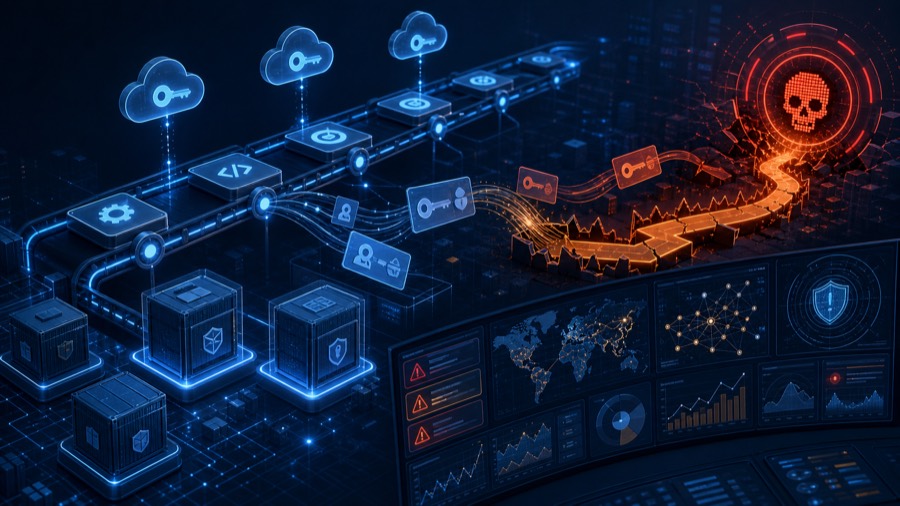
Vect and TeamPCP Show Supply-Chain Credentials Are Ransomware Fuel
Sophos CTU reports that Vect and TeamPCP have linked ransomware deployment with supply-chain credential theft. Here is what SMBs and government contractors should harden now.
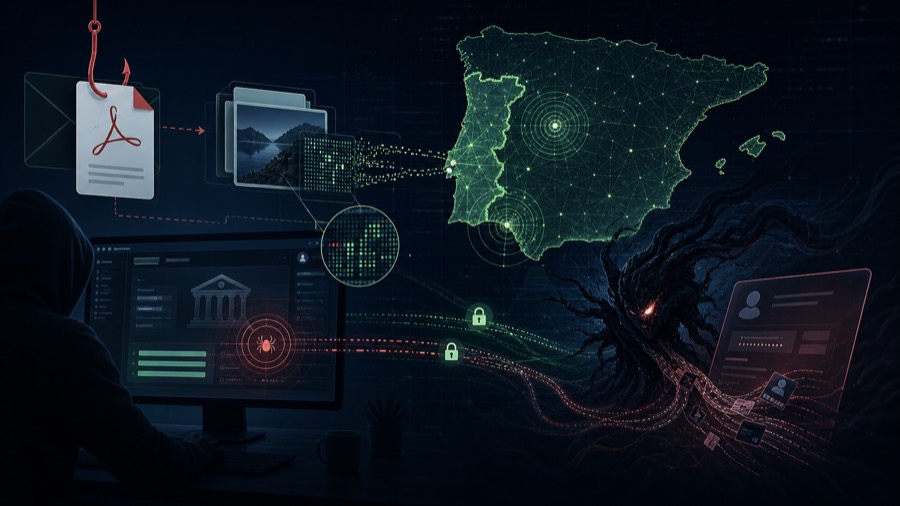
Ousaban Shows Banking Trojans Are Learning to Hide From Sandboxes
Ousaban’s Spain and Portugal campaign shows how banking trojans use geofencing, phishing PDFs, steganography, and daily-changing C2 to evade sandbox-heavy defenses.

NUT upsmon Command Injection Shows UPS Monitoring Belongs in the Patch Queue
CVE-2026-54161 in Network UPS Tools upsmon shows why UPS monitoring, notification scripts, and power-infrastructure control paths need patching, segmentation, and process monitoring.

ARToken Shows Microsoft 365 Tokens Are the New BEC Control Plane
Cisco Talos uncovered ARToken, an EvilTokens-linked phishing-as-a-service panel built around Microsoft 365 token theft, device-code phishing, mailbox access, SharePoint operations, and BEC automation. The practical lesson: treat identity tokens, inbox rules, and cloud collaborati
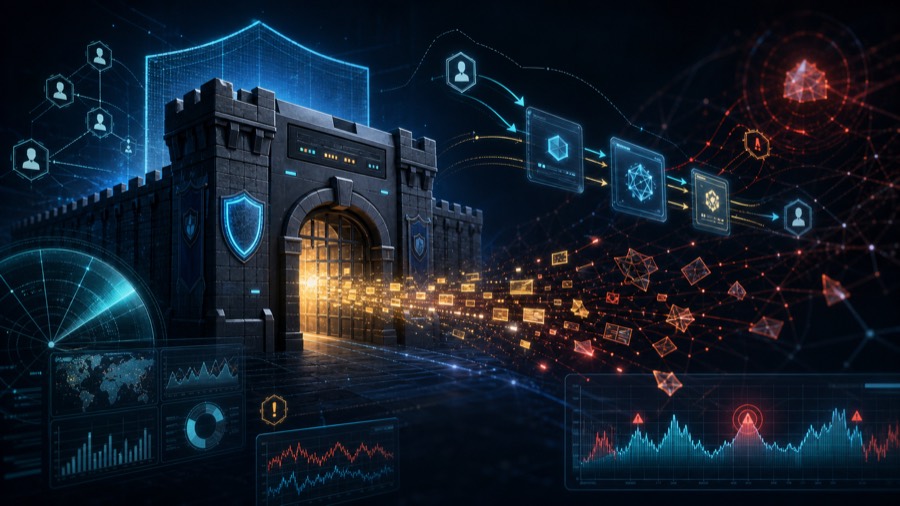
CitrixBleed Keeps Returning: NetScaler SAML IdP Memory Leaks Need Edge-Control Discipline
Citrix patched CVE-2026-8451, a NetScaler SAML IdP memory overread in the CitrixBleed family. Here is what SMBs and government contractors should do now.
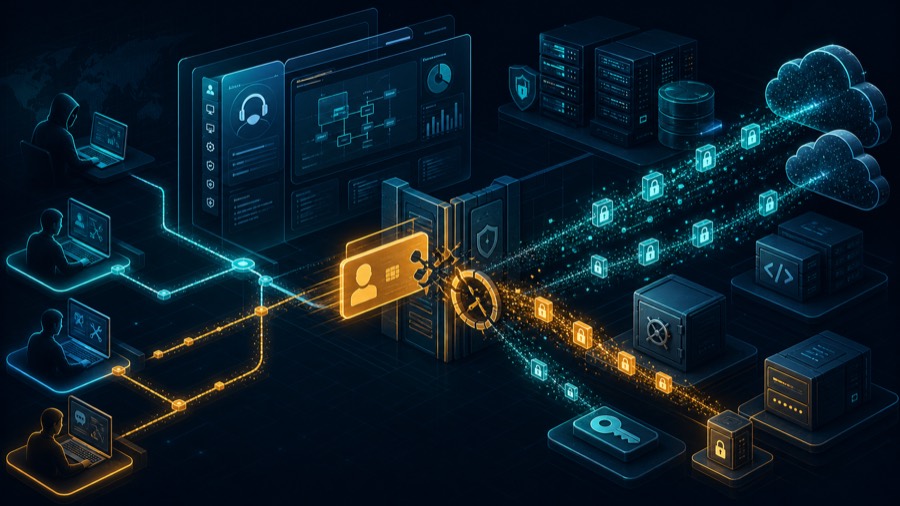
SimpleHelp Exploitation Shows RMM Is a Credential Control Plane
Active exploitation of SimpleHelp CVE-2026-48558 shows why RMM platforms must be treated as privileged credential control planes, not routine support tools.

Leaky iOS AI Apps Show Mobile AI Needs Real API Gateways
A study of iOS AI chatbot apps found widespread exposure of API keys, open AI proxy access, and replayable tokens. The fix is not another client-side secret workaround; it is real backend authentication, scoped tokens, monitoring, and key isolation.
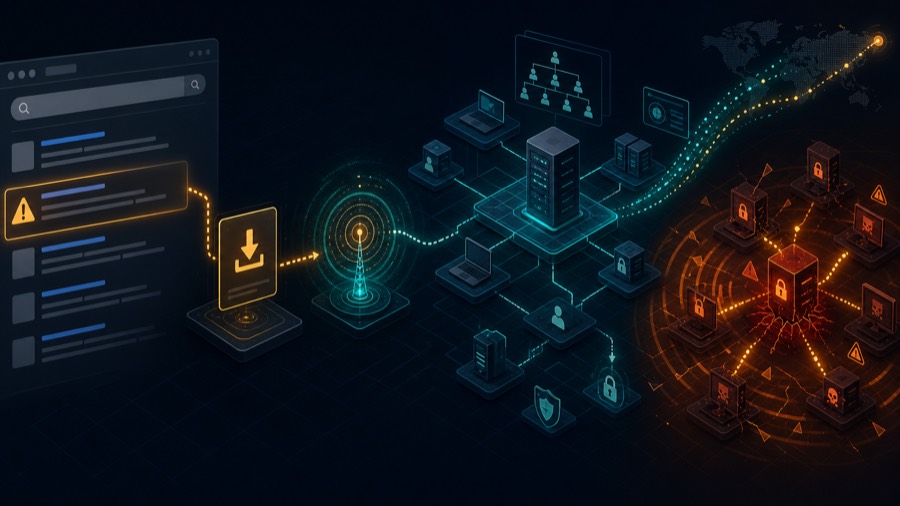
Bing SEO Poisoning Shows IT Admin Downloads Are Ransomware Initial Access
A DFIR Report case study shows how a fake ManageEngine OpManager download led from BumbleBee and AdaptixC2 to Akira ransomware. The defensive lesson: admin software downloads need control, verification, and monitoring.
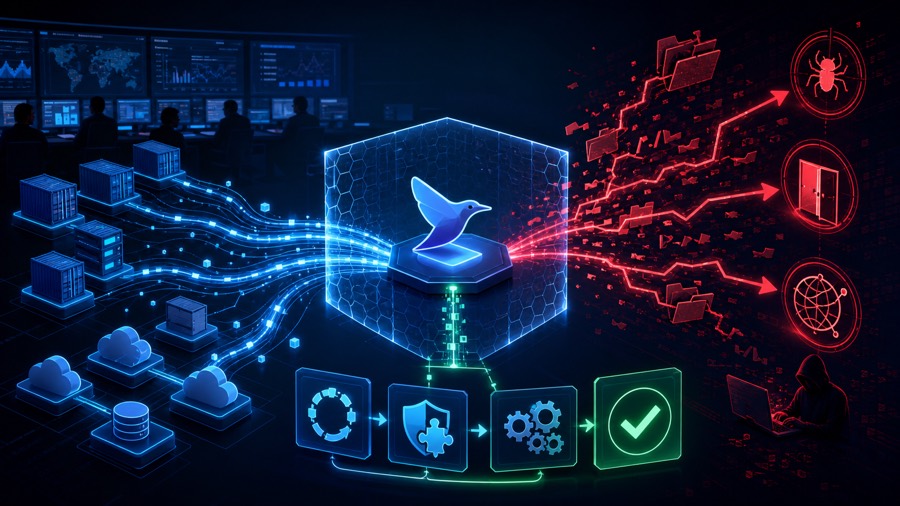
Fluentd Vulnerabilities Show Logging Pipelines Need Production-Grade Segmentation
Multiple Fluentd vulnerabilities show why log collectors need segmentation, least privilege, and hostile-input assumptions—not just patching.

Shai Hulud Shows CI/CD Identity Is Production Cloud Identity
Fortinet’s Shai Hulud case study shows how poisoned CI/CD dependencies can become cloud identity compromise, IAM escalation, and Redshift data theft. Here is what SMBs and government contractors should harden now.

Splunk Enterprise RCE Shows SIEM Servers Are Tier-Zero Infrastructure
CVE-2026-20253 shows why Splunk and other SIEM platforms need tier-zero hardening: patch quickly, restrict management access, review service accounts, and hunt for suspicious file writes.

Hospitality Photo-ZIP Campaign Shows Front Desk Workflows Are Initial Access Paths
Microsoft’s hospitality photo-ZIP campaign shows why front desk, booking, and customer intake workflows need executable-content controls, redirect-chain inspection, and endpoint hunting for unusual Node.js persistence.

CL-STA-1062 Shows Critical Infrastructure Intrusions Still Start With Web Shells
Unit 42’s CL-STA-1062 report shows why defenders should focus on exposed web apps, web shells, tunneling tools, scheduled-task persistence, and egress visibility — not just the TinyRCT malware name.
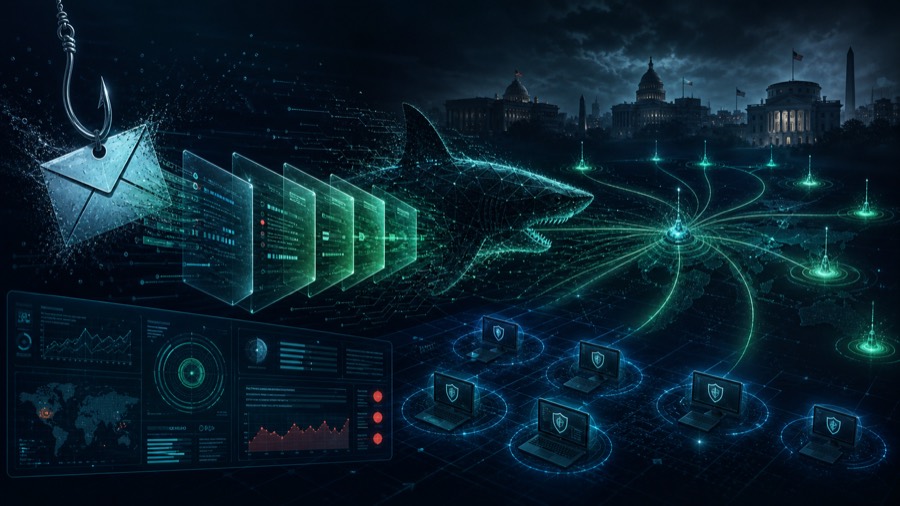
StrikeShark Shows Loader Malware Is an Edge-Exposure Problem
Kaspersky’s StrikeShark research shows how opportunistic exploitation of exposed servers can become a multi-stage SharkLoader and Cobalt Strike intrusion. Here is what SMBs and government contractors should review now.

MuddyWater’s Chaos Masquerade Shows Ransomware Response Needs Attribution Discipline
Iran-linked MuddyWater activity shows why ransomware response needs to examine identity compromise, remote access, and adversary objectives instead of trusting the ransom note at face value.
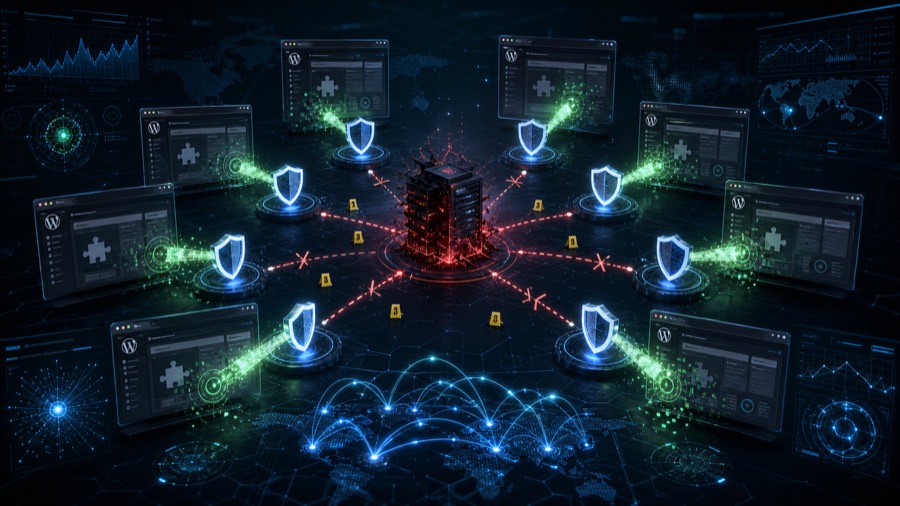
SocGholish Takedown Shows Website Trust Is Malware Infrastructure
Operation Endgame disrupted SocGholish infrastructure, but the defensive lesson is bigger: compromised trusted websites are malware delivery infrastructure.

Operation Escaneo Shows Latin America’s Edge Devices Are Prime Intrusion Targets
Operation Escaneo shows how financially motivated actors are turning exposed edge devices, tunnels, and privileged service accounts into full intrusion chains across Latin American government and critical infrastructure targets.

Mastra npm Compromise Shows AI Frameworks Are Supply-Chain Targets
Microsoft linked the Mastra AI npm package compromise to North Korean actor Sapphire Sleet. Here is what SMBs and government contractors should do about AI framework supply-chain risk.

Showboat Malware Shows Telecom Linux Servers Need Rootkit-Level Monitoring
Showboat is a China-linked Linux post-exploitation framework aimed at telecom providers. The lesson for defenders: treat Linux server persistence, dynamic linker abuse, and low-noise C2 as first-class monitoring priorities.
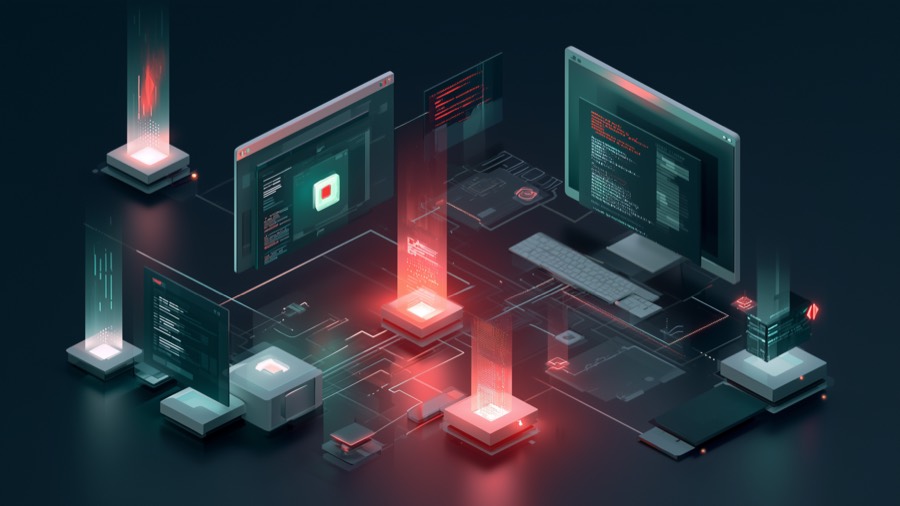
AutoJack Shows AI Browsing Agents Need Localhost Boundaries
Microsoft’s AutoJack research shows how a malicious webpage can abuse an AI browsing agent’s access to localhost services. The defensive lesson: treat agent control planes, MCP servers, and local tool runners like privileged admin surfaces.
Apache APISIX Auth Bypass Cluster Shows API Gateways Need Plugin-Level Review
Apache disclosed a cluster of APISIX authentication and identity plugin CVEs. The defensive priority is patching, plugin inventory, and validating what backend services trust from the gateway.
FortiBleed Shows Firewall Patching Is Not Compromise Recovery
FortiBleed is a reminder that edge firewall patching is necessary, but it does not prove a previously exposed appliance is clean. Defenders need compromise review, credential rotation, and rebuild plans for perimeter devices.

Vendor-Signed UEFI Apps Show Secure Boot Still Depends on Revocation Hygiene
CERT/CC warns that multiple vendor-signed UEFI applications can be abused to bypass Secure Boot before the operating system and EDR controls ever load. For SMBs and government contractors, the fix is not just firmware patching; it is verifying DBX revocation coverage across manag
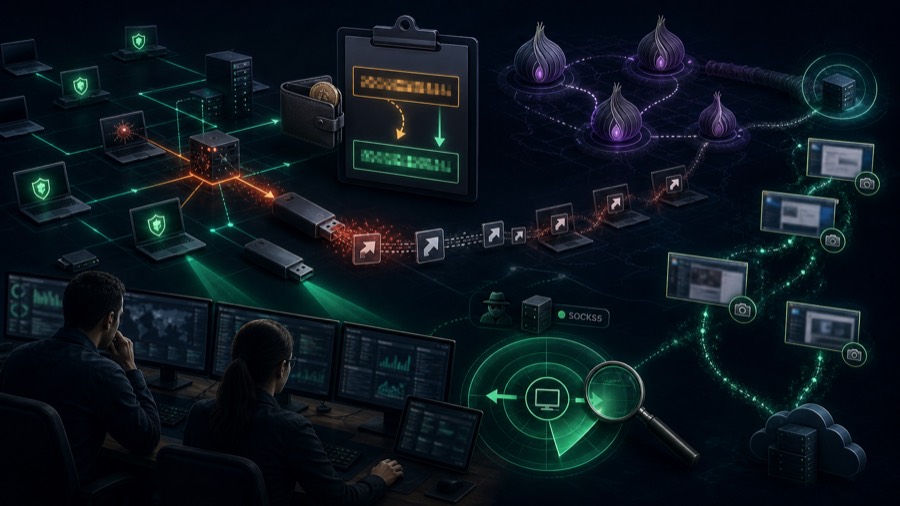
Tor-Based Crypto Clipper Shows Clipboard Theft Is Now Backdoor Activity
Microsoft research on a Tor-routed crypto clipper shows why defenders should connect USB shortcut execution, script interpreters, localhost proxy activity, and clipboard theft into one investigation path.
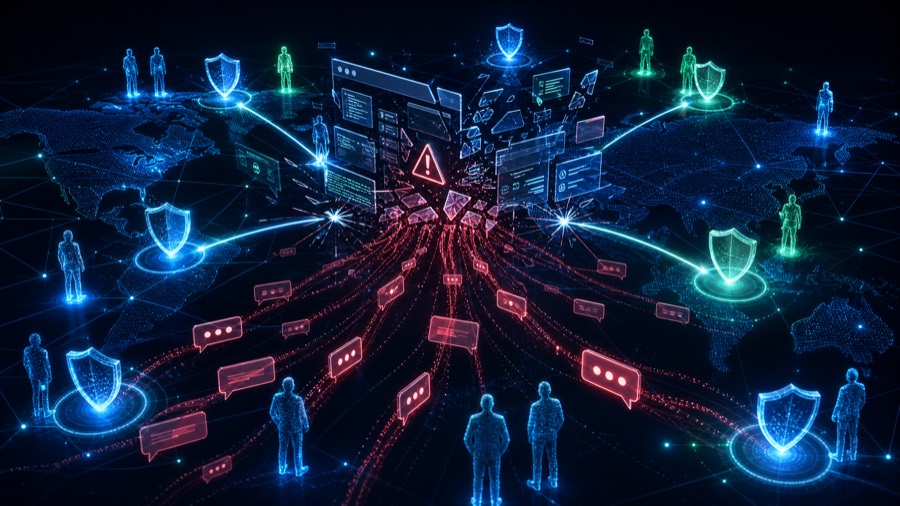
Outsider Enterprise Shows AI-Powered Phishing Is Now Industrial Infrastructure
The Outsider Enterprise takedown shows AI-powered phishing is now industrial infrastructure. SMBs and government contractors should prioritize phishing-resistant MFA, identity recovery controls, and rapid session revocation.

Handala’s Cal Water Claim Shows OT Defense Starts With Segmentation
Handala’s California Water Service claim is a reminder that critical-infrastructure defense starts with proving separation between billing systems, telemetry platforms, and operational technology.
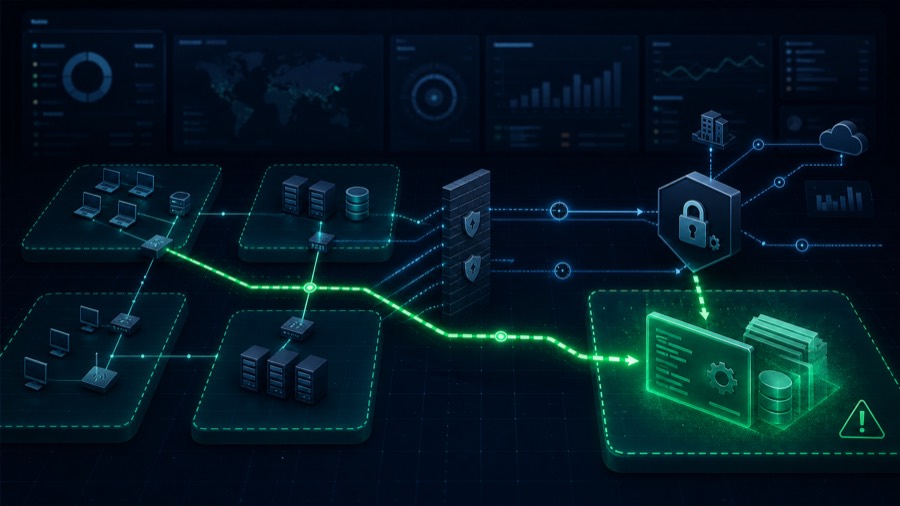
FortiPortal CVE-2026-49938 Shows Network Configuration Data Is a High-Value Target
Fortinet CVE-2026-49938 is a medium-severity FortiPortal API access-control issue, but sensitive network configuration exposure can still give attackers a valuable map of the environment.
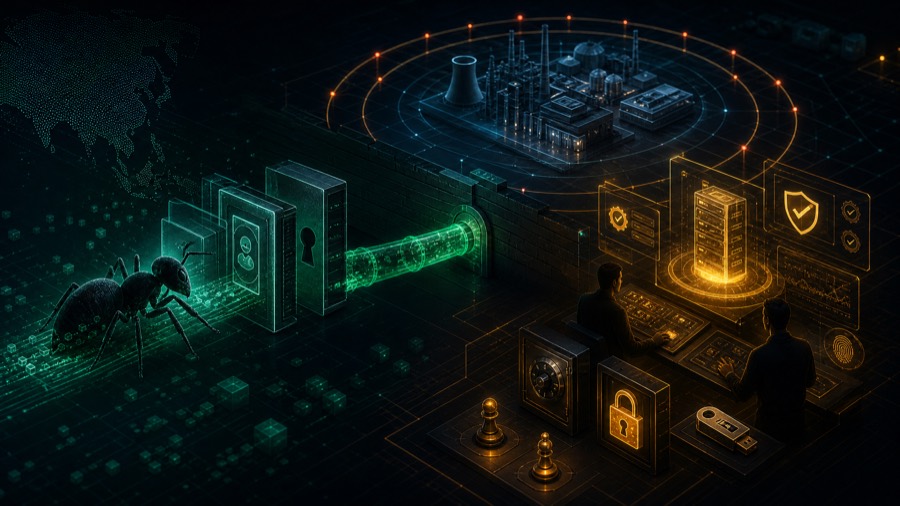
Velvet Ant Shows Authentication Infrastructure Is Critical Infrastructure
Velvet Ant’s Operation Highland shows why PAM, OpenSSH, jump hosts, and proxy paths deserve the same defensive priority as identity providers and domain controllers.
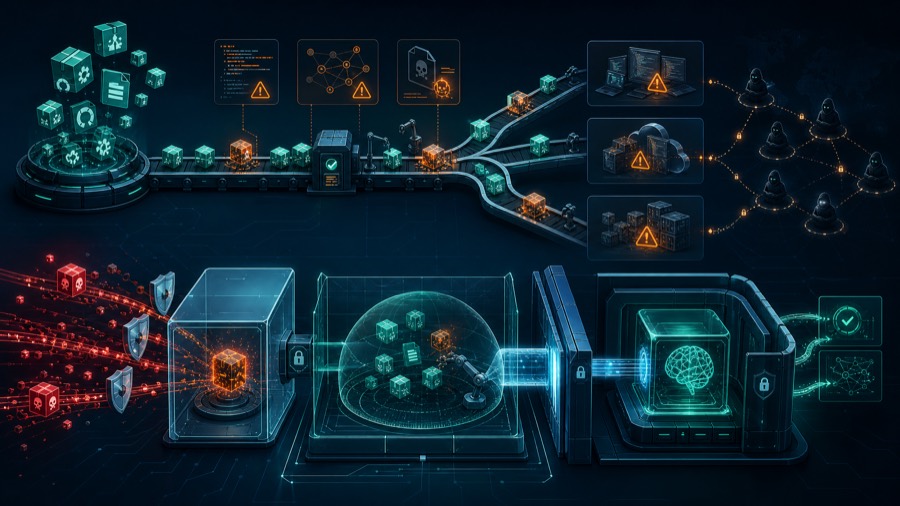
Shai-Hulud Shows AI Package Scanners Need Prompt-Injection Boundaries
Zscaler ThreatLabz says the Shai-Hulud campaign has expanded across package ecosystems and introduced prompt-injection tactics aimed at automated AI security triage. The defense lesson is simple: treat package content as hostile input, even when an LLM is doing the review.
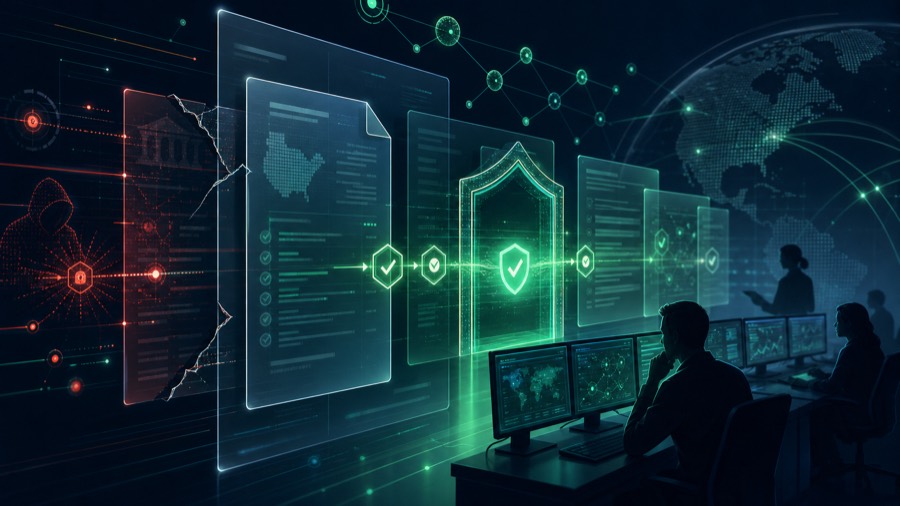
Maine Breach Portal Hoax Shows Disclosure Systems Need Verification Controls
Maine took its public breach notification database offline after fake disclosures were published. The lesson for SMBs and government contractors: public trust workflows need verification, moderation, and correction controls.
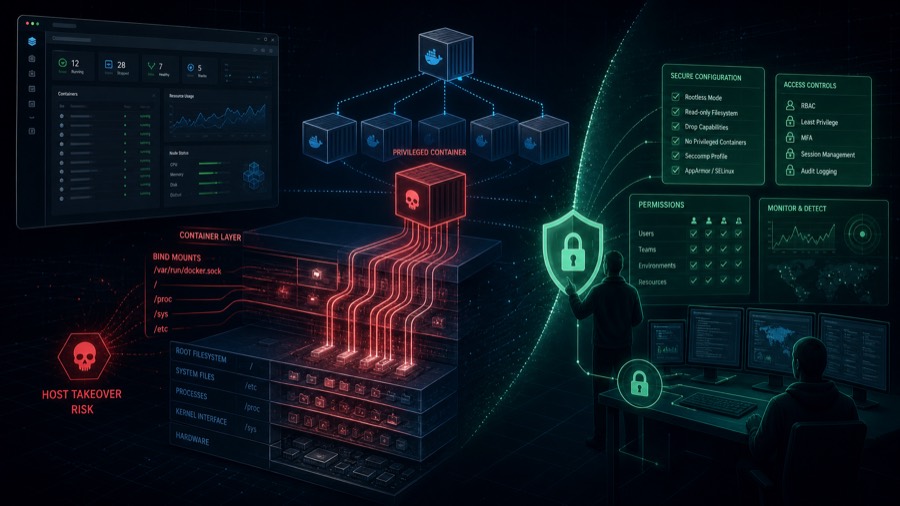
Portainer CVE-2026-33590 Shows Container Admin Tools Need Least Privilege Defaults
intWave disclosed CVE-2026-33590 in Portainer, where insecure default Docker security settings could let regular users escalate toward host takeover. Here is what SMBs and government contractors should lock down.
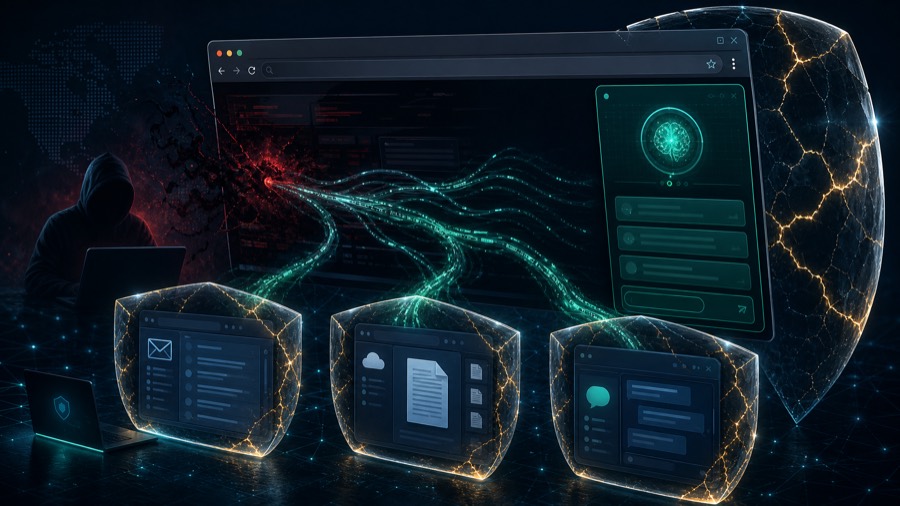
MaXSS and Spyder Show AI Browser Extensions Are an Endpoint Risk
Rebora disclosed MaXSS and Spyder, two critical flaws in AI browser-extension side panels. The lesson for SMBs and government contractors: browser extensions are endpoint software with identity-session reach and need governance.

LangGraph Checkpointer Bugs Show AI Agent Memory Is Backend Attack Surface
Check Point Research disclosed LangGraph checkpointer flaws that could turn user-controlled state-history filters into SQL injection, unsafe deserialization, and remote code execution. The lesson for SMBs and government contractors: AI agent memory is application infrastructure,

IMA Diligence Breach Shows Legacy Servers Are Still Third-Party Risk
A reported IMA Diligence breach affecting more than 525,000 people shows why legacy third-party servers need ownership, monitoring, decommissioning, and data-risk review.

SolarWinds Serv-U Exploitation Shows File Transfer Availability Is Security
CISA added actively exploited SolarWinds Serv-U CVE-2026-28318 to KEV. Here is what SMBs and government contractors should do about file-transfer availability risk.
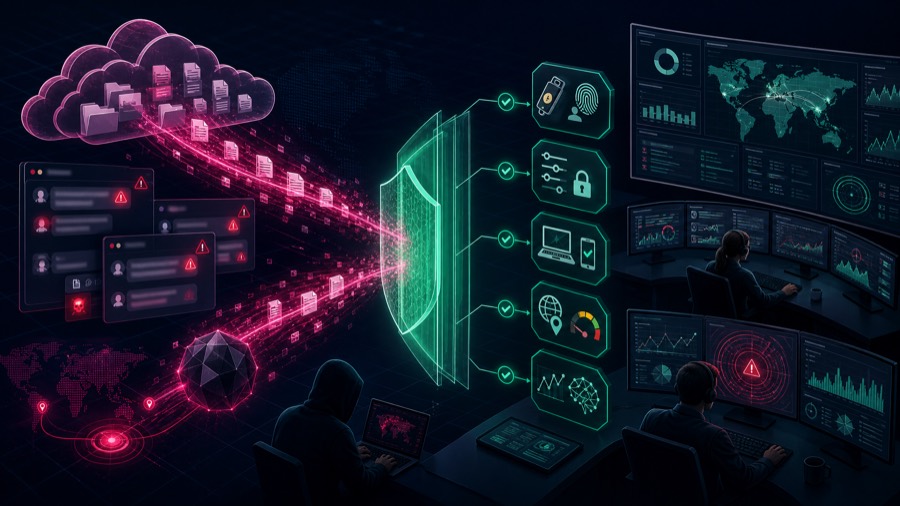
Pink Extortion Shows Microsoft 365 Defense Starts With Vishing Controls
Unit 42 is tracking Pink / CL-CRI-1147, a Com-affiliated extortion brand using vishing, credential theft, and Microsoft 365 data exfiltration. Here is what SMBs and government contractors should lock down now.
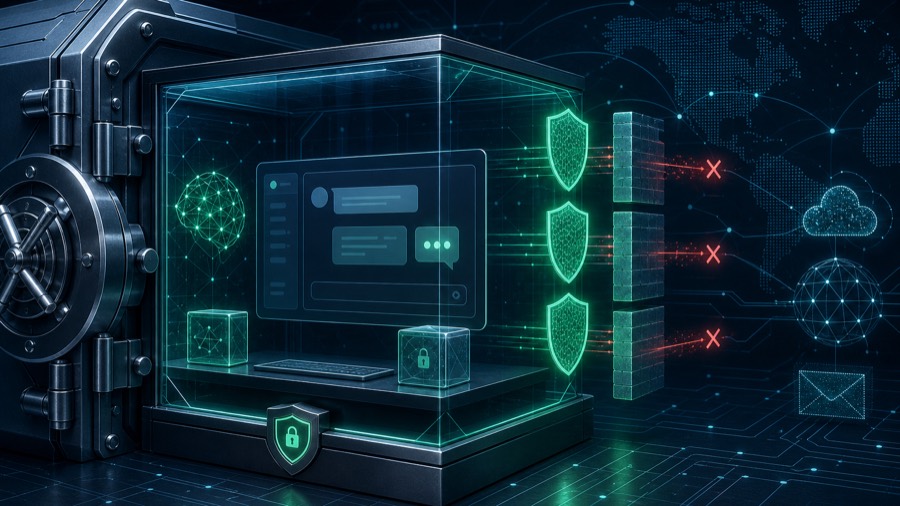
ChatGPT Lockdown Mode Shows Prompt Injection Defense Is About Egress Control
OpenAI’s ChatGPT Lockdown Mode is a useful reminder that prompt-injection defense is not just about model behavior. It is about limiting outbound paths, connector permissions, and tool access around sensitive work.

PAN-OS GlobalProtect Exploitation Shows VPN Access Needs Log Review, Not Just Patching
Unit 42 reports active exploitation attempts against PAN-OS GlobalProtect CVE-2026-0257. Defenders should patch, but also review VPN sessions, authentication override cookie behavior, and edge-device telemetry for signs of unauthorized access.
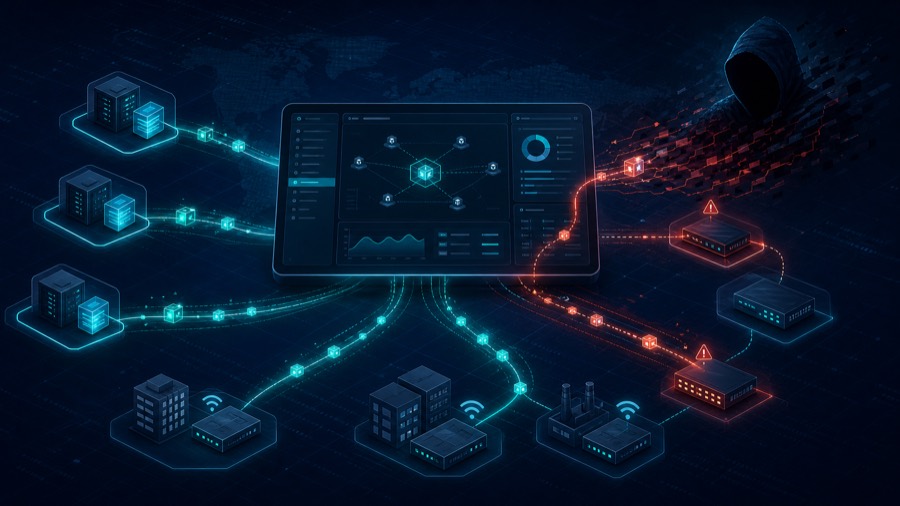
Cisco SD-WAN Zero-Day Shows Edge Controllers Need Compromise Review
Cisco says CVE-2026-20245 has been exploited against Catalyst SD-WAN Manager. Defenders should preserve evidence, review controller logs, validate edge-device configuration, and restrict management-plane access.

Agentic AI Failure Modes Show Why AI Tools Need Supply-Chain Controls
Microsoft’s updated agentic AI failure-mode taxonomy turns AI agents into a practical security architecture problem: plugins, prompts, memory, browser use, and human approvals all need controls.
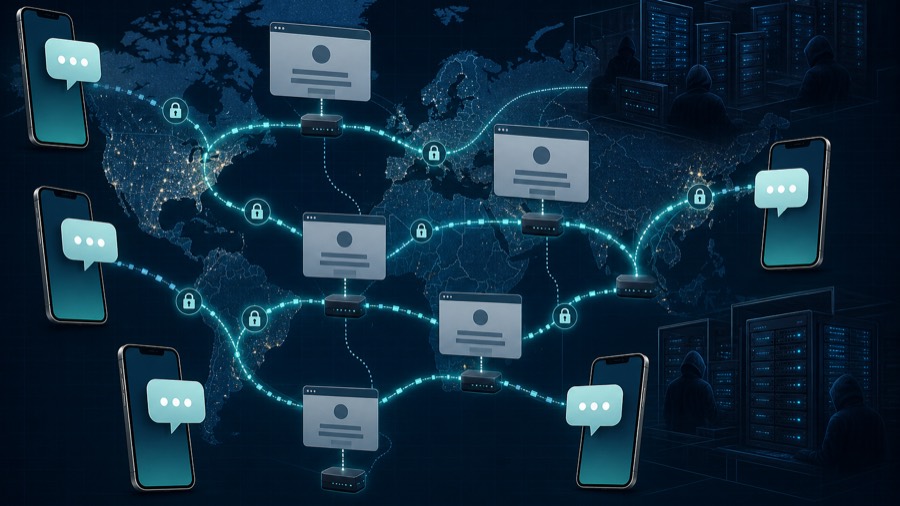
Error 524 Smishing Shows Why Fraud Infrastructure Needs CTI
Group-IB documented a global smishing operation using fake error pages, geofencing, and encrypted WebSocket exfiltration. Here is what SMBs and government contractors should take from it.

Stock Exchange Mailbox Espionage Shows Executive Email Is Strategic Infrastructure
A five-month espionage campaign against a stock exchange executive mailbox shows why senior email accounts need privileged-asset controls, cloud exfiltration monitoring, and scheduled-task hunting.
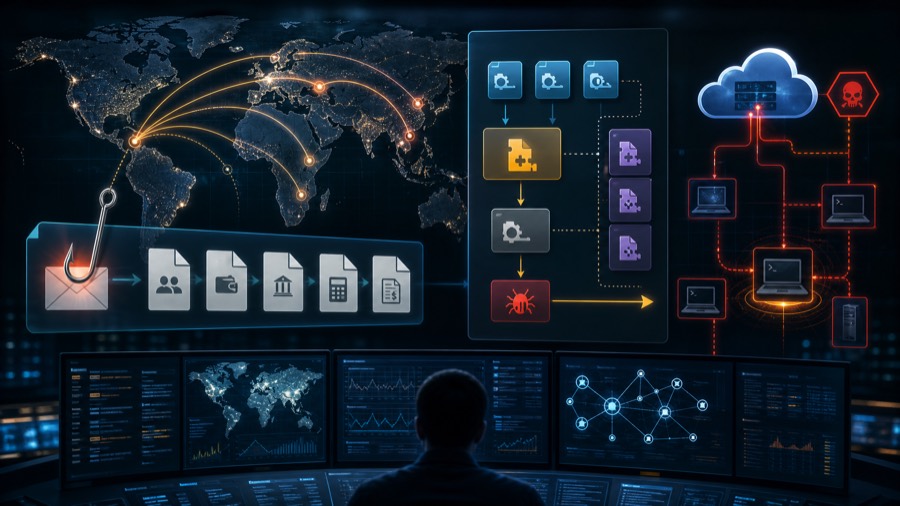
TA4922’s Global Expansion Shows HR and Tax Lures Are Initial Access Infrastructure
Proofpoint’s TA4922 reporting shows how localized HR, payroll, tax, and invoice lures can become full initial-access infrastructure through DLL sideloading, loaders, RATs, RMM tools, and browser credential theft.
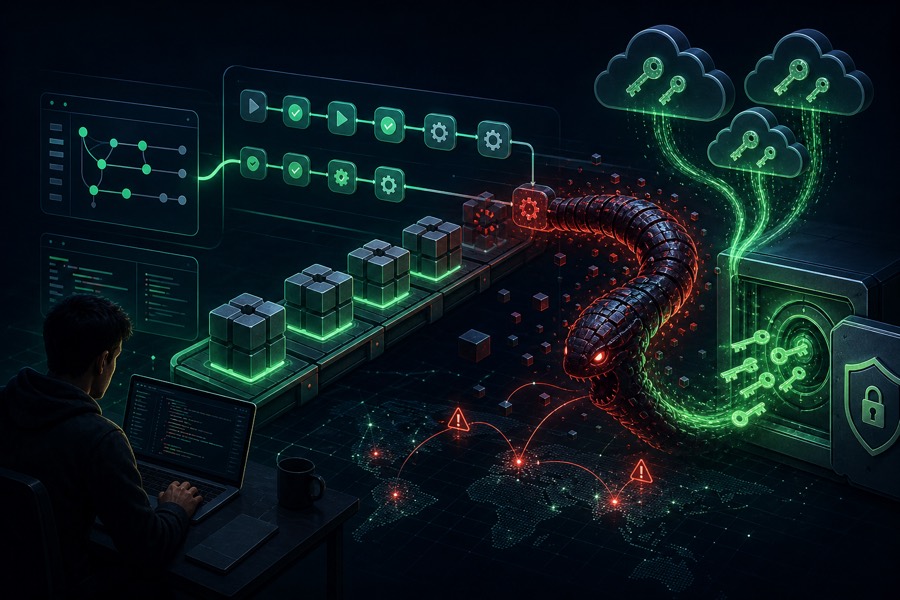
Red Hat’s Miasma npm Compromise Shows Trusted Publishing Is Not a Control Boundary
A Red Hat Cloud Services npm compromise shows why signed releases and trusted publishing must be paired with install-time controls, CI/CD isolation, and fast credential rotation.
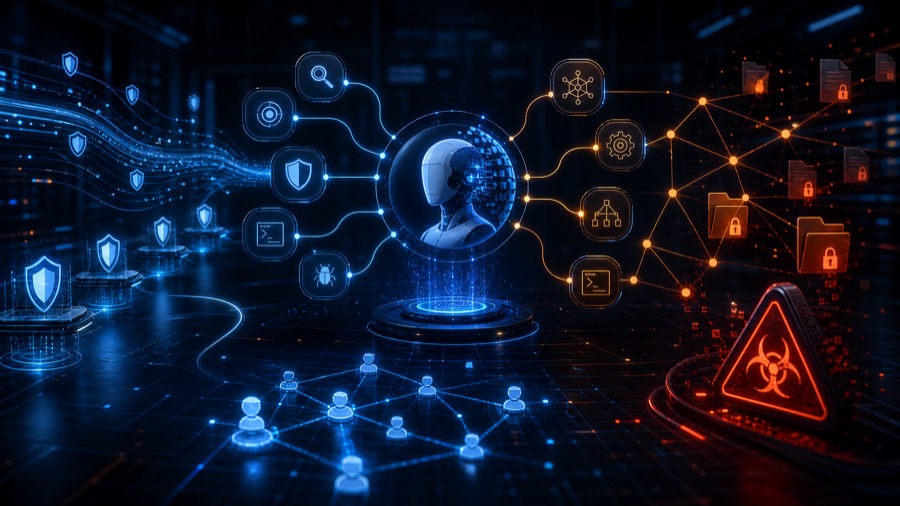
AI-Assisted Ransomware Tooling Shows EDR Evasion Is Now an Iteration Problem
Sophos observed ransomware-linked operators using AI-assisted development workflows to accelerate EDR evasion testing and Active Directory discovery. The defensive lesson: validate controls, harden identity, and monitor behavior before attackers iterate around your tooling.
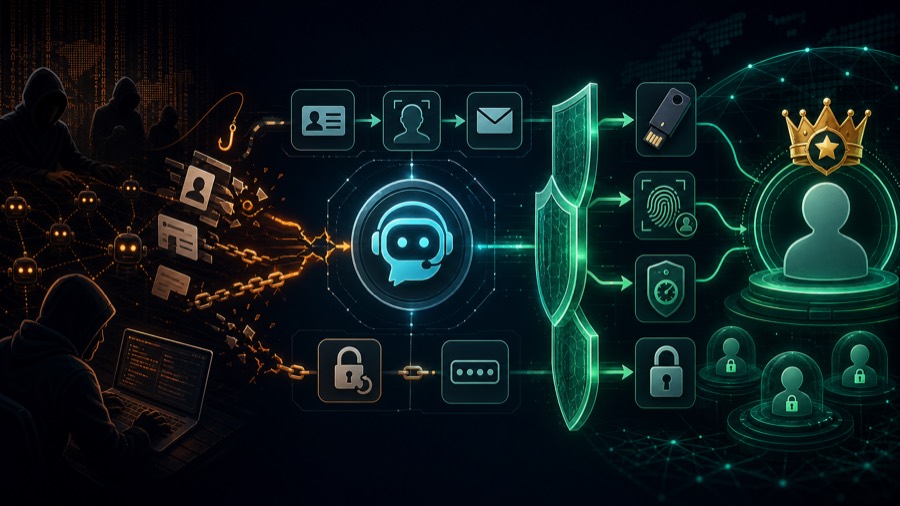
Meta AI Support Bot Abuse Shows Account Recovery Is Part of the Identity Perimeter
Attackers reportedly abused Meta’s AI support assistant during Instagram account recovery. The lesson for SMBs and contractors: recovery workflows are identity infrastructure and need MFA, monitoring, and guardrails.
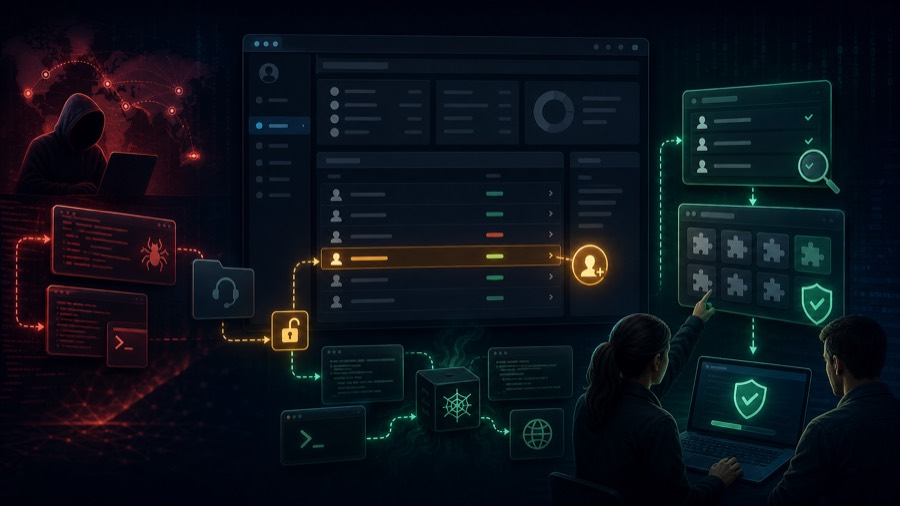
WP Maps Pro Exploitation Shows Why Plugin Support Features Need Security Review
Attackers are exploiting CVE-2026-8732 in WP Maps Pro to create rogue WordPress administrator accounts. Here is what SMBs and contractors should patch, audit, and verify.

Dependency Confusion Campaign Shows Reconnaissance Is the First Supply-Chain Payload
Microsoft found 33 malicious npm packages abusing dependency confusion to profile developer and build environments. The defender lesson: treat package installation as code execution and lock down internal namespace hygiene before attackers do reconnaissance at scale.
Poisoned Search and AI Recommendations Turn Utility Downloads Into RMM Access
Microsoft reported a cryptojacking campaign that uses poisoned search results, AI-surfaced software recommendations, fake utility downloads, and abused ScreenConnect access. Here is what SMBs and government contractors should defend first.

LiteSpeed cPanel KEV Shows Shared Hosting Is Privilege Escalation Terrain
CISA added CVE-2026-48172 to KEV after active exploitation of a LiteSpeed cPanel user-end plugin flaw that can let compromised hosting accounts execute scripts as root.
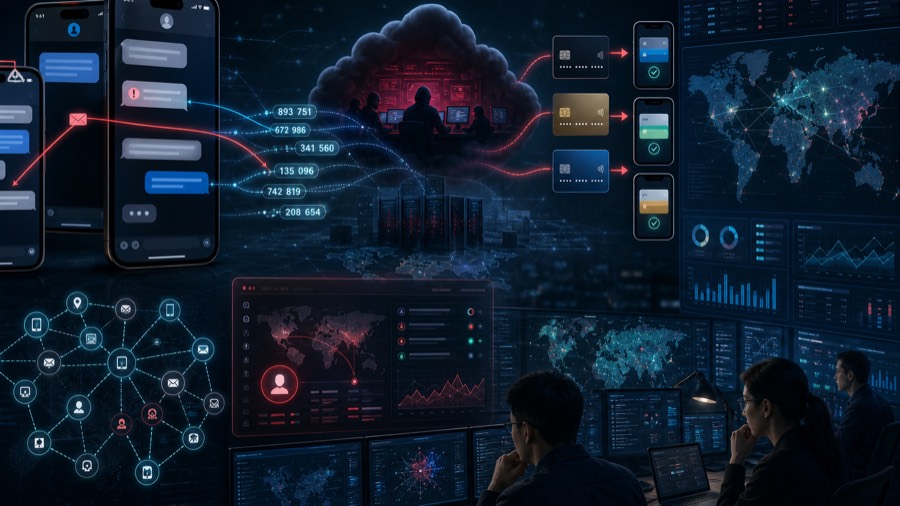
Chinese-Language PhaaS Shows MFA Bypass Is Becoming Real-Time Fraud
Google’s reporting on Chinese-language phishing-as-a-service shows why MFA bypass, real-time OTP interception, and digital wallet fraud require phishing-resistant authentication and session monitoring.
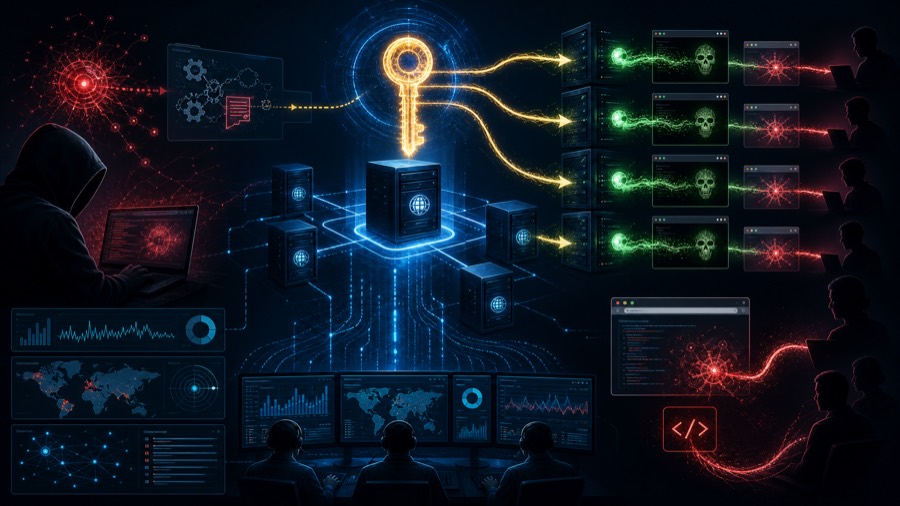
KnowledgeDeliver RCE Shows Shared Machine Keys Are Shared Blast Radius
Mandiant’s KnowledgeDeliver CVE-2026-5426 report shows how shared ASP.NET machine keys can turn ViewState into unauthenticated RCE and user-facing malware delivery.
Laravel-Lang Compromise Shows Dependency Tags Can Be Weaponized
A Laravel-Lang package compromise shows why trusted dependency tags, Composer autoload behavior, and runtime secrets need security monitoring—not just engineering review.

Cl0p’s South Staffs Water Case Shows SOC Coverage Must Be Proven
The South Staffordshire Water breach shows why outsourced SOC coverage, legacy server risk, and vulnerability management must be proven—not assumed—for SMBs, utilities, and government contractors.

ROADtools Abuse Shows Cloud Identity Is the New Attack Surface
Unit 42’s ROADtools research shows why Microsoft Entra ID token abuse, rogue device registration, and Graph API enumeration need to be treated as core incident-response signals for SMBs and government contractors.

Drupal CVE-2026-9082 Shows Web Asset Inventory Is Emergency Response
Drupal CVE-2026-9082 is already being scanned and exploited in the wild. The lesson for SMBs and government contractors: know where your Drupal sites are, verify PostgreSQL exposure, patch fast, and review logs before probing turns into compromise.
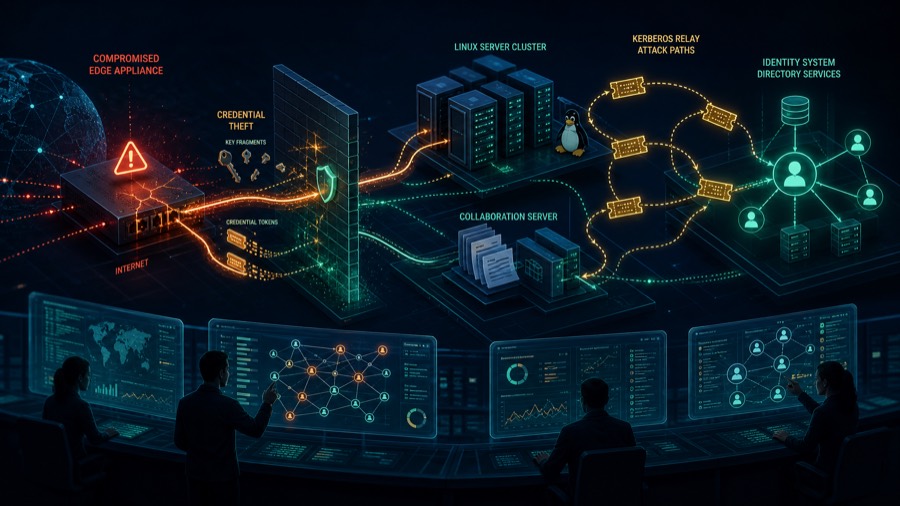
F5-to-Confluence Intrusion Shows Edge Devices Are Identity Attack Paths
Microsoft analyzed an intrusion where an F5 BIG-IP edge appliance led to Linux access, Confluence compromise, credential theft, and identity relay attempts. Here is what SMBs and government contractors should tighten first.
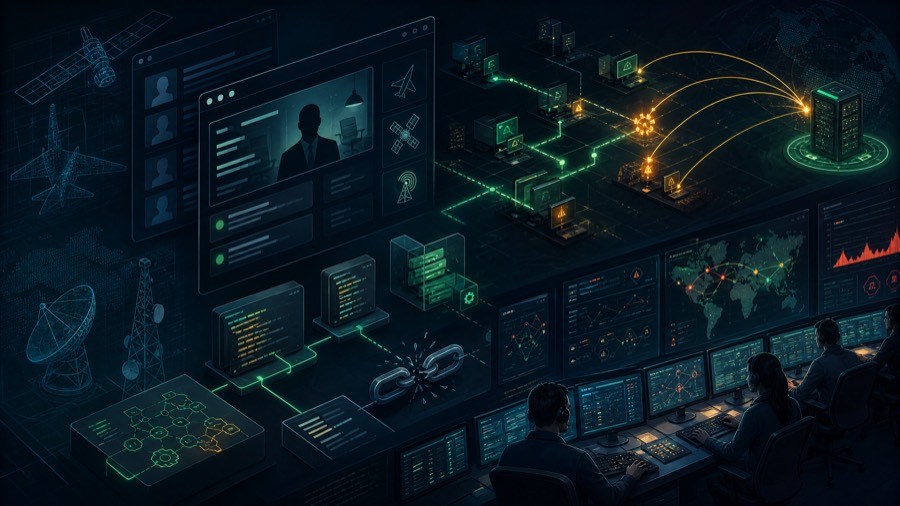
Screening Serpens Shows Recruiting Is Now an Espionage Attack Surface
Iran-nexus Screening Serpens used recruitment and meeting lures, new RAT variants, and .NET AppDomainManager hijacking. Here is what SMBs and government contractors should tighten now.

TamperedChef Shows Signed Productivity Apps Cannot Be Trusted by Default
TamperedChef-style malware hides inside convincing signed productivity apps. Here is what SMBs and government contractors should do about it.

Patriot Bait Shows AI-Enabled Fraud Can Turn Trust Into Attack Surface
Trend Micro’s Patriot Bait research shows how one operator used AI assistance, social trust, WordPress credential attacks, and crypto fraud infrastructure to scale a low-cost cybercrime operation.
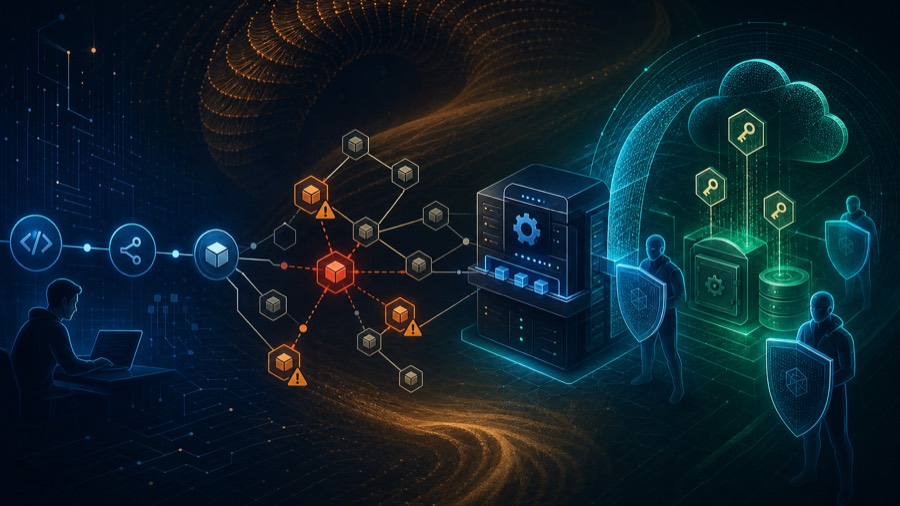
Mini Shai-Hulud Shows CI/CD Secrets Are the Real npm Supply-Chain Prize
Mini Shai-Hulud’s @antv npm compromise shows why dependency malware should be treated as a CI/CD credential-theft threat, not just a package hygiene problem.
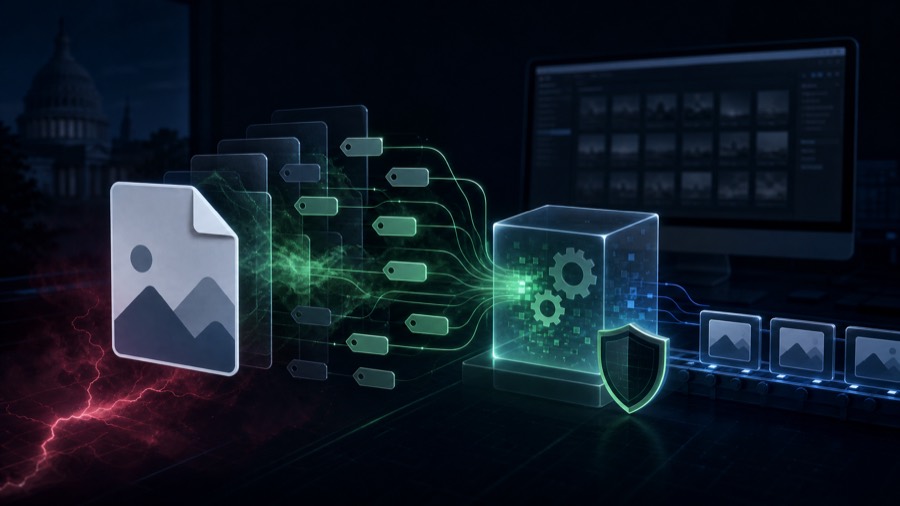
ExifTool CVE-2026-3102 Shows Image Metadata Belongs in the Threat Model
CVE-2026-3102 in ExifTool shows why image metadata processing should be patched, isolated, and monitored like any other untrusted file-ingest path.

Fox Tempest Shows Code Signing Trust Can Be Weaponized
Microsoft disrupted Fox Tempest, a malware-signing-as-a-service operation that helped ransomware crews make malicious binaries look trusted. Here is what SMBs and government contractors should review now.
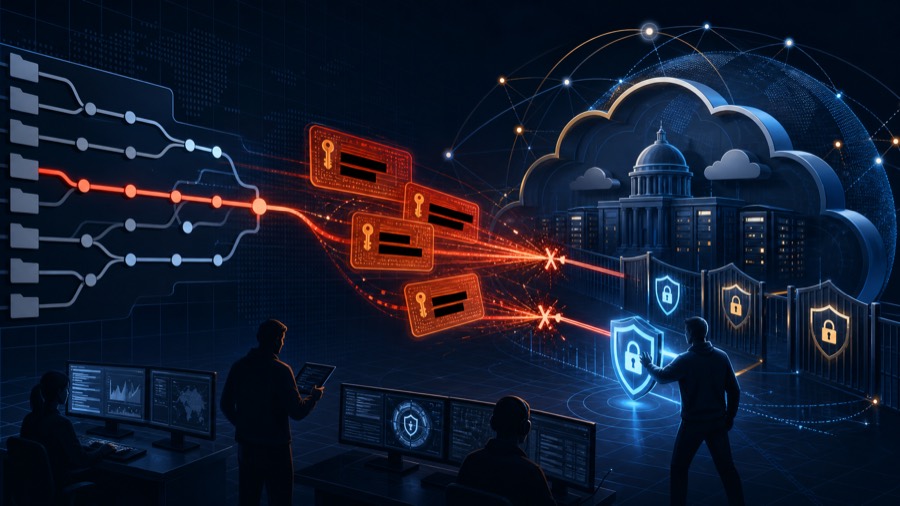
CISA GovCloud Leak Shows Secret Scanning Cannot Be Optional
A reported CISA contractor GitHub leak shows why secret scanning, token rotation, and CI/CD hardening need to be enforced controls, not optional developer hygiene.

Storm-2949 Shows Cloud Breaches Start With Identity, Not Malware
Microsoft’s Storm-2949 case study is a clean warning for SMBs and government contractors: once cloud identity and control-plane access are compromised, attackers can steal data without deploying traditional malware.

AI Agent Governance Is Becoming a Security Control, Not a Nice-to-Have
AI agents now operate with real credentials inside business systems. Here is how SMBs and government contractors should govern identity, authority, action, and evidence before agentic workflows become unmanaged risk.

Grafana GitHub Token Breach Shows Why Source Code Access Needs Guardrails
Grafana disclosed unauthorized GitHub access tied to a leaked token and codebase download. Here is what SMBs and government contractors should tighten around source-code access, CI/CD tokens, and extortion readiness.

Exchange OWA Zero-Day Shows Why Email Servers Need Emergency Mitigation
CISA added Microsoft Exchange Server CVE-2026-42897 to KEV after evidence of active exploitation. For SMBs and government contractors, the lesson is simple: internet-facing email infrastructure needs emergency mitigation playbooks before the patch lands.
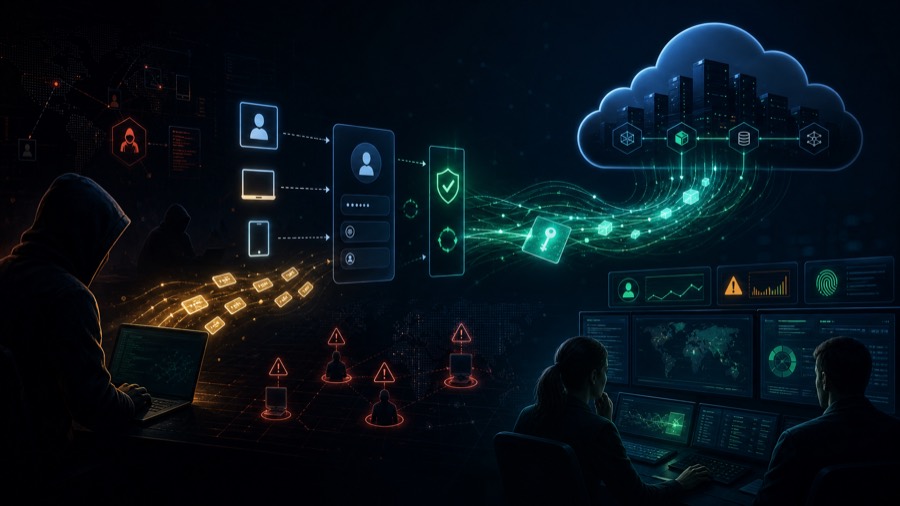
Device Code Phishing Turns Legitimate Login Flows Into Token Theft
Device code phishing is scaling because it abuses legitimate OAuth flows instead of simply stealing passwords. Here is what SMBs and government contractors should review now.
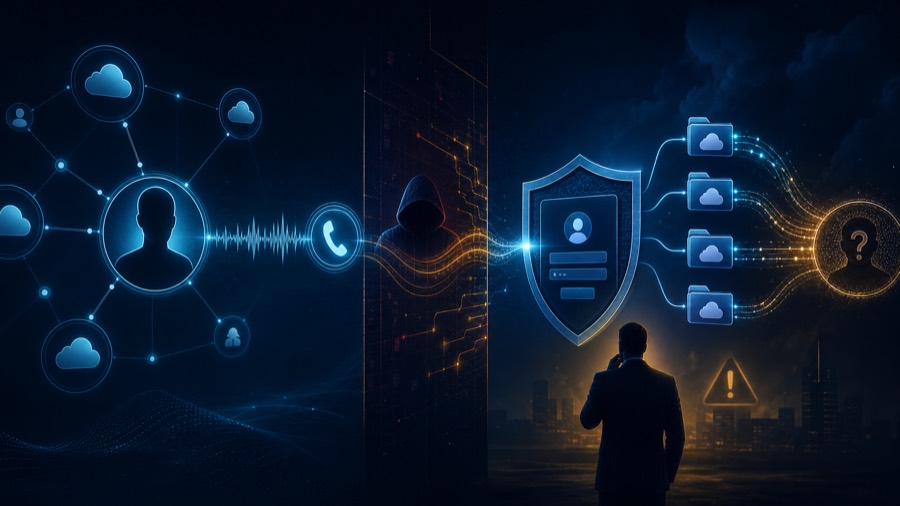
BlackFile Vishing Campaign Shows Why MFA Alone Is Not Enough
GTIG reports UNC6671 / BlackFile is using vishing, AiTM phishing, and SaaS data theft to extort organizations. Here is what SMBs and government contractors should harden now.