


Showing 25–48 of 180 reports

NeedyMantis Shows Why Post-Compromise Malware Needs Full Intrusion Review
Microsoft’s NeedyMantis analysis shows why targeted malware found after initial access should trigger full intrusion review, not a simple cleanup ticket.

Python MaaS Infostealer Builder Shows Why Credential Theft Needs Behavior Controls
K7 Labs’ Python MaaS infostealer-builder research shows why defenders need behavior controls for credential theft, webhook exfiltration, persistence, and session compromise.

MacSync Shows Why macOS Stealers Need Full Endpoint Response
Kaspersky’s MacSync research shows why SMB and government-contractor defenders should treat macOS infostealers as full intrusion risk, not simple nuisance malware.

Lunex Stealer Shows BYOVD Is Moving Into Credential Theft
Lunex/Psychedelic Stealer uses BYOVD tradecraft to blind endpoint security before stealing browser credentials, cookies, and wallet data. Here is what SMB and government-contractor defenders should prioritize.

Storm-2570 Shows Why Ransomware Defense Should Track Tradecraft, Not Payloads
Microsoft’s Storm-2570 reporting shows why defenders should track ransomware affiliate behavior: RMM abuse, tunnels, credential theft, lateral movement, security tampering, and cloud exfiltration before encryption.

UTA0565 Shows Why Browser Zero-Days Need Endpoint Correlation
Volexity reporting on UTA0565 shows how fake websites, Chrome zero-days, Windows privilege escalation, and CLEANGULP malware turn normal browsing into endpoint compromise. Here are practical controls for SMBs and government contractors.

Malicious Terraform Providers Show Why IaC Needs Supply-Chain Controls
Aikido found Graphalgo-linked Go malware in Terraform providers and Go modules. The defensive lesson is that infrastructure-as-code dependencies need the same scrutiny as application packages, because they often execute near production credentials.

RemControl Shows Why Mobile Banking Fraud Needs App-Control Guardrails
Group-IB reported RemControl, a new Android banking trojan that combines fake app pages, Accessibility Service abuse, banking overlays, remote control, and AI-assisted criminal infrastructure. The defensive lesson: mobile devices that approve access or payments need app-control guardrails and incident playbooks.

CLOSEDQUORUM Shows Why AI C2 Needs Behavior-Based Detection
Cisco Talos documented CLOSEDQUORUM, an AI-assisted implant that uses multiple LLM providers to choose its next action. The defensive answer is correlation, not simple domain blocking.

PAYLOAD Ransomware Shows Why Group Policy Is a Tier-0 Attack Surface
Kaspersky reported a PAYLOAD ransomware incident where attackers abused Active Directory Group Policy to disrupt domain-joined Windows systems without deploying a Windows encryptor. The lesson for SMBs and government contractors: Group Policy needs Tier-0 monitoring, change control, and recovery planning.

Fake GitHub Repos Show Why Software Downloads Need Trust Verification
A Rapuncel infostealer campaign abused fake GitHub software repositories, oversized archives, DLL sideloading, and a signed kernel driver to suppress defenses and steal credentials.

WaterPlum Shows Why Developer Hiring Needs Malware-Resistant Guardrails
North Korea-linked WaterPlum/Contagious Interview shows why developer hiring, coding tests, contractor onboarding, and workstation isolation need to be treated as one security workflow.

Cyclops Blink on Cisco FMC Shows Why Edge Appliances Need Compromise Review
Sophos CTU and Cisco Talos reporting on Cyclops Blink activity against Cisco Secure FMC shows why edge security appliances need compromise review, not just emergency patching.

SloppyRAT Shows Why Ransomware Defense Has to Watch the Whole Infection Funnel
Zscaler ThreatLabz analysis of SloppyRAT shows why defenders need to detect the full ransomware precursor funnel, not just the final payload.

THost9 Shows Why Exposed Android Debug Interfaces Need Compromise Review
Dark Atlas research on THost9 shows how exposed ADB and Redroid debug services can become a malware propagation path. Here is what SMB and government-contractor defenders should review now.

OfferLoader Shows Why Commodity Malware Needs Funnel-Aware Defense
Unit 42 exposed a pay-per-install operation using YouTube gaming lures and SEO poisoning. The lesson: suspicious installers need full compromise review, not quick cleanup.

Fileless PHP Rootkit Shows Why BIG-IP Incidents Need Process-Level Hunting
SophosLabs analysis of a BIG-IP APM-linked PHP web server rootkit shows why defenders need post-patch compromise review, process-level hunting, and edge appliance rebuild discipline.

Teams Helpdesk Impersonation Shows Why Remote Support Needs Guardrails
Microsoft’s Teams helpdesk impersonation case shows why remote support sessions need verification, tool control, user-writable execution limits, and WinRM monitoring.

Toy Ghouls Shows Why Custom C2 Needs Protocol-Aware Monitoring
Kaspersky reports that Toy Ghouls has added custom Windows backdoors using HiveMQ MQTT and Matrix/Element-style command channels. For SMBs and government contractors, the lesson is not just malware blocking — it is protocol-aware egress control, service persistence review, and post-compromise valida

Ted Backdoor Shows Why Edge Load Balancers Need Compromise Review
Rapid7’s DPRK-attributed ted backdoor and curlRAT research shows why HAProxy, SSH, cron, and other Linux edge services need integrity checks, centralized logs, and post-compromise review.

Fake Claude Opus 5 App Shows Why AI Tooling Needs Software Control
A fake Claude Opus 5 GitHub desktop app delivering RevStealer shows why AI experimentation needs approved software paths, endpoint controls, and credential-theft triage.
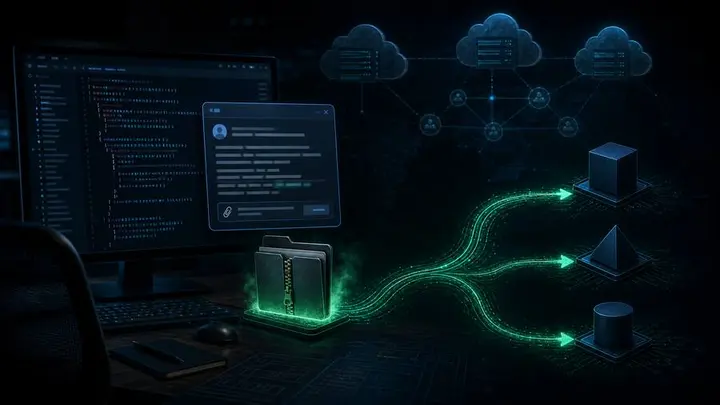
NodeRabbit and PollCat Show Why Developer Workstations Need Recruiting-Lure Controls
Mirage Kitten’s NodeRabbit and PollCat malware campaigns show why fake recruiter coding tests are a practical workstation, credential, and supply-chain risk for SMBs and government contractors.

JSCeal Shows Why Compiled Script Malware Needs Bytecode-Aware Defense
Check Point’s JSCeal research shows how compiled V8 bytecode can hide credential theft, browser theft, and local traffic interception from normal JavaScript inspection workflows.
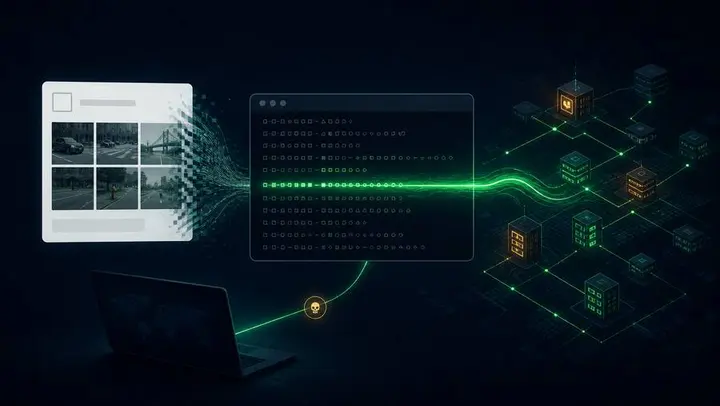
TerminalFix Shows Why Fake CAPTCHA Lures Are Network Access Problems
Microsoft’s TerminalFix campaign turns fake CAPTCHA social engineering into DLL sideloading, persistence, Active Directory reconnaissance, and reverse-tunnel access. The lesson for SMBs and government contractors: compromised workstations can become internal proxy nodes.